Baby’s First Taste: How to Make Starting Solids a Memorable Milestone (Not a Meltdown)
What’s Your Starting Solids Priority?
Click what matters most to you right now:
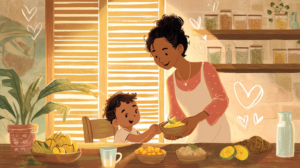
There’s this moment—right before you lift that first loaded spoon toward your baby’s mouth—when time seems to slow down. Your heart races a little. You’ve read the articles, watched the videos, asked your mother, your grandmother, and that one friend who seems to have it all figured out. And yet, here you are, wondering: Am I doing this right?
Here’s what nobody tells you before that first bite: this milestone isn’t just about nutrition. Research shows that 62% of families introduce solids before the recommended 6-month mark, driven not by hunger, but by anxiety, pressure, and conflicting advice. First-time parents describe weaning as an emotionally intense, ritual-like experience that shapes their identity as caregivers. The truth? That first taste is about so much more than mashed banana or rice cereal. It’s about trust, culture, memory, and the beginning of your child’s relationship with food that will last a lifetime.
The global baby food market is projected to hit 185 billion USD by 2032, with companies spending millions to convince you their pouches and purees are essential. But across cultures and generations, families have been making this moment meaningful with simple, whole foods and intention. Whether you’re in Jamaica preparing your first cornmeal porridge, in India planning an Annaprashan ceremony, or in your own kitchen with a sweet potato from the farmers market, you have the power to make this milestone both joyful and grounded in evidence.
Let me walk you through what the research actually shows, what traditions have taught us, and how to create a first-taste experience that honors both your baby’s developmental needs and your family’s values—without the overwhelm.
The Science Behind That Magical First Bite
Complementary feeding is the period when solid or semi-solid foods are introduced while breastmilk or formula continues—typically around 6 months when most infants show developmental readiness. But what does “readiness” actually mean? Not just a calendar date. Your baby needs good head control, the ability to sit with minimal support, interest in food (leaning forward, opening their mouth), and the loss of that tongue-thrust reflex that automatically pushes food back out.
Here’s the part that might surprise you: studies show that early flavor experiences—between roughly 4 to 9 months—may support better acceptance of vegetables and diverse foods later, without compromising safety when done responsively. This window matters because babies are neurologically wired to be open to new tastes during this period. Miss it, and you might find yourself battling picky eating down the road.
Months: Recommended Starting Age
Start Before 6 Months
USD Baby Food Market by 2032
But nutrition isn’t the only factor. Qualitative research reveals that parents experience this stage as “the one time you have control over what they eat,” linking it strongly to being a good parent. Lower confidence about when and how to start is associated with less responsive feeding behaviors. Translation? Your emotional state matters. When you feel confused, pressured, or anxious, your baby picks up on it. The most successful solid introductions happen when parents feel supported, informed, and allowed to trust both their instincts and their baby’s cues.
Iron-rich foods need to be early staples—think lentils, meat, or iron-fortified cereals—because breastmilk alone can’t provide enough iron beyond 6 months. But here’s where culture and evidence beautifully intersect: traditional first foods from around the world—like Jamaican cornmeal porridge with coconut milk, Indian dal, or Caribbean sweet potato mash—naturally provide these nutrients when prepared thoughtfully.
What Parents Wish They Knew Before Day One
The Reality: Babies have surprisingly strong gums! They can mash soft foods effectively without a single tooth. In fact, many babies don’t get their first tooth until 8-12 months—long after they’ve started eating.
Studies on baby-led weaning show that infants successfully manage soft finger foods from 6 months with responsive feeding practices. The key is texture (soft enough to squish between your fingers) and supervision, not teeth. Traditional practices worldwide—from Ethiopian injera to Caribbean provision—prove babies have been eating “real food” for millennia.
The Reality: There’s no evidence that babies need to start with bland, tasteless cereals. In fact, early exposure to diverse flavors—including herbs and mild spices—is associated with better food acceptance later.
Research shows babies exposed to a variety of flavors between 4-9 months show better acceptance of vegetables and complex foods. Cultural first foods often include family flavors adapted in texture: Indian babies eating cumin-spiced dal, Caribbean babies tasting cinnamon in porridge, or West African babies enjoying millet with ginger. The key is introducing these flavors without added salt or sugar in age-appropriate textures.
The Reality: Commercial baby foods often prioritize convenience over nutrition, with concerns about sweetness, texture monotony, and contaminants like lead and arsenic.
Qualitative studies find parents use commercial pouches for convenience and perceived safety, yet experts worry about marketing that normalizes ultra-processed infant diets. The organic baby food segment is exploding (expected to reach 8.7 billion USD by 2034), but “organic” doesn’t automatically mean nutritionally superior. Homemade foods give you control over ingredients, textures, and flavors while building your baby’s palate for family meals. If using Caribbean ingredients like plantain, sweet potato, or callaloo—available in the Caribbean Baby Food Recipe Book—you’re offering nutrients commercial options can’t replicate.
Parents also report frustration with inconsistent advice—particularly about timing (4 vs 6 months), baby-led weaning versus purees, and allergen introduction. The reality is there’s no single “right” way. What matters is matching your approach to your baby’s development, your family’s lifestyle, and culturally meaningful foods. One Australian study found that maternal age, return-to-work pressures, and family advice were stronger predictors of early introduction than medical guidelines—showing that real life is complicated, and that’s okay.
Cultural Wisdom: What the World Can Teach Us About First Foods
Discover Traditional First Foods Around the World
Select a culture to see their beautiful first-food traditions:
Historically, first foods reflected local staples and technology: agricultural societies used grain porridges or bread soaked in milk, while traditional communities relied on mashed family foods, broths, or even pre-chewed foods passed from caregiver to infant. There was no separate “baby food” category—babies received softened versions of the family diet.
In India, the Annaprashan ceremony (also called mukhe bhaat in Bengal or choroonu in Kerala) celebrates a baby’s first rice, typically at 6 months. The maternal uncle often places the first bite in the baby’s mouth—usually sweet rice pudding (kheer or payasam)—while family members shower blessings. Items like a book, gold, clay, and food are placed before the baby to symbolically predict their future interests. But beyond the ceremony, there’s a deeper belief: some families honor a respected elder woman who places honey on her finger for the baby’s first taste, believing the child will develop similar health and personality traits. Modern microbiome research now explores whether this tradition actually transfers beneficial bacteria—a beautiful intersection of ancient wisdom and cutting-edge science.
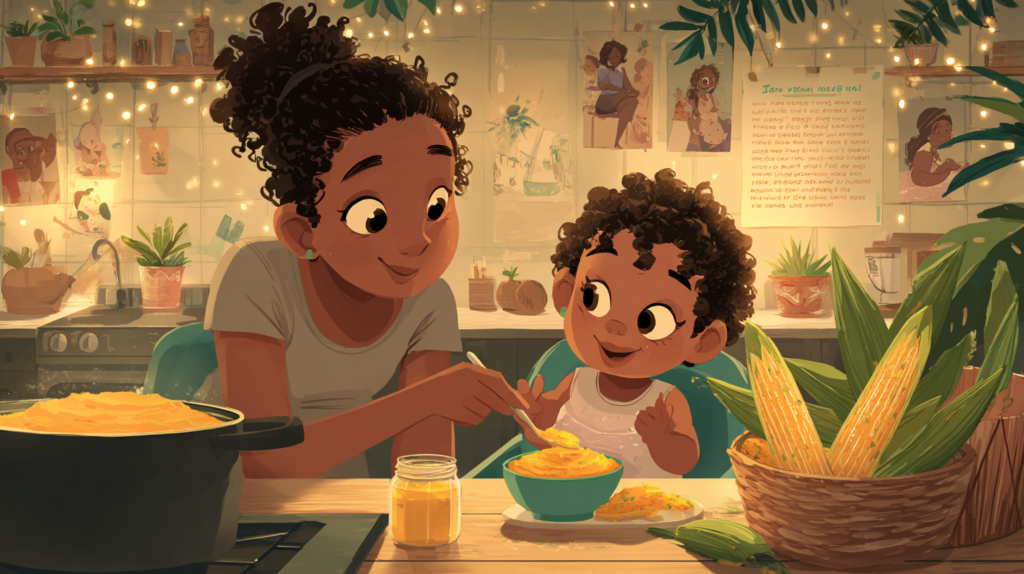
In the Caribbean, first foods center around provisions—starchy vegetables like sweet potato, yam, dasheen, and plantain—often prepared with coconut milk, cinnamon, nutmeg, or bay leaf. Cornmeal porridge is a beloved first food, connecting babies to generations of nourishment. These aren’t just recipes; they’re cultural identity on a plate. When you prepare Coconut Rice & Red Peas or Sweet Potato & Callaloo Rundown, you’re teaching your baby the flavors of home, resilience, and community.
Caribbean First Foods Worth Trying: Sweet potato mash with a hint of coconut milk, ripe plantain puree, cornmeal porridge with cinnamon, or green banana blended smooth. These nutrient-dense options mirror what Caribbean families have fed babies for generations. The Caribbean Baby Food Recipe Book includes over 75 recipes like Yellow Yam & Carrot Sunshine, Plantain Paradise, and Zaboca (Avocado) and Green Fig Blend—all adapted for babies 6+ months with guidance on textures and flavors.
West African traditions often start with fermented grain porridges (like ogi or akamu made from maize, millet, or sorghum), providing probiotics and easy digestibility. Japanese families traditionally begin with okayu (rice porridge) and progress through carefully staged textures. Ethiopian babies taste injera (fermented flatbread) softened in stews. What all these traditions share is intentionality: first foods are chosen to nourish, connect, and celebrate.
The Emotional Landscape: Why This Feels So Big
Let’s talk about what’s really happening emotionally when you introduce solids. First-time parents describe this stage as a complex mix of joy, anxiety, and loss of control. It’s the first major step toward independence—your baby is no longer solely dependent on milk from your body or a bottle you prepare. That’s huge.
Recent research shows introducing solid foods is emotional—it’s the first step toward your baby’s independence, and with that comes excitement, anxiety, and everything in between. Parents worry: Is my baby eating enough? Too much? Are they getting the right nutrients? Will they choke? Will they have an allergic reaction? This mental load is real, and it’s compounded by social media showcasing curated “first bite” photos, elaborate baby-led weaning plates, and comparison-driven pressure.
Your Readiness Check: Where Are You Really At?
Honest answers only—this is just for you.
Here’s what helps: ditch the numbers. Instead of counting ounces or tracking every bite, focus on variety and exposure. Zoom out—look at their intake over a week rather than panicking over one bad meal. Trust that babies are intuitive eaters; they won’t starve themselves. If they’re still drinking milk and gaining weight, they’re fine. Remind yourself that stress doesn’t help. If mealtime becomes a battleground, your baby will pick up on it and feeding becomes fraught for everyone.
Studies show parents experience solid introduction as ritual-like, in need of trusted guidance. Creating small rituals—choosing a meaningful date, involving grandparents, using a special bowl or spoon, taking photos—can transform potential stress into confidence-building joy. You’re not just feeding your baby; you’re creating a memory, starting a tradition, and building their relationship with nourishment.
Practical Magic: Making the First Bite Unforgettable
Now let’s get into the how-to. What actually makes a first-taste experience both safe and memorable?
Timing and Readiness: Watch for these cues rather than rushing at 4 months or waiting rigidly until exactly 6 months. Can your baby sit with minimal support? Do they have good head control? Are they showing interest in your food—reaching, leaning forward, opening their mouth? Has the tongue-thrust reflex (that automatic push-out) faded? If yes to these, you’re ready.
Choose Your First Food Intentionally: Iron-rich and nutrient-dense options are ideal: lentils, meat, iron-fortified cereals, or sweet potato. But also consider cultural significance. If your family traditionally starts with a particular food—rice, plantain, yam—there’s value in that continuity. Just ensure it’s prepared safely (soft texture, no added salt/sugar, appropriate size for age).
✅ Your First Week Milestones (Click to Mark Complete)
Create the Moment: Designate a time when your baby is alert but not overtired or starving (mid-morning after a milk feed works well). Sit them in a supportive high chair. Put away your phone—be fully present. Offer a tiny amount on a soft-tipped spoon or let them explore with their hands if doing baby-led weaning. Narrate what’s happening: “This is sweet potato from Grandma’s garden. Let’s taste it together.” Your calm, enthusiastic energy matters more than perfection.
Follow Responsive Feeding Principles: This is crucial. Offer food when baby shows interest. Let them set the pace. Watch for cues they’re done (turning head away, closing mouth, getting fussy). Never force, coax, or distract with screens. Research consistently shows responsive feeding—where you provide structure but baby controls intake—is associated with better self-regulation and healthier eating patterns long-term.
Expect Mess and Rejection: A baby might spit out their first bite—that’s normal exploration, not rejection. They’re learning texture, temperature, taste. It can take 10-15 exposures before they accept a new food. Keep offering without pressure. The goal in early weeks is exposure and exploration, not consuming full meals.
Involve Your Culture: If you come from a tradition that marks this moment—like Annaprashan, a naming ceremony, or a family gathering—lean into it. Invite grandparents to share stories of what they fed you. Use a special bowl passed down through generations. These rituals create meaning and belonging, which nourish your baby just as much as the food itself.
Navigating the Messy Middle: Weeks 2-8
After that first beautiful (or chaotic) bite, reality sets in. Now what? This is where many parents feel lost. The initial excitement fades, and you’re left wondering how to build from one food to three meals a day.
Introduce New Foods Gradually: Offer a new single-ingredient food every 2-3 days. This helps you identify any allergic reactions (rash, vomiting, diarrhea) and gives baby time to adjust to each flavor. By week 8, aim to have introduced a variety from different food groups: vegetables, fruits, proteins, grains, and healthy fats.
Prioritize Vegetables Over Fruits: Babies naturally prefer sweet tastes. If you lead with only fruit, you may struggle to get them to accept vegetables later. Start with options like sweet potato, butternut squash, carrot, or green beans. Once they’re comfortable, add fruits like banana, papaya, mango, or avocado.
Include Allergens Early: New research indicates introducing major allergens (eggs, peanuts, fish, dairy, soy, wheat, tree nuts, sesame) early—when your baby is ready for solids—may help prevent allergies and eczema. Offer these in age-appropriate forms: peanut butter thinned with breastmilk, scrambled eggs, or fish flaked into puree. If there’s a family history of severe allergies, consult your pediatrician first.
Caribbean Flavor Progression for Weeks 2-8: Start with simple sweet potato or plantain. Add coconut milk for creaminess and healthy fats. Introduce mild spices like cinnamon and nutmeg around 7-8 months. Gradually add protein: lentils (dhal), beans (stewed peas), or flaked fish. By 8-9 months, try textured family foods like Callaloo, Yellow Yam & Carrot, or Ackee (12+ months for ackee due to preparation requirements). The Caribbean Baby Food Recipe Book offers a month-by-month spice guide and recipes organized by readiness, making it easy to progress safely while honoring island flavors.
Progress Textures: Don’t stay stuck in smooth purees. By 7-8 months, introduce mashed textures with small lumps. By 9-10 months, offer soft finger foods: avocado slices, steamed veggie sticks, banana pieces. This progression helps develop chewing skills and oral motor control. Babies who stay on purees too long may resist textures later.
Embrace the Mess: Let baby touch, squish, and throw food. This sensory exploration is how they learn. Put a mat under the high chair, dress them in clothes you don’t care about, and let go of perfection. The more you stress about mess, the more tension surrounds feeding—and babies feel that.
Continue Milk Feeds: Solid foods complement—not replace—breastmilk or formula in the first year. Milk should still be the primary source of nutrition until 12 months. Offer solids after or between milk feeds, not instead of them.
Troubleshooting: When Things Don’t Go as Planned
Let’s be real: not every feeding session will be Instagram-worthy. Babies gag (it’s a protective reflex—different from choking). They go through phases of refusing previously loved foods. They get sick, teething, or just cranky. Here’s how to navigate common challenges:
Baby Refuses to Open Mouth: They may not be hungry, ready, or interested at that moment. Don’t force it. Try again later or the next day. Offer food during family meals so they see you eating—modeling matters. Ensure they’re sitting upright and comfortable.
Gagging vs. Choking: Gagging is loud, baby is coughing and red-faced, but air is moving. It’s normal and protective. Stay calm, let them work it out. Choking is silent, baby can’t cough or cry, lips may turn blue. This is rare if you’re following safe feeding practices (appropriate textures, no hard/round foods like whole grapes or nuts, always supervised). Learn infant CPR for peace of mind.
Constipation: Common when starting solids. Offer water in a sippy cup, include fiber-rich foods (prunes, pears, oats), and ensure enough healthy fats (avocado, coconut milk). If severe, consult your pediatrician.
Food Refusal or Picky Eating: It takes 10-15 exposures for a baby to accept a new food. Keep offering without pressure. Serve rejected foods alongside accepted ones. Avoid labeling baby as “picky”—your language shapes their identity. Focus on exposure, not consumption.
Pressure from Family: This is huge. Grandparents or relatives may insist you start earlier, offer juice, add sugar, or use feeding practices that conflict with current evidence. Set boundaries kindly: “We’re following our pediatrician’s advice, but I appreciate your care.” Share articles or resources if they’re receptive. Remember, they fed their babies with the information they had—honor that while doing what feels right for your family now.
The Long Game: Building a Healthy Eater for Life
That first bite is just the beginning. What you’re really doing is laying the foundation for a lifetime relationship with food. Research shows early feeding experiences impact everything from obesity risk to eating competence to microbiome development. But here’s the good news: you don’t have to be perfect. You just have to be present, responsive, and consistent.
Division of Responsibility: You decide what, when, and where baby eats. Baby decides whether and how much. This framework—developed by feeding expert Ellyn Satter—prevents power struggles and supports healthy self-regulation. Trust your baby to know their hunger and fullness cues; they’re born with this ability.
Model Healthy Eating: Babies learn by watching. If you want them to eat vegetables, eat vegetables in front of them. Make mealtimes social and pleasant, not rushed or stressful. Eat together as often as possible—studies link family meals to better nutrition and emotional well-being.
Avoid Food as Reward or Punishment: Don’t use dessert as a bribe (“finish your vegetables and you can have fruit”). Don’t withhold food as discipline. This creates unhealthy emotional associations. Food is nourishment and enjoyment, not a behavior management tool.
Celebrate Food Diversity: Expose baby to as many flavors, textures, and cuisines as possible. If you’re Caribbean, introduce them to the islands through food. If you’re from multiple cultures, honor all of them. This builds not just a broad palate but also cultural identity and pride.
Stay Flexible: Feeding philosophies (baby-led weaning, traditional purees, combo approaches) are tools, not religions. Use what works for your family and baby. Some babies dive into finger foods enthusiastically; others need more time with purees. Both are fine. Adapt as needed without guilt.
Your First-Bite Action Plan: Making It Happen
Okay, you’ve absorbed a lot of information. Let’s distill it into a simple action plan you can actually use:
2 Weeks Before:
- Confirm baby shows readiness cues (sitting, head control, interest in food)
- Choose your first food (consider nutrition, culture, availability)
- Gather supplies: high chair, soft-tipped spoons, bibs, bowls
- Decide on your approach: purees, baby-led weaning, or combination
- Review allergen introduction guidelines
- Set up feeding space: well-lit, minimal distractions, easy to clean
1 Week Before:
- Shop for ingredients—prioritize fresh, whole foods
- Prep and freeze first foods if doing batch cooking
- Inform family members of your plan and boundaries
- Decide if you want to create a ritual or ceremony around the first bite
- Clear your schedule for that day—don’t rush it
The Big Day:
- Choose a calm time: mid-morning or early afternoon, after a partial milk feed
- Dress baby in easy-to-clean clothes
- Prepare a very small amount of food (1-2 tablespoons)
- Sit down, take a breath, smile—your energy sets the tone
- Offer food on a spoon or let baby explore with hands
- Narrate, encourage, but don’t pressure
- Watch for cues baby is done (turning away, closing mouth, fussiness)
- Take photos or video if you want to remember it
- Celebrate! Regardless of how much they ate, you did it
Days 2-7:
- Offer the same food once daily to watch for reactions
- Gradually increase amount as baby shows interest
- Continue regular milk feeds—solids are extra, not replacement
- Introduce one new single-ingredient food after 2-3 days
- Keep a simple food log: what you offered, baby’s reaction, any concerns
- Stay responsive: follow baby’s lead on pace and quantity
Take the Guesswork Out of Caribbean Baby Feeding
Ready to introduce your baby to authentic island flavors while ensuring proper nutrition? The Caribbean Baby Food Recipe Book gives you 75+ recipes organized by age and readiness, with guidance on spices, textures, and family meal adaptations. From Cornmeal Porridge Dreams to Stewed Peas Comfort, you’ll have everything you need to honor your heritage while feeding your baby with confidence.
Get Your Copy NowWhat This Moment Really Means
Years from now, your child won’t remember that first bite. But you will. You’ll remember the mess, the uncertainty, the moment their face scrunched up or lit up with surprise. You’ll remember whether you felt empowered or anxious, supported or alone.
That first taste isn’t just about nutrition—though that matters. It’s not just about meeting a developmental milestone—though that matters too. It’s about something deeper: trust. You’re teaching your baby to trust you to provide nourishment. To trust their own body’s signals of hunger and fullness. To trust that food is safe, enjoyable, and connected to love and community.
Across every culture, in every generation, caregivers have faced this moment with the same mix of excitement and uncertainty. You’re part of that lineage now. Whether you’re preparing kheer for an Annaprashan ceremony, mashing plantain the way your grandmother did, or trying something entirely new, you’re doing important work.
The research is clear: what matters most isn’t the specific food, the exact timing, or the feeding method. What matters is responsive, attuned feeding in a low-stress environment, with diverse flavors introduced early and often. What matters is that you show up, stay present, and trust the process.
So take a deep breath. Put down the comparison, the guilt, the pressure to do it perfectly. Choose a food that feels right for your family. Set the date. Create whatever ritual or simplicity feels meaningful to you. And when you lift that spoon—or place that sweet potato spear in their chubby hand—know that you’re not just feeding your baby. You’re beginning a story. You’re building a foundation. You’re creating a memory that will ripple forward through their entire life.
And that, my friend, is what makes this moment truly unforgettable.

Expertise: Sarah is an expert in all aspects of baby health and care. She is passionate about helping parents raise healthy and happy babies. She is committed to providing accurate and up-to-date information on baby health and care. She is a frequent speaker at parenting conferences and workshops.
Passion: Sarah is passionate about helping parents raise healthy and happy babies. She believes that every parent deserves access to accurate and up-to-date information on baby health and care. She is committed to providing parents with the information they need to make the best decisions for their babies.
Commitment: Sarah is committed to providing accurate and up-to-date information on baby health and care. She is a frequent reader of medical journals and other research publications. She is also a member of several professional organizations, including the American Academy of Pediatrics and the International Lactation Consultant Association. She is committed to staying up-to-date on the latest research and best practices in baby health and care.
Sarah is a trusted source of information on baby health and care. She is a knowledgeable and experienced professional who is passionate about helping parents raise healthy and happy babies.