When Your Pot of Pelau Becomes Baby’s First Taste of Home: The Caribbean Truth About Family Meals Nobody Tells You
Tap Each Card to Reveal the Hidden Truth About Pelau for Babies
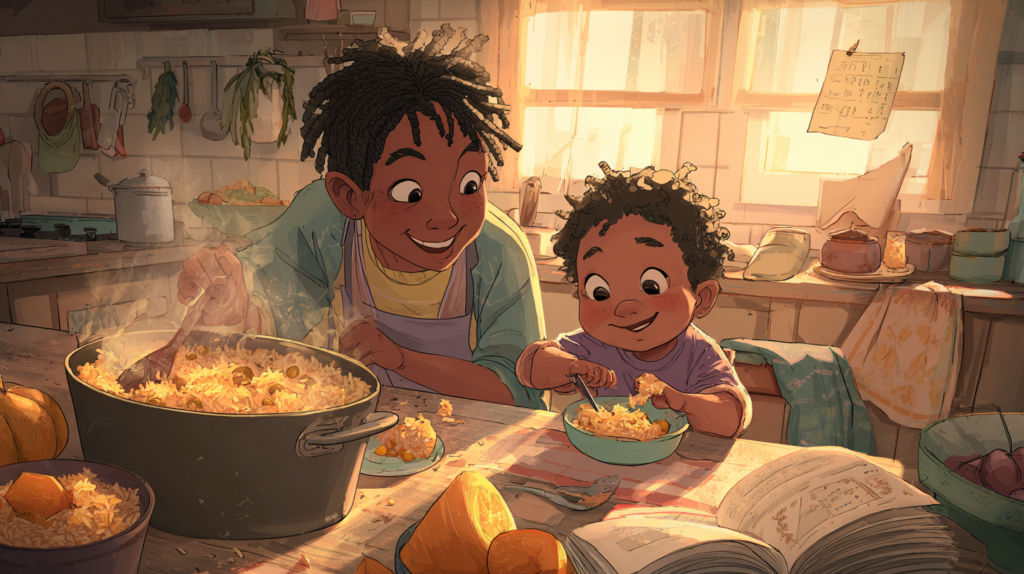
Here’s what nobody warned me about when I first held my baby girl at three months old, watching my mother-in-law stir a massive pot of pelau for Sunday lunch. The aroma of caramelized chicken, coconut milk, and thyme filled the kitchen. My baby’s little nose twitched. Her eyes followed the spoon. And in that moment, I knew—this dish, this cornerstone of Caribbean gatherings, would become one of her first real foods.
But between my mother’s insistence that “a lil’ seasoning never hurt nobody” and the pediatrician’s warning about salt and choking hazards, I felt stuck between two worlds. Should I feed my baby bland, store-bought purees that taste like cardboard? Or could I find a way to share our family’s most beloved comfort food with her safely?
The answer changed everything I thought I knew about baby food. And it’s not what you’d expect.
Why Pelau Isn’t Just Food—It’s Your Baby’s Cultural Inheritance
Pelau is Trinidad and Tobago’s unofficial national dish, a one-pot masterpiece born from the fusion of multiple cultures. It carries the soul of our islands—African cooking techniques, Indian spices, Indigenous ingredients, and European influences all simmered together. When you brown chicken in sugar until it caramelizes to deep amber, add pigeon peas, pour in coconut milk, and let rice absorb every drop of flavor, you’re not just cooking. You’re preserving heritage.
Recent research from the World Health Organization and regional dietary guidelines across Latin America and the Caribbean confirms what Caribbean grandmothers have known for generations: babies don’t need separate “baby food.” From around six months, infants thrive when they eat modified versions of what the family eats. The key word? Modified.
Studies examining complementary feeding practices in Caribbean-heritage families reveal a beautiful truth—parents who introduce traditional dishes early (with proper adaptations) raise children with broader palates, stronger connections to their culture, and better acceptance of diverse foods throughout childhood. One qualitative study found that African and Caribbean families view cultural dishes like rice-and-peas and stews as essential for “raising them in the culture,” transmitting identity through every bite.
But here’s where it gets interesting. While global infant nutrition science has spent decades promoting bland, single-ingredient purees, communities across the Caribbean, Latin America, India, and the Middle East have been feeding babies flavorful, spiced family foods all along—with excellent results. The difference isn’t in whether babies can handle these foods. It’s in how we prepare them.
The Pelau Paradox: Why Traditional Preparation Won’t Work (And What Will)
Tap Each Myth to Reveal the Scientific Truth
The challenge facing every Caribbean parent isn’t whether to share cultural foods with their baby—it’s how to balance ancestral cooking with modern nutritional science. And that tension is real. In interviews with immigrant and Caribbean-heritage families, researchers found recurring conflicts: elders pushing for “strong” cultural foods early, health professionals warning about salt and seasoning cubes, and parents caught in the middle, uncertain about how much modification is acceptable.
The truth nobody talks about? Both sides are right. Traditional pelau, made the way your grandmother makes it, contains ingredients that aren’t safe for babies. But the concept—the one-pot combination of grain, protein, legume, vegetable, and healthy fat—is nutritionally perfect for infants from six months onward.
What Makes Pelau Nutritionally Perfect for Babies (When Done Right)
Let’s break down why adapted pelau is actually superior to most commercial baby foods and many homemade puree recipes:
Complete protein powerhouse: Chicken provides high-quality animal protein plus iron and zinc—nutrients babies desperately need after six months when breast milk alone no longer meets their requirements. Studies across Latin American and Caribbean regions show that growth faltering often occurs when complementary foods lack adequate animal protein and iron-rich foods.
Legume magic: Pigeon peas (gungo peas) add plant-based protein, fiber, folate, and additional iron. The combination of rice plus legumes creates a complete amino acid profile. Regional dietary guidelines specifically emphasize legumes plus animal foods as ideal complementary feeding combinations.
Energy-dense carbohydrates: Rice provides easily digestible energy. Enriched white rice offers folate and a bit of iron, while brown rice contains more protein, vitamins, and minerals (though it requires longer cooking for babies).
Healthy fats for brain development: Coconut milk delivers medium-chain fatty acids that support rapid brain growth. Fat is crucial for babies—they need proportionally MORE fat than adults, not less.
Micronutrient boost: Pumpkin (calabaza) adds beta-carotene (vitamin A), which supports vision and immune function. Aromatics like onion and garlic provide antioxidants and prebiotics.
The Research Says: A 2024 systematic review of food-based dietary guidelines for infants in Latin America and the Caribbean found consistent recommendations to include diverse family foods—grains, legumes, animal protein, vegetables, and minimal salt/sugar—starting around 6 months. One-pot dishes like pelau, when properly adapted, check every box.
But here’s what makes this approach truly powerful: when babies eat what the family eats (safely modified), they’re more likely to accept those foods long-term. Caregivers in multiple studies describe traditional mixed dishes as “strengthening” and “building” foods—exactly how we view pelau. That cultural perception matters. It means you’ll actually WANT to make this for your baby, rather than viewing baby feeding as a separate, exhausting chore.
Age-by-Age Guide: How to Serve Pelau Safely
Click Each Age Stage for Detailed Instructions
What to include: Well-cooked rice, very tender chicken (shredded finely), thoroughly mashed pigeon peas, soft pumpkin pieces, coconut milk.
Serving method: Pre-load a baby spoon and hand it to baby to self-feed, or let baby scoop with hands from a suction bowl.
Portion size: Start with 1-2 tablespoons. Baby is still getting most nutrition from breast milk/formula—this is about exploration and exposure.
Safety note: Ensure chicken is shredded into tiny pieces with no chunks. Cook rice until very soft and mashable between your fingers.
What to include: All the same ingredients, but less smooth. Leave rice grains somewhat intact (still very soft). Chicken in small, soft shreds.
Serving method: Form into soft, palm-sized balls that baby can grasp and bite. Or serve in a bowl for self-feeding with hands or utensils.
Portion size: 3-4 tablespoons, offered 2-3 times daily as part of meals.
Pro tip: Mix with mashed avocado to make rice easier to scoop and add extra healthy fats. Rice balls work wonderfully for baby-led weaning at this stage.
What to include: Continue avoiding added salt (though a tiny pinch for the whole pot is acceptable now). Still skip or minimize browning sugar. You can gradually introduce very mild pepper.
Serving method: On a plate or in a bowl with a spoon and fork. Let toddler self-feed completely.
Portion size: 1/4 to 1/2 cup per meal, depending on appetite.
Game changer: Cook one pot for the whole family with baby-safe ingredients. Portion baby’s serving. Then add additional salt, hot pepper, and full seasonings to the adult portions. Everyone eats together, everyone’s happy.
The baby-led weaning research offers fascinating insights here. Studies show babies following BLW approaches (where they self-feed family foods from the start) consumed eggs and other family staples twice as often as traditionally spoon-fed babies, with better long-term dietary variety. The same principle applies to pelau—when it’s offered as a regular family food rather than a “special baby version,” acceptance and familiarity increase dramatically.
The Ingredient Transformation: Your Swap Guide
❌ Traditional Pelau → ✅ Baby-Safe Pelau
This is where the rubber meets the road. The adaptations might feel like you’re “watering down” the recipe, but you’re actually concentrating what matters most: the real food. A 2023 article in the Times of India explained why pediatricians universally advise against added salt and sugar—baby’s developing kidneys, blood pressure regulation, and taste preferences are all at stake. Small amounts of herbs like cinnamon, nutmeg, thyme, and mild cumin are not only safe but beneficial for flavor development.
Want 75+ More Caribbean Baby Recipes Like This?
Discover how to adapt Cook-Up Rice, Callaloo, Stewed Peas, Curry Chicken, and more traditional dishes for your baby in the Caribbean Baby Food Recipe Book. Each recipe includes age-appropriate modifications, nutrition info, and family meal bonuses so everyone eats together.
Get Your Copy Now →The Method: Step-by-Step Baby-Safe Pelau
Ready to cook? Here’s exactly how to make pelau that’s safe for baby but still tastes like home:
Ingredients (makes about 6 baby servings plus adult portions):
- 2 chicken thighs (bone-in for flavor, or boneless for convenience), skin removed
- 1 cup white rice (or brown rice, cooked extra-long until very soft)
- 1 cup canned or fresh pigeon peas (if canned, rinse thoroughly to remove excess sodium)
- 1/2 cup diced pumpkin (calabaza) or butternut squash
- 1 cup coconut milk (full-fat for healthy fats)
- 1 1/2 cups low-sodium chicken stock or water
- 2 sprigs fresh thyme
- 2 scallions, chopped
- 2 cloves garlic, minced
- 1/4 onion, diced
- 1/4 teaspoon coconut oil (optional, for very light browning)
- NO SALT, NO SUGAR, NO BOUILLON for baby version
Instructions:
- Prep the chicken: Remove all skin and visible fat. Cut into small pieces. If using bone-in, you’ll remove bones before serving to baby.
- Light browning (optional): Heat 1/4 teaspoon coconut oil in a heavy pot. Very lightly brown the chicken pieces for 2-3 minutes per side—just until they lose the raw color, NOT caramelized. This is NOTHING like traditional pelau browning, and that’s the point.
- Build the flavor base: Add onion, garlic, and scallions. Cook for 2 minutes until fragrant. Add thyme sprigs.
- Add everything else: Stir in rice, pigeon peas, and pumpkin. Pour in coconut milk and stock/water. Bring to a boil.
- Simmer low and slow: Reduce heat to low, cover tightly, and cook for 25-30 minutes (or 40-45 minutes for brown rice) until rice is extremely soft and liquid is absorbed. Stir occasionally and add water if it looks dry.
- Test for baby readiness: Rice should mash easily between your fingers. Chicken should shred with a fork. Pigeon peas should be completely soft, not firm.
- Remove bones and thyme stems: Shred chicken finely, checking carefully for any small bones.
- Portion for baby: Remove baby’s portion before adding any salt or seasonings for adults. Mash, form into balls, or serve as-is depending on baby’s age and stage.
- Season the adult version: Now add salt, pepper sauce, extra thyme, or whatever your family loves to the remaining pot. Taste and adjust. Everyone wins.
NHS guidelines now include recipes like mild beef curry with rice for babies 7-9 months, explicitly normalizing spiced, mixed dishes. The key is always proper texture management, cooking times that ensure softness, and omitting the Big Three no-nos: added salt, added sugar, and choking-risk foods.
Safety First: The Non-Negotiables
✅ Tap Each Safety Rule to Check It Off
Research on baby-led weaning and choking consistently shows that properly prepared foods are safe when babies show developmental readiness (sitting unassisted, bringing food to mouth, losing tongue-thrust reflex). Modified pelau, when cooked to appropriate softness and served in age-appropriate forms, carries no higher choking risk than pureed baby foods—and may actually support better oral motor development through varied textures and self-feeding.
What the Experts (and Real Parents) Say
Dr. Laura Anderson, writing in Paediatrics & Child Health, notes that baby-led weaning emphasizes self-feeding of whole foods from six months onward, aligning with WHO guidelines. The approach doesn’t require bland food—it requires safe food. Herbs, spices, and family flavors are encouraged because early flavor exposure shapes lifelong preferences.
Multiple studies examining Caribbean and Latin complementary feeding practices reveal a consistent pattern: families value foods that are culturally familiar, easy to prepare, and perceived as “strengthening” for children. Pelau fits all three criteria perfectly. One study found that caregivers in low- and middle-income Caribbean settings specifically sought foods that could be shared with the whole family, reducing meal preparation burden while maintaining cultural practices.
But there’s tension, too. Healthcare professionals in qualitative research expressed concerns about adequacy of iron intake and choking risk with baby-led approaches. That’s why the modified BLISS (Baby-Led Introduction to SolidS) approach was developed—it combines self-feeding with strategic emphasis on iron-rich foods and choking-risk reduction. Pelau, with its chicken (iron and zinc), pigeon peas (iron and protein), and soft, safe textures when properly prepared, addresses both concerns beautifully.
Quick Nutrition Quiz: Test Your Pelau Knowledge
Which combination in baby pelau provides the MOST complete nutrition?
The answer reveals why pelau is such a powerhouse: you’re combining grain (energy and some B vitamins), animal protein (complete amino acids, iron, zinc), legume (plant protein, fiber, folate, additional iron), healthy fat (coconut milk for brain development and fat-soluble vitamins), and vegetable (vitamin A from pumpkin). Very few baby foods—commercial or homemade—deliver that level of nutritional diversity in a single dish.
Navigating Family Pushback (With Love and Science)
Let’s talk about the elephant in the living room: Grandma’s gonna have opinions. When you skip the sugar browning and refuse to add bouillon, someone will tell you it’s “not real pelau” or that you’re “making baby food too bland.”
Here’s how I handle it, and how many Caribbean parents in the research handled it:
Acknowledge the tradition first: “Grandma, nobody makes pelau like you. I grew up on your cooking, and I want my baby to love it too. That’s why I’m adapting it so they can eat it safely from the beginning, and by the time they’re older, they’ll be ready for your full recipe.”
Share the why: “The pediatrician explained that baby’s kidneys can’t process salt yet, and added sugar can affect their taste preferences for life. But all the flavors from thyme, garlic, and coconut milk? Baby can have all of that.”
Invite participation: “Can you help me pick the freshest thyme at the market? Your nose is better than mine.” Give them ownership of the parts that matter.
Let results speak: When baby devours the adapted pelau and reaches for more, that’s your proof. Nothing convinces skeptics like a happy, healthy baby who loves the food.
Research on cultural feeding practices found that tensions often arise between traditional approaches (early introduction of heavily seasoned foods) and medical recommendations (delayed or reduced seasonings). The resolution isn’t choosing one over the other—it’s finding the middle ground where cultural foods remain central, but preparation methods adapt to protect baby’s health.
Real Talk: Some family members won’t budge. That’s okay. You’re the parent. You make the final call. Your baby’s developing kidneys and long-term health aren’t up for negotiation. Stand firm with love, but stand firm.
Beyond Pelau: Building a Caribbean Baby Food Philosophy
Once you master baby-safe pelau, a whole world of adapted Caribbean dishes opens up. The same principles apply across the board:
- Cook-Up Rice: Guyana’s answer to pelau, with similar ingredients and the same adaptations
- Stewed Peas: Jamaica’s comfort classic with kidney beans, dumplings (made without salt), and coconut milk
- Callaloo: The leafy green powerhouse, pureed for babies or finely chopped for toddlers, mixed with dasheen and coconut milk
- Curry dishes: Mild curry chicken, fish, or vegetables with rice and provisions
- Provision mash: Dasheen, sweet potato, yam, eddoes cooked until soft and mashed with a bit of coconut milk
- Cornmeal porridge: Made with coconut milk, minimal sweetness, and cinnamon
The Caribbean Baby Food Recipe Book contains over 75 adapted recipes covering Trinidad, Jamaica, Guyana, Haiti, Dominican Republic, Cuba, and Puerto Rico. Each recipe follows the same philosophy: preserve flavor and culture, modify for safety, keep the family eating together.
What emerges from all the research—across cultures, continents, and decades of infant feeding studies—is a simple truth: babies don’t need special food. They need safe food, nutrient-dense food, and food served with love and patience. When you adapt pelau for your baby, you’re giving them all three, plus something commercial baby food can never provide: connection to their roots.
The Moment It All Makes Sense
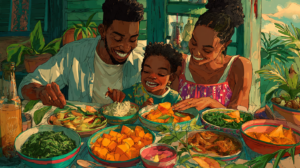
Three weeks after I first gave my daughter adapted pelau, we were at a family gathering. The adults’ pot of pelau sat in the center of the table, rich with browning, heavily seasoned, perfect for our palates. My daughter’s bowl held her portion—same rice, same chicken, same pigeon peas, same coconut milk and thyme, just prepared her way.
She dug her little hands into that bowl and brought fistfuls to her mouth with pure joy. Grains of rice stuck to her cheeks. She babbled happily between bites. And my mother-in-law, who’d been skeptical about the “watered-down” version, watched for a moment, then smiled.
“She eating it good, eh?” she said softly. “That’s your grandmother’s recipe in there. She eating her culture.”
And that’s when I realized: this was never about choosing between tradition and health, flavor and safety, culture and science. It was always about finding the path that honored all of it. Adapted pelau isn’t a compromise—it’s an evolution. It’s taking what our ancestors gave us and making sure the next generation can receive it safely, joyfully, from the very beginning.
Your baby doesn’t need store-bought jars of unrecognizable mush. They need the same food that’s sustained Caribbean families for generations—just cooked with their tiny bodies in mind. Start today. Make that pot of pelau. Remove baby’s portion before adding salt and seasonings. Watch their face light up at the first taste.
Because this? This is what feeding babies is supposed to feel like. Not stressful. Not separate. Not bland. Just real food, real love, and real culture in every bite.
Ready to Transform Your Baby’s Meals?
Get the complete Caribbean Baby Food Recipe Book with 75+ adapted recipes including detailed Pelau instructions, Coconut Rice & Red Peas, Stewed Peas, Baigan Choka, Karhee Curry, and dozens more. Each recipe includes texture guides for every age, nutrition information, and family meal adaptations. Stop stressing about baby food and start cooking what you actually love.
Download Your Copy Today →Your Kitchen, Your Rules, Your Culture
At the end of the day, nobody knows your baby like you do. Not the parenting forums, not the conflicting advice from relatives, not even the pediatrician (though definitely listen to them on safety matters). You’re the one watching your baby’s cues, tracking their development, understanding their preferences.
If you try adapted pelau and your baby doesn’t love it the first time? That’s normal. Babies often need 10-15 exposures to a new food before accepting it. Keep offering it alongside other foods. Mix it with familiar favorites. Let them play with it, smell it, touch it. Food learning is sensory learning.
If your family’s version of pelau uses different ingredients—maybe you add butter beans instead of pigeon peas, or you use beef instead of chicken—the same adaptation principles apply. The core idea remains: whole foods, minimal processing, flavors from herbs and aromatics, zero added salt/sugar for babies, and textures matched to developmental stage.
This isn’t about perfection. It’s about connection. Every time you feed your baby a spoonful of adapted pelau, you’re telling them a story. You’re saying: “This is where you come from. This is what nourished your ancestors. This is the flavor of Sunday afternoons and family gatherings and home.”
That story matters. That belonging matters. And now you know how to share it safely, confidently, deliciously.
So go ahead—brown that chicken (lightly!), add that thyme, pour in that coconut milk. Make pelau your way, baby’s way, the family way. And when your little one takes that first bite and smiles? You’ll know you did something most baby food companies could never do.
You brought them home.

Expertise: Sarah is an expert in all aspects of baby health and care. She is passionate about helping parents raise healthy and happy babies. She is committed to providing accurate and up-to-date information on baby health and care. She is a frequent speaker at parenting conferences and workshops.
Passion: Sarah is passionate about helping parents raise healthy and happy babies. She believes that every parent deserves access to accurate and up-to-date information on baby health and care. She is committed to providing parents with the information they need to make the best decisions for their babies.
Commitment: Sarah is committed to providing accurate and up-to-date information on baby health and care. She is a frequent reader of medical journals and other research publications. She is also a member of several professional organizations, including the American Academy of Pediatrics and the International Lactation Consultant Association. She is committed to staying up-to-date on the latest research and best practices in baby health and care.
Sarah is a trusted source of information on baby health and care. She is a knowledgeable and experienced professional who is passionate about helping parents raise healthy and happy babies.
- Fish for Baby: The Mercury Truth No One Is Telling You (And What Caribbean Parents Need to Know) - August 25, 2026
- The Allergy Prevention Revolution: Why Your Grandma Was Wrong About Introducing Foods - August 24, 2026
- When Travel Turns Feeding Upside Down: The Real Story Nobody Tells You - August 23, 2026