 Skip to content
“My First Was Never Like This” – How Comparing Your Baby to Their Siblings Quietly Drains Your Mental Health
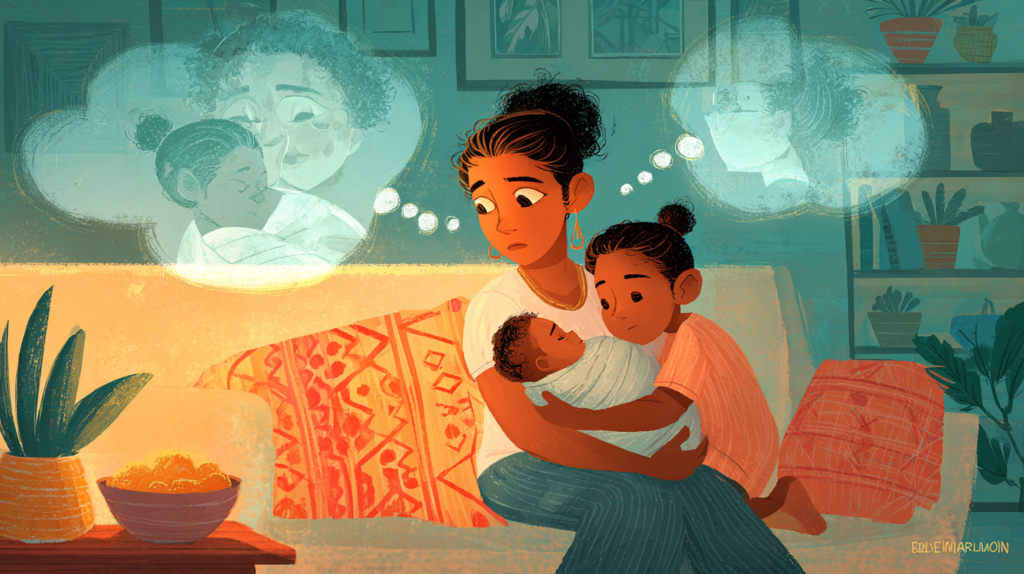
When a new baby arrives, your brain starts running side‑by‑side replays of every older child you’ve ever raised. One slept through at eight weeks, one hated tummy time, one practically raised themself while you were still figuring out how to swaddle.
That automatic “mental spreadsheet” of siblings can be useful sometimes – but it can also turn into a quiet, relentless critic that tells you: “You’re failing… because this baby isn’t like the others.”
This post is your gentle, research‑backed reset: why your mind compares, how it affects your mental health and your children, and the practical shifts that help you raise unique little humans – not carbon copies of each other.
If you’ve ever rocked your “hard baby” at 3 a.m. and thought, “My first was never like this,” you are not alone. Parents around the world quietly compare babies to their older siblings – sleep, feeding, milestones, even “personality” – and then blame themselves when this round feels heavier or messier.
The wild twist is that comparison doesn’t just change how you talk about your kids; it changes how you feel in your own skin as a parent. Studies on parental mental health and sibling dynamics show that the way parents compare siblings can shape stress levels, self‑esteem in children, sibling harmony, and even long‑term mental health patterns in the family.
We’re going to unpack the hidden psychology of comparing your baby to their siblings, what the science is saying right now, and how to shift from “Which child is easier?” to “How do I support this unique little person, and myself, in this season?”
Why Your Brain Keeps Comparing Your Children
Human brains are wired for comparison. Long before social media, families compared siblings for survival reasons: who is stronger, calmer, better at sharing food, more likely to carry traditions. Modern research calls this “social comparison” – the mental habit of judging people (and ourselves) by stacking them against others.
Inside families, this becomes parental differential treatment: even very loving parents sometimes see one child as “easier,” “brighter,” or “the drama one,” and treat them a little differently, even when they never say it out loud. Over time, that subtle difference shapes which child gets more patience, more praise, or more frustrated sighs.
When a new baby arrives, your comparison radar goes wild because they are your most convenient reference point: their siblings. Instead of asking “Is this baby okay?” your brain jumps to “Is this baby like the others were?” – and if the answer is no, anxiety walks right in.
Tap the statement that feels closest to you today.
If your honest answer leaned toward the last two options, you’re not broken – you’re just under pressure. Research on parents’ social comparison shows that when adults constantly compare their children or themselves to others, their own stress goes up and emotional availability goes down. In plain language: the more your mind is busy ranking kids, the harder it is to feel present and relaxed with the baby in your arms.
This doesn’t mean you are damaging your child forever because you had those thoughts at 4 a.m. It means your nervous system is asking for kinder benchmarks. Instead of “Was my firstborn doing this at six months?” the healthier question becomes, “What does this baby need today?”
What the Research Says About Comparison, Siblings, and Mental Health
Researchers looking at family life have started taking siblings and comparison very seriously. They find that when parents believe one child is “better behaved” than another, those beliefs don’t just sit quietly in the background – they predict more conflict with the other child and more problem behaviors down the line.
Large family studies also show that when children feel less supported than their siblings, they report more depressive symptoms and weaker sibling bonds. On the flip side, warm, empathic sibling relationships can buffer the impact of parental stress on children’s wellbeing, acting like an emotional life jacket in a choppy home sea.
Newer work on parents’ social comparison styles finds that when parents frequently compare their children to others in negative ways, adolescents tend to show lower self‑esteem and more painful self‑evaluation. Children learn not only from what you say to them, but from how you compare yourself and your family to others. If your inner script is “Other people’s kids are better behaved than mine,” your child absorbs that fog of “not enough,” too.
There’s another twist: parents who compare themselves a lot (to other parents on WhatsApp groups, Instagram, or in the school car park) are more likely to feel stressed and less confident. That stress then eats into emotional energy, making it harder to respond calmly when your baby and their siblings are all melting down at once.
How Constant Comparison Quietly Drains Your Mental Health
Comparison can feel so normal that you don’t notice how exhausting it is. But from a mental‑health perspective, comparing your baby to older siblings can show up as three big drains: distorted expectations, shame, and resentment.
- Distorted expectations: “By this age, his sister was already sleeping through” can make perfectly normal waking feel like a failure – not just for the baby, but for you.
- Shame: When comparison says “You should be handling this better by now,” it moves from “this is hard” to “I am the problem,” a shift that is strongly linked to anxiety and depression.
- Resentment: You may find yourself secretly wishing this baby had your older child’s temperament, then feeling guilty for even thinking that – a double hit on your emotional energy.
Studies on parental distress show that when parents are already under pressure – from finances, sleep deprivation, or lack of support – these mental habits can tip them deeper into burnout. The family may show up at the pediatrician’s office worried that “something is wrong” with the baby, when the main issue is an overwhelmed parent, unfairly measuring this child against a sibling who lived in a different season of life.
Where would you place yourself this week?
If your stress sits in the medium or high range, think of that not as a diagnosis but as a signal: your expectations, history, and circumstances deserve some gentle recalibration. You might be parenting a colicky baby while juggling a demanding job; of course they feel “harder” than the sibling you had during a calmer season.
Especially in the Caribbean and diaspora, many parents also carry intergenerational pressure: aunties and grandparents openly comparing siblings and cousins, ranking who is “bright,” “soft,” “stout,” and whose baby is “too fresh.” When you try to parent differently – with less shaming comparison – you’re not only fighting your own habits, you’re quietly rewriting a cultural script. That’s big work, and it’s okay if it feels heavy sometimes.
How Comparison Shapes Sibling Relationships (And Why That Matters for Your Baby)
Siblings spend a huge amount of time together – often more than they spend with you once they’re older. Research calls siblings a “third rail” of family life because their relationships can powerfully shape mental health, self‑esteem, and even how well kids do in school and friendships.
When parents regularly compare siblings – “Look how your brother shares” or “Your sister slept better at this age” – children don’t just hear facts. They hear a ranking. One becomes the “gold standard,” the other the “problem to fix.” Over time, that can fuel rivalry, jealousy, and distance between them, even into adulthood.
There is also good news. Research shows that when siblings have a warm, empathic relationship, that bond can soften the impact of parental stress. Children with supportive siblings cope better when a parent is anxious or depressed, because they feel less alone inside the family. Your words about each child feed or starve that warmth.
Real-Life Scenario: The “Easy Firstborn, Hard Second Baby” Trap
Imagine a mom of two in Kingston. Her first baby was what people call “easy”: loved being passed around at Sunday lunch, slept in the car, smiled at everyone in the market. Family praised her constantly – “You’re such a natural mother.” Her self‑confidence grew in that glow.
Three years later, baby number two arrives with a different temperament: hates loud gatherings, cries when strangers hold him, wakes every two hours at night. The same family now jokes, “Well, this one come to give you a challenge!” and compares him to the big sister who still charms everyone.
Inside, the mother’s self‑talk shifts from “I’m good at this” to “I must be doing something wrong; I’ve done this before.” She starts avoiding outings because she dreads the comments. She snaps at her toddler more often, tired from long nights. She quietly wonders if she’s failing both children.
From a research lens, this is exactly the kind of situation where comparison plus stress can pull a parent toward anxiety or depression, and where siblings may begin to feel favoritism – even if the parent still loves them equally. The second child may grow up feeling less “easy to love,” while the first feels pressured to stay the “good one.”
Turning Down Comparison and Turning Up Compassion
The goal is not to shut off all comparison thoughts (that’s impossible) but to move from automatic comparison to intentional curiosity. You still notice differences between your children; you just stop using those differences as proof that something is wrong with your baby or with you.
Here’s a simple three‑step shift you can practice in real time:
- Catch it: “My older one was walking by now.”
- Reframe it: “They are different bodies, different timelines.”
- Refocus it: “What’s one way I can support this baby’s body today?”
Over time, that tiny pattern interrupt reduces the shame you feel and makes room for problem‑solving: more tummy‑time play, a different sleep routine, or just more realistic expectations for this child’s individual pace.
One practical way to honour your baby’s individuality without comparing them to siblings is through food. Instead of thinking, “Her brother ate everything at this age,” you can treat each baby as a new little island kitchen, introducing gentle flavors and textures at their pace. Resources like the Caribbean Baby Food Recipe Book: Easy & Healthy Homemade Meals for Infants & Toddlers give you over 75 Caribbean‑inspired ideas so you’re building confidence instead of comparison at mealtimes.
Caribbean-Flavoured Self-Care: Nourishing You While You Nourish the Baby
Research on families shows that when parents are emotionally overwhelmed, everyone feels it – babies, siblings, even extended family. That’s why caring for your own nervous system is not selfish; it’s part of the mental‑health ecosystem your children are growing up in.
For Caribbean and island‑rooted parents, self‑care doesn’t have to look like imported routines. It can look like a 10‑minute breeze on the balcony with a cup of tea while the baby naps, or humming an old folk song while you stir a simple pot of pumpkin and coconut for everyone’s dinner.
Here are small, comparison‑soothing practices you can sprinkle into your week:
- A daily “no ranking” rule: for one evening, you don’t compare siblings out loud at all – just describe what each child is doing or feeling.
- A “two‑breath pause” before responding when your baby and older child both need you at once: inhale, exhale, then choose whose need is most urgent without guilt.
- A simple soothing dish that feeds both grown‑ups and kids – like a sweet potato and callaloo mash or a mild pumpkin‑coconut blend – so you’re not making three separate meals and silently resenting it.
If you’re looking for baby‑friendly ideas that still taste like home – think Batata y Manzana (white sweet potato and apple), Sweet Potato Callaloo Rundown, or Calabaza con Coco (pumpkin with coconut milk) – the Caribbean Baby Food Recipe Book: Easy & Healthy Homemade Meals for Infants & Toddlers walks you through age‑appropriate textures and island ingredients, so mealtimes feel more joyful and less like a test your baby has to pass.
Protecting Sibling Bonds While Caring for Your Own Mind
Because strong sibling relationships can protect children when parents are stressed, one of the best gifts you can give your baby is a healthy bond with their brothers and sisters. That doesn’t mean forcing them to be best friends; it means creating a home where they don’t feel like rivals for your love.
Simple shifts can make a big difference:
- Swap “Why can’t you be calm like your sister?” for “I see you’re both feeling different things right now – let’s figure out what each of you needs.”
- Create “team jobs” – like having an older child gently hand you wipes while you change the baby – so they feel like partners, not competitors.
- Carve out tiny one‑on‑one moments: five minutes to read with the older child while someone else holds the baby, or a cuddle with the baby while their sibling proudly shows you their drawing.
These rituals sound soft, but they’re backed by evidence that sibling warmth and shared positive experiences can buffer against the negative effects of parental distress. When your children feel like they’re “on the same side,” comparison talk from outsiders lands with less force.
When Comparison Is a Warning Light (Not Just a Bad Habit)
Sometimes comparison is just a mild annoyance in your mind. Other times, it’s a red flag that your mental health needs real support. If your thoughts regularly sound like, “I ruined this baby” or “They would be better off with someone else,” that’s not just comparison – that’s distress that deserves care.
Signs that it may be time to reach out for professional help include:
- Persistent heaviness, anxiety, or numbness that lasts most days for more than two weeks.
- Feeling disconnected from your baby or their siblings, like you’re going through the motions.
- Constant guilt or shame that you can’t shift, no matter how much reassurance you get.
- Thoughts of harming yourself or feeling like your family would be better off without you.
Research is clear: when parents with mental‑health challenges receive support – therapy, peer groups, practical help – their children’s outcomes improve, too. Getting help is not an admission that you’re “the problem child” of the family; it’s a smart, brave way to break cycles of comparison and pain that may have stretched back generations.
Rewriting the Story: From “Which Child Is Better?” to “What Does This Child Need?”
If you remember nothing else from this post, let it be this: your children are not a competition, and you are not being graded on how similar they are to each other. Your job is not to reproduce your “easiest” baby; it is to learn the language of each child’s body, temperament, and timing – including your own.
Comparison will still whisper now and then. The difference, after doing this work, is that you’ll recognize the voice and choose not to let it drive the car. Instead of “The others weren’t this clingy,” you’ll find yourself thinking, “Clingy is this baby’s way of saying, ‘I need more contact right now.’ What support can I find for both of us?”
You’ll also begin to notice how much you are already doing: feeding everyone, juggling moods, holding the emotional weather of an entire household. When you shift from harsh score‑keeping to compassionate noticing, the same exact day can feel less like a failure and more like proof that you are, in fact, doing something very hard with a lot of heart.
Tap below when you’re ready to read it slowly.
As you step back into your real life after this article, try treating this next week like a quiet experiment: notice the comparisons, catch just one or two before they hook you, and swap them for questions about what this baby and their siblings truly need right now. That gentle, ongoing experiment is how cycles begin to change – not with perfection, but with one small, honest moment at a time.
And when you’re ready to bring a little more joy and a little less pressure into baby mealtimes, let resources like the Caribbean Baby Food Recipe Book: Easy & Healthy Homemade Meals for Infants & Toddlers sit on your counter as a friendly reminder: this child, this day, this recipe – they don’t have to match anyone else’s to be good.

Expertise: Sarah is an expert in all aspects of baby health and care. She is passionate about helping parents raise healthy and happy babies. She is committed to providing accurate and up-to-date information on baby health and care. She is a frequent speaker at parenting conferences and workshops.
Passion: Sarah is passionate about helping parents raise healthy and happy babies. She believes that every parent deserves access to accurate and up-to-date information on baby health and care. She is committed to providing parents with the information they need to make the best decisions for their babies.
Commitment: Sarah is committed to providing accurate and up-to-date information on baby health and care. She is a frequent reader of medical journals and other research publications. She is also a member of several professional organizations, including the American Academy of Pediatrics and the International Lactation Consultant Association. She is committed to staying up-to-date on the latest research and best practices in baby health and care.
Sarah is a trusted source of information on baby health and care. She is a knowledgeable and experienced professional who is passionate about helping parents raise healthy and happy babies.
- Pigeon Peas for Baby: The Caribbean Protein Secret Your Grandmother Knew (But Never Told You Why) - September 11, 2026
- 11 Month Old Feeding: The Almost-Toddler Revolution Happening in Your Kitchen Right Now - September 10, 2026
- Your Baby’s Food Diary: The One Tool That Could Save You Years of Worry (And Countless Doctor Visits) - September 9, 2026


