Raising the Next Generation: How Your Everyday Feeding Choices Quietly Change the World
Tap the habits that feel closest to your home and watch how much “culture‑shaping power” you are already holding.
Here is the quiet truth that many parents never hear: every time you sit with your child at the table, decide not to fight about one more bite, or serve the same meal to everyone, you are training your child’s brain for lifelong health and also nudging your community’s food culture in a kinder direction.
Researchers are finding that family meals shape not just what kids eat today but their mental health, academic outcomes, and how they treat their own bodies and friends as they grow, which means your kitchen might be one of the most powerful “social change hubs” in your neighborhood. And yes, that still counts when dinner is rice, eggs, and some quickly sliced mango.
As a Caribbean‑rooted parent, there are evenings when my toddler is dancing around the table to soca while I’m scraping plantain off the high chair and wondering if any of this will matter in 10 years — and surprisingly, the research says it does, in ways that reach far beyond our four walls.
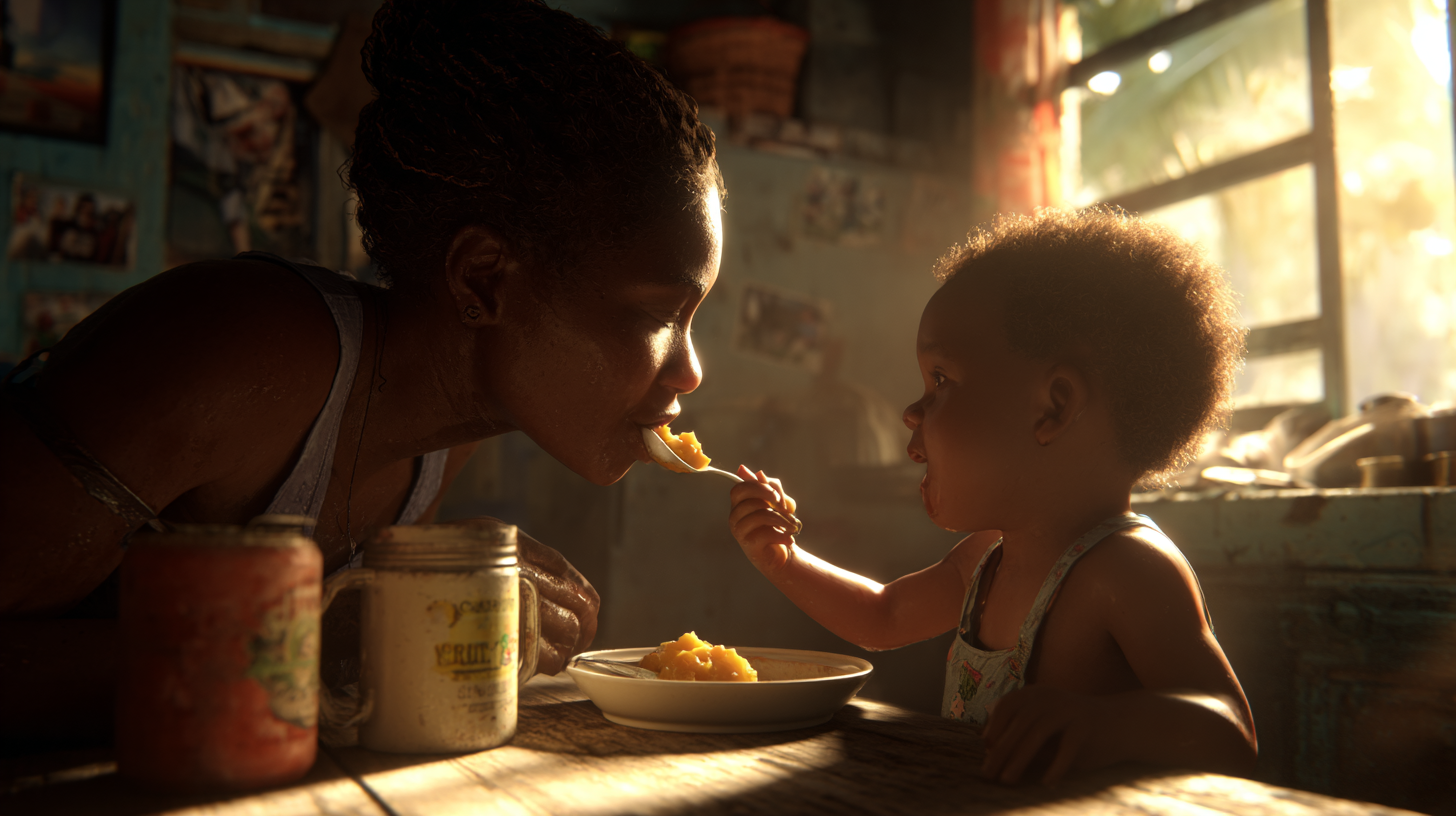
From “Finish Your Plate” To Connection: How Feeding Culture Is Evolving
For much of the last century, many families were taught that “good feeding” meant clean plates, strict schedules, and parents firmly in charge, with little attention to children’s hunger cues, feelings, or cultural identity in the meal. Over time, that produced a lot of adults who can recite calories in a mango but struggle to know when they are actually full.
Modern studies on family mealtimes now paint a different picture: they show that the most powerful meals are not the fanciest or the most “Instagram‑worthy,” but the ones that happen regularly, offer reasonably nourishing food, and create a calm, connected atmosphere where children feel safe to listen to their bodies.
This shift matters because your child’s first lessons about food and bodies are rarely from a textbook; they are from what they see on their plate and how the grown‑ups they love react when they say, “I’m full” or “I don’t like that yet.” When families respond with structure plus respect, children carry those patterns into school cafeterias, sleepovers, and eventually their own homes, slowly transforming what feels “normal” for the next generation.
What The Numbers Say About Your Family Table
When researchers zoom out and look across many households, they consistently find that families who share meals more often tend to have children who eat more fruits and vegetables, drink fewer sugary beverages, and show lower risks for obesity and some risk behaviors in adolescence. These meals are also associated with better mental health, including fewer depressive symptoms and better academic performance.
Recent work has gone deeper to show that it is not just how often you sit together, but also the quality of those meals — things like the emotional tone, what foods are on offer, and whether devices are dominating the table — that makes a difference for both children and adults in the home.
In other words, when you gather your child around a simple pot of rice and peas or a bowl of pumpkin and coconut puree, you are not only filling their belly; you are quietly investing in future outcomes that show up in their report cards, friendships, and doctor’s visits years down the line.
Which everyday choice creates the biggest long‑term ripple for your child’s well‑being?
Research repeatedly points toward the “calm, respectful atmosphere” answer: the long‑term magic is less about banning specific foods and more about building consistent routines where children feel safe, heard, and gently guided around food choices.
Your Kitchen As A Culture‑Shaping Lab
Every family table is like a tiny lab where the next generation is learning what “normal” looks and feels like around food, bodies, and conversations. When you choose to serve the same food to adults and kids, allow your child to say “no, thanks” with some structure, or keep screens from taking over dinner, you are designing a culture they will eventually export to their friends, partners, and children.
Researchers now talk about “ripple effects” in community programs: a single cooking class or family‑meal intervention can shift not just what one parent does, but the norms in a whole social circle over time. The same is true for your home; your child will carry your small daily choices out into school cafeterias, WhatsApp chats, and later, their own kitchen routines.
Click to see five ways a simple shared meal can echo far beyond bedtime.
- Your child practices listening to hunger and fullness, which protects them from pressure and diet fads later on.
- They hear how you talk about your own body and food, and will echo that language with siblings and friends.
- They experience your culture’s flavors — maybe callaloo, plantain, or pumpkin — which strengthens identity and pride.
- You model how adults handle stress and conflict at the table, shaping their future relationships.
- They see that “family meal” can look imperfect and still count, lowering pressure when they are parents one day.
As Caribbean parents, this might look like serving a mild version of stewed peas or Plantain Paradise for your baby while the adults enjoy the same dish with extra heat, and explaining casually, “In our family, we listen to our bellies and enjoy all kinds of foods.” Those tiny comments become the stories and standards your child brings into every future table they sit at.
If you want easy ways to introduce baby‑friendly versions of island staples like sweet potato, pumpkin, plantain, and beans, you can explore the Caribbean Baby Food Recipe Book: Easy & Healthy Homemade Meals for Infants & Toddlers, which turns those classic flavors into gentle purees and soft meals for little bellies.
Experts, Social Media, And The Pressure You Feel
Experts in nutrition, family medicine, and psychology increasingly describe family meals as a “health‑promoting context” instead of a single behavior, emphasizing that the mix of food served, conversation, and emotional safety matters most. They are also pushing back against weight‑centric approaches and urging parents to focus on connection, variety, and respect for body diversity.
At the same time, many parents feel caught between this nuanced science and the intense comparison culture on social media, where perfectly plated toddler lunches and strict “no sugar ever” rules can make a perfectly normal rice‑and‑eggs dinner feel like failure.
- Researchers highlight the benefits of shared meals for diet quality, mental health, and even academic outcomes.
- Clinicians warn that shaming parents for not cooking “perfectly” ignores real barriers like money, time, and kitchen space.
- Body‑image experts stress that harsh weight talk or food moralizing at the table can increase risk of disordered eating.
Meanwhile, social media has become a double‑edged cutlass: it can inspire creative, diverse meals and connect you with like‑minded parents, but it can also amplify extremes that do not match your reality or your child’s needs.
Studies on adolescents find that social media food content shapes their attitudes and behaviors, which means the way you talk about food at home is a crucial buffer against unrealistic and harmful messages they may encounter online later.
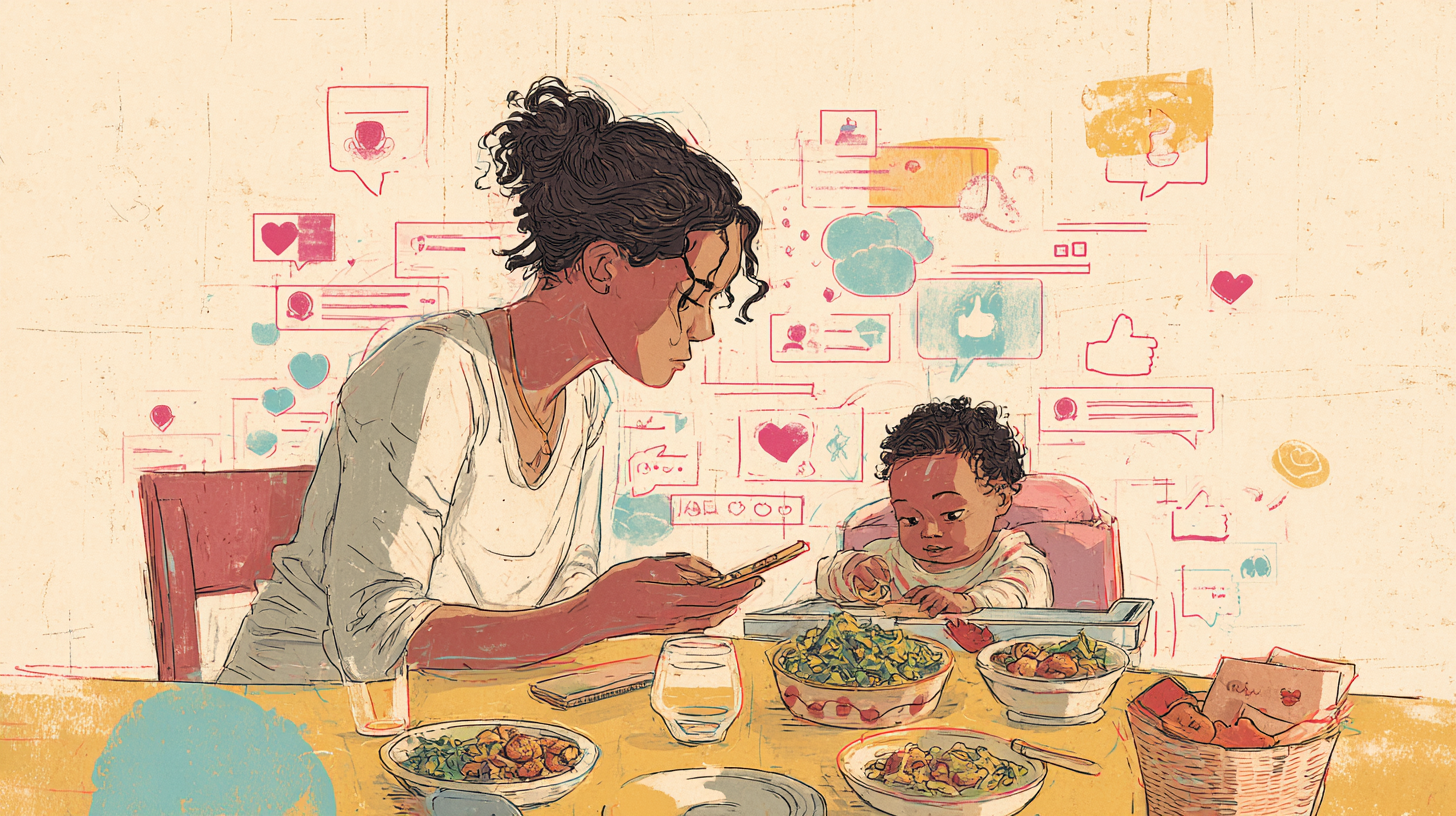
One night, I caught myself scrolling perfectly styled lunch boxes while my toddler happily ate a lumpy mix of cassava, callaloo, and coconut milk from a slightly chipped bowl. For a moment, I felt behind — then I realized my child was doing exactly what the research says matters most: eating a culturally meaningful, nourishing meal in a relaxed atmosphere, with no one shaming them for mess or appetite changes.
Bigger Than One Family: Community Ripples And Policy
When community health programs help families build simple routines around shared meals, the benefits often spread beyond the participants: neighbors copy recipes, schools adjust snack norms, and local organizations partner to support healthier food access. Researchers mapping these “ripple effects” have seen how one small intervention can lead to new policies, collaborations, and social norms over several years.
Anti‑hunger advocates also show that when families can reliably access enough food — through programs like school meals or nutrition assistance — local economies, children’s learning, and long‑term health all improve, reminding us that our personal feeding choices live inside larger systems.
Tap the actions you already take (or plan to try) and see how close your home is to “culture‑shifting” status.
Think about what happens when you bring a dish like Sweet Potato Callaloo Rundown or Papaya Banana Sunshine to a daycare potluck: you are not only feeding children, you are expanding their sense of what “normal” food can be, making room for Caribbean flavors in their taste memories and gently challenging bland, one‑size‑fits‑all expectations.
Recipes like these are designed specifically for little bellies in the Caribbean Baby Food Recipe Book: Easy & Healthy Homemade Meals for Infants & Toddlers, which includes options such as Malanga purées, plantain‑based blends, and gentle dhal that can easily be shared with the rest of the family.
Challenges, Guilt, And The Myth Of The Perfect Meal
Of course, none of this happens in a vacuum — many parents are juggling shift work, high food prices, tight kitchens, and picky phases that seem to last forever. Studies on family meals show that practical barriers like time, money, and fatigue are major reasons families struggle to eat together as often as they would like.
There is also a risk that well‑meant campaigns about “family dinner” can accidentally shame parents who are already stretched thin or living in hard conditions, especially when the message is wrapped in idealized images of large tables, organic produce, and endless patience.
Here are some science‑backed truths that can ease the pressure:
- You do not need a home‑cooked meal every night for your efforts to count; even simple, repetitive meals can be powerful when shared regularly.
- A calm tone matters more than a perfect menu; a stressed, pressured meal can undo some of the benefits of eating together.
- Children do not need “clean plates” to thrive; letting them stop when they are full helps protect them from over‑riding their own cues in the future.
- Serving cultural dishes, even if others do not recognize them, builds identity and resilience in the face of outside pressures.
One of my hardest evenings was after a long day of work when I stared into the fridge and ended up serving my baby mashed banana with a spoon of leftover pumpkin from yesterday’s dinner, while my partner and I ate quick fried dumplings and callaloo. I wanted it to be more balanced, more creative, more “Pinterest,” but then I watched my child happily mash those flavors together, and remembered the research: regular, emotionally safe exposure to a variety of foods is more powerful than any single “perfect” menu.
Ripple‑Friendly Habits You Can Start This Week
Turning research into daily life is a lot easier when you zoom out from perfection and focus on a short list of culture‑shifting habits. These habits are the ones your child is most likely to copy, repeat to friends, and carry into their adult life, creating the ripples this article is all about.
Here are practical ways to create those ripples, Caribbean‑style or otherwise, without adding hours of work to your week:
- Anchor one “protected” meal. Choose one meal most days (often dinner or weekend breakfast) where you aim to sit together, even if the meal is simple like toast, scrambled egg, and sliced papaya.
- Serve one shared base. Offer a base meal everyone eats (rice and peas, pumpkin soup, soft plantain), then adjust spice and texture at the edges instead of cooking separate “kid food.”
- Practice respectful language. Swap “That’s a bad food” for “That food doesn’t give us long‑lasting energy” or “We don’t feel our best when we eat too much of that.”
- Normalize appetite changes. When your child eats less one night, you can say, “Looks like your belly is saying ‘enough’ tonight, that’s okay, we’ll eat again at breakfast.”
- Bring in your roots. Rotate in dishes like Cassareep Sweet Potato mash, Amerindian Farine Cereal, or Coconut Rice with Red Peas in baby‑friendly textures, so your child’s “comfort foods” reflect your actual culture.
Tap a card to flip from a common phrase to a ripple‑friendly alternative you can use tonight.
Even tiny swaps like these dramatically change what your child learns about food and bodies, especially when repeated across many meals. Over time, they learn that their body is trustworthy, that food is not a moral test, and that family meals are about connection and nourishment, not judgment.
When you are ready for practical meal ideas that support these scripts, especially if you love Caribbean ingredients like sweet potato, plantain, malanga, and callaloo, the Caribbean Baby Food Recipe Book: Easy & Healthy Homemade Meals for Infants & Toddlers is packed with over 75 recipes designed to be shared or adapted for the whole family.
When Your Child Becomes The Ripple
One of the most beautiful (and slightly shocking) findings from social research is how strongly peers influence each other’s eating. As your child grows, they will eventually carry what they learned at home into school lunchrooms, birthday parties, and sleepovers, quietly shaping how their friends talk and feel about food too.
Imagine a teenager who grew up seeing their parents enjoy a wide variety of foods, including Caribbean dishes, without body shaming or extreme diets. That teen is more likely to normalize diverse foods, push back gently on harmful comments, and seek balance instead of extremes when social media pushes the latest “what I eat in a day” trend.
Here are some future ripples your child might create:
- Offering a friend a taste of green fig and avocado mash and saying, “This is what we eat at home; it’s really good with lime and a little salt.”
- Speaking up when someone mocks another child’s lunch: “Food from different cultures is cool, not weird.”
- Choosing to stop eating when full at a party, even if others keep pushing, because they learned early on that listening to their body is normal.
- One day, creating their own family meals where the default is shared dishes, gentle guidance, and relaxed conversation.
Your Legacy At The Table
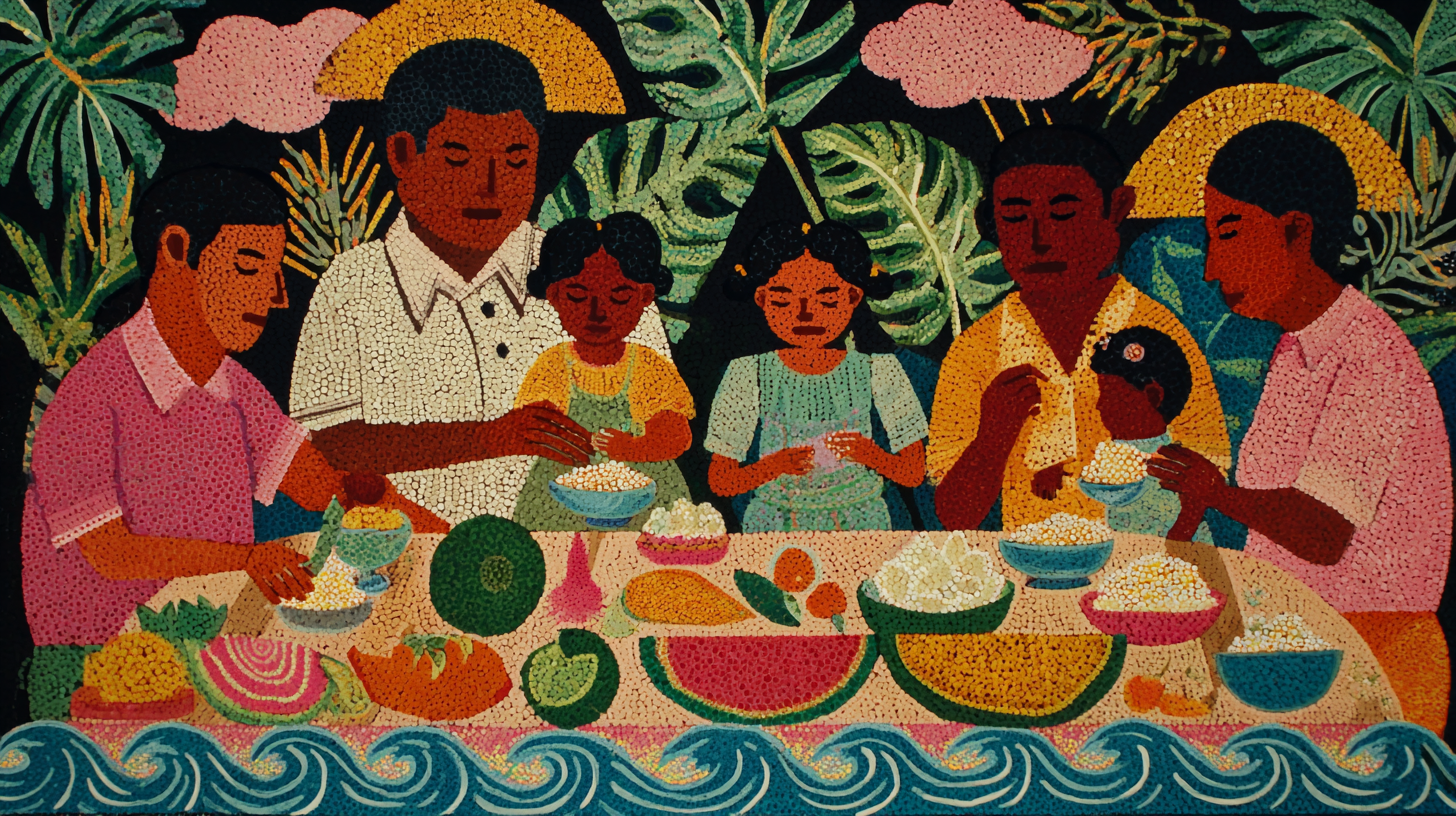
Most parents underestimate this simple reality: your feeding choices are a love letter your child will keep reading long after they leave your home. They may forget whether you used organic coconut milk or regular, but they will remember whether they were shamed for their appetite, whether they saw their culture honored on the plate, and whether meals felt like a safe harbor or a daily battle.
Across studies, a few threads show up again and again: families who prioritize some shared meals, keep the tone warm, serve reasonably nourishing foods, and respect body diversity help raise children who eat better, feel better, and carry kinder food cultures into the wider world. That is the legacy you are building, even on nights when cereal and leftover plantain are the best you can do.
Tap 1–3 intentions that feel realistic right now and get a personalized reflection.
If one of your intentions is to bring more island flavors into your baby’s routine without spending hours reinventing the wheel, consider using the Caribbean Baby Food Recipe Book: Easy & Healthy Homemade Meals for Infants & Toddlers as your side‑kick. It helps you transform ingredients like sweet potato, plantain, coconut, beans, and pumpkin into easy, developmentally appropriate meals that the whole family can enjoy in some form.
Tonight, when you put that bowl of mash, porridge, or soft rice and peas in front of your child, remember this: you are not just feeding a small body; you are shaping a future adult, a future friend, and maybe a future parent who will one day stand in their own kitchen, passing your ripple on.

Kelley's culinary creations are a fusion of her Caribbean roots and modern nutritional science, resulting in baby-friendly dishes that are both developmentally appropriate and bursting with flavor. Her expertise in oral motor development and texture progression ensures that every recipe supports your little one's feeding milestones while honoring cultural traditions.
Join Kelley on her flavorful journey as she shares treasured family recipes adapted for tiny taste buds, evidence-based feeding guidance, insightful parenting anecdotes, and the joy of celebrating food, culture, and motherhood. Get ready to immerse yourself in the captivating world of Kelley Black and unlock the vibrant flavors of the Caribbean for your growing baby, one nutritious bite at a time.