Letting Go of Feeding Anxiety: Finding Peace in the Messy Middle
Tap the option that feels closest. No judgment here—just honest data from your nervous system.
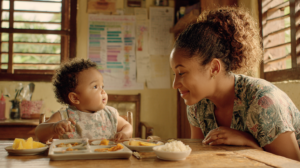
Maybe you recognize this scene: you’ve cooked, chopped, pureed, or carefully plated that tiny meal. You set it down like it’s a peace offering… and your baby or toddler barely glances at it before turning away. Your heart drops into your stomach. Your brain starts racing through growth charts, choking hazards, iron levels, and That One Comment from your pediatrician.
On the outside, it’s just a skipped bite. On the inside, it feels like a crisis.
Feeding anxiety isn’t just “being a worried parent.” It’s that constant knot in your chest, the late-night Googling, the urge to micromanage every bite because it feels like their entire future health depends on this one spoonful. And when anxiety is driving the car, meals stop feeling like connection and start feeling like exams you’re terrified to fail.
In this article, you’re not going to be told to “just relax.” Instead, you’ll learn how to manage the worry, accept the uncertainty, build resilience, and gently loosen your grip on control—so you can create a calmer, more joyful feeding relationship, even if you’re still anxious by nature.

What Feeding Anxiety Really Is (And Why You’re Not “Too Much”)
Feeding anxiety is more than caring about nutrition. It’s a pattern of persistent worry about your child’s eating, growth, choking risk, allergies, or long-term health that starts to run the show at mealtimes. You might find yourself constantly monitoring their intake, counting bites instead of noticing cues, or replaying every meal in your head like slow-motion footage after bedtime.
Researchers looking at parents in feeding clinics have found that a surprisingly high number are also living with anxiety or related mental health challenges. In one clinic sample, around four out of ten parents had a mental health diagnosis, and anxiety was the most common. That’s not because these parents are weak; it’s because feeding touches almost every fear button a parent has—safety, survival, and “am I doing enough?”
The science also shows that stress and anxiety are deeply linked to how we feed. When parents are under a lot of pressure or feeling low, they’re more likely to slip into non-responsive patterns like pushing “just three more bites,” bribing with dessert, restricting certain foods out of fear, or checking out entirely at the table. Not because they want to be controlling, but because anxious brains reach for control when everything feels shaky.
So if you’ve ever thought, “Why can’t I just chill out about food like other parents?” here’s the quiet truth: your anxiety is not a personal failing. It’s your nervous system trying (a little too hard) to protect your child—and you. This article helps you honor that protective part while slowly turning down the volume, so you can work with your anxiety instead of letting it run the whole show.
How We Got Here: From Clean Plates to Responsive Feeding
Many of us grew up in homes where the rules were simple: clean your plate, don’t waste food, and be grateful for what’s in front of you. Maybe you were praised for being a “good eater,” or shamed for being picky. Those stories stick. So when your child pushes away a bowl of lovingly mashed sweet potato, it doesn’t just feel inconvenient—it can feel like you’re failing both your child and the culture you came from.
For decades, mainstream advice centered on getting kids to eat more or less of certain foods, without saying much about how parents actually feel at the table. The conversation was all about techniques—hide the veggies, reward with dessert, cut the sugar—while parent emotions stayed in the background. Recently, that has started to change. Researchers now frame feeding as a relationship and emphasize “responsive feeding”: noticing your child’s cues, offering structure and variety, and letting them decide whether and how much to eat within that structure.
What’s especially important for anxious parents is that newer models explicitly connect parental stress, financial strain, and mood to what happens at the table. When life is heavy—bills, postpartum mood changes, trauma, sleep deprivation—it becomes much harder to stay responsive. You’re more likely to pressure, restrict, or give up in exhaustion, not because you don’t know what to do, but because your emotional tank is empty. That shift in research matters because it validates what you already feel: it’s not just about the food; it’s about the weight you’re carrying while you serve it.
Short-term intake matters far less than long-term patterns. Children’s appetites naturally fluctuate day to day, and growth is assessed over weeks and months, not one lunch. What your child needs most from you after a refused meal is calm structure: the confidence that another snack or meal is coming, and that they don’t have to fight you to protect their own hunger and fullness cues.
Parental anxiety can influence feeding, but it doesn’t doom your child. When you learn to notice your anxious thoughts and respond with more responsive feeding—offering without pressure, allowing some mess and exploration—you actually buffer your child. You’re modeling how to live with big feelings and still move toward connection and nourishment.
It feels safer to control, especially after scary moments like choking or poor weight gain, but over-control can backfire. Pressure to eat, strict rules, or frequent battles may increase resistance, reduce appetite, and make mealtimes more stressful for everyone. Trust doesn’t mean ignoring medical advice; it means blending safety and structure with faith in your child’s capacity to learn and self-regulate with your guidance.
The Numbers Behind Your Feelings (You Are Far From Alone)
Let’s zoom out for a second. It’s not just you and your kitchen table. In recent national reports, a significant portion of parents report high stress levels, often higher than adults without children. Mental health organizations have flagged that roughly a quarter of parents may be living with a diagnosable mental health condition, with anxiety high on the list. That means millions of caregivers are trying to make calm, wise decisions about feeding while their nervous system is constantly firing off alarms.
In feeding-specific settings, the picture is similar. In interdisciplinary feeding clinics—where families go when eating challenges become complex—large portions of caregivers report anxiety and depression. It’s common to find that the majority of parents in these clinics are juggling mental health concerns alongside their child’s feeding difficulties. Again, this doesn’t mean they’re doing something wrong; it means feeding and mental health are deeply intertwined.
Research also shows that parental stress is strongly linked to more controlling feeding practices and less confidence in children’s ability to regulate intake. When parents feel overwhelmed, they’re more likely to pressure kids to eat, use food to soothe big emotions, or restrict foods out of fear. This is especially true in families experiencing financial strain or food insecurity, where the stakes feel even higher and every bite carries the weight of sacrifice and worry.
If you come from a Caribbean background or any culture where food is love, celebration, and survival all at once, those numbers can feel personal. Food might carry memories of scarcity, migration, or family members urging you to “eat, eat, eat.” No wonder your shoulders tense when your child takes one look at your lovingly made callaloo mash and says, “No.” Your anxiety is sitting on top of generations of food stories.
When Baby-Led Weaning, Choking Fears, and Social Media Collide
One of the most common anxiety triggers right now? The “solid starting wars.” Baby-led weaning fans post videos of tiny babies chomping on massive chunks of food, while other parents watch with their hearts in their throats. Large studies suggest that, when done correctly, baby-led weaning does not lead to more choking than traditional spoon-feeding. But here’s the catch: that science doesn’t erase what your nervous system feels when your baby gags for the first time.
Newer research suggests that some parents who choose baby-led weaning actually have higher levels of generalized anxiety. That doesn’t mean baby-led weaning is unsafe; it means anxious parents may be drawn to—or pressured into—methods that feel “ideal” but are emotionally overwhelming. When online culture frames one approach as the gold standard, parents who don’t feel ready for it can end up shaming themselves for going with purees, mixed methods, or slower exposure.
So let’s bust a hidden myth: the “best” method is the one that keeps both your baby reasonably safe and you emotionally regulated enough to stay present and responsive. If that looks like soft spoon-fed calabaza with coconut milk today and gently steamed plantain strips six weeks from now, that’s still a valid path. You are allowed to adjust the method to fit your real nervous system, not the internet’s hypothetical one.
How Anxiety Shapes What Happens on the Plate
When anxiety is running in the background, it doesn’t just sit quietly. It shows up as behaviors at the table. Studies have repeatedly found that higher levels of parental stress and anxious mood are associated with more pressuring, more restricting, and more use of food to manage emotions. In other words, the more worried and depleted you feel, the harder it becomes to stay in that “I offer, you decide” lane.
Here are some common ways anxiety drives feeding, even when you know all the “right” advice:
- Pressure disguised as encouragement: “Just one more bite for Nana,” “Two more spoons and then you can play,” or “You have to finish your peas before you get juice.” It feels like caring, but your child experiences it as pressure.
- Restriction driven by fear: Cutting out entire food groups or ingredients because of generalized anxiety, not specific medical guidance, which can shrink variety and increase your child’s curiosity or secretive behavior around those foods later.
- Checking out or giving in: When you’re exhausted, it’s easy to hand over endless snacks, screens, or “safe foods” just to get through the day. No shame—this is a survival response—but over time it can reinforce patterns you don’t actually want.
- Hyper-focusing on numbers: Obsessively tracking ounces, bites, or portions and ignoring your child’s actual cues. Anxiety loves numbers because they feel like certainty, but feeding is inherently variable.
The hopeful part? Even small shifts in your emotional state can ripple into feeding. When parents receive support—whether that’s therapy, mindful parenting training, or practical guidance—studies show that both their anxiety and their controlling feeding practices can decrease. Less pressure, more responsiveness. Less war, more curiosity.
Mini-quiz: Is this Control or Connection?
Tap the answer that feels most accurate. You’ll get instant feedback to help you reframe your habits.
From White-Knuckle Control to Responsive Confidence
Letting go of feeding anxiety does not mean swinging to the other extreme and never setting any boundaries. Instead, it means shifting from control to responsive structure. You still provide the what, when, and where of meals. Your child gets to decide whether and how much to eat from what’s offered. This balance protects your child’s ability to tune into hunger and fullness, while still honoring your responsibility as the grown-up.
Here are some practical ways to move toward responsive feeding, even if your anxiety is loud:
- Use consistent meal and snack rhythms. Rather than offering food all day out of fear they “didn’t eat enough,” aim for predictable opportunities (for example, breakfast, mid-morning snack, lunch, afternoon snack, dinner). This reassures you that another chance is coming soon, which makes it easier not to panic over one refused meal.
- Pair safe foods with learning foods. Put one or two familiar items on the plate alongside something new or less preferred, like calabaza con coco beside a small spoon of mixed dhal purée. Your child sees something comforting and something to explore; your anxiety gets a little safety net too.
- Practice “neutral narration.” Instead of, “You’re not eating enough!” try, “I see you’re done with your plantain for now” or “That bite looked crunchy!” It keeps you engaged without turning into a performance review of their appetite.
- Plan your words before the meal. Anxious brains do better with scripts. Decide ahead how you’ll respond if your child refuses food (for example, “You don’t have to eat it, but this is what’s for dinner. We’ll have a snack later.”) and stick to it as calmly as you can.
If you love Caribbean flavors and want to offer nutrient-dense, baby-friendly versions without overthinking, resources like the Caribbean Baby Food Recipe Book: Easy & Healthy Homemade Meals for Infants & Toddlers can also lower your stress. Having tested recipes—like sweet potato blends, callaloo rundowns, or gentle coconut-based porridges—planned out for you means fewer midnight “what do I serve tomorrow?” spirals and more trust in the variety you’re offering.
Working With Worry: Mindfulness, Self-Compassion, and Tiny Experiments
Here’s one of the most hopeful findings from recent research: when parents learn simple mindfulness and self-compassion skills, their stress and anxiety often decrease, and their parenting—including feeding—becomes more flexible and responsive. You don’t need a silent retreat to benefit from this. You just need micro-moments of noticing, naming, and softening.
Try this three-step loop during or after a stressful meal:
- Notice: “My chest is tight, my jaw is clenched, and my mind is shouting that they’ll never eat vegetables.”
- Name: “This is feeding anxiety showing up. Of course it is—feeding this child matters deeply to me.”
- Normalize and soothe: “Many parents feel this way. I’m allowed to feel scared and still choose a calmer response. One slow breath. One sip of water. One gentle sentence.”
Self-compassion research with parents shows that treating yourself like a friend—especially after hard feeding moments—reduces shame and makes it easier to try again. Instead of replaying the argument where you begged for “three more bites,” you might tell yourself, “That was a tough meal. Next time, I’ll try my script and take a breath before reacting. I’m learning.” Each time you choose kindness over self-attack, you’re rewiring your own nervous system and creating more emotional space at the table.
Mindful, compassion-based parenting programs have even been delivered online with good results. Parents who practiced noticing their own emotions and staying present with their babies reported lower stress and more positive interactions. You don’t have to wait until your anxiety disappears to act differently; change often happens because you act differently while anxiety is still whispering in your ear.
7-Day Micro-Challenge: One Tiny Shift at a Time
Tap any day you complete a small anxiety-friendly feeding action (like taking one slow breath before serving, or letting your child leave food on the plate).
Caribbean-Flavored Calm: Using Culture as a Source of Safety
As a Caribbean parent (or someone raising your little one on island flavors), you carry a powerful secret weapon against feeding anxiety: cultural food joy. The same dishes that might stress you out when your child refuses them can also become anchors of comfort and connection when you reframe your role.
Think of a small bowl of “Papaya & Banana Sunshine” or a creamy pumpkin-and-coconut blend. These aren’t just nutrients; they’re edible stories about your family’s history, the elders who taught you to stir a pot just so, the way thyme and pimento make the whole house smell like home. When you focus on sharing these stories and sensations, not just checking off “healthy food” boxes, meals become about more than performance.
You can even use familiar Caribbean staples to work with your anxiety. If new foods make you nervous, start by offering them alongside comforting textures and flavors you know your baby usually accepts—maybe a spoon of callaloo mash beside a small bite of green papaya, or a bit of plantain next to a new bean purée. Using recipes designed specifically for babies, like the blends, porridges, and mashes found in the Caribbean Baby Food Recipe Book: Easy & Healthy Homemade Meals for Infants & Toddlers, gives you a roadmap to lean on when your anxious brain wants to reinvent the wheel every night.
That index of recipes is like a menu of tiny experiments: batata y manzana (white sweet potato and apple) when you’re nervous about iron-rich carbs, calabaza con coco when you want a smooth, comforting purée, or sweet millet cereal with cinnamon when you’re ready to move beyond plain oats. Each one is a chance to practice being the calm, curious guide instead of the anxious gatekeeper.

Real-Life Moments: When Anxiety Shows Up at the Table
Here are a few familiar scenarios, and how “peace in the process” might look in each one.
Scenario 1: The sudden veggie strike
Your toddler, who once devoured callaloo and pumpkin, now refuses anything green for two weeks straight. Anxiety says, “They’ll never eat vegetables again. Their health is ruined.” Peace in the process says, “Appetites and preferences change. I’ll keep serving small portions of veggies alongside safe foods, without forcing them, while I check that growth and energy seem okay.” You still care deeply, but you’re no longer turning every dinner into a courtroom drama.
Scenario 2: The choking incident
Your baby once gagged and sputtered on a piece of plantain, and everyone at the table went into panic mode. Now, even soft foods make your heart race. Anxiety whispers, “We should stick to smooth purées forever.” Peace in the process sounds like, “That scare was real and valid. I’ll refresh my gag-versus-choke knowledge, maybe take an infant CPR class, and slowly reintroduce soft finger foods when I feel ready. I’ll start with shapes and textures I trust, and I’ll pause anytime my body says it needs a breather.” Safety and healing go together.
Scenario 3: The carnival of comments
At a family gathering, relatives comment, “That child too small,” or “You letting them be too picky,” while eyeing your baby’s plate. Anxiety screams, “I must prove I’m a good parent right now. Eat, please!” Peace in the process looks like taking a breath and saying to yourself, “Our pediatrician is tracking growth; I am following a plan that supports my child’s cues and our family’s values. I can choose one calm line to share and then change the subject.” Later, you might decompress with a friend or journal, rather than trying to fix your feelings by pushing extra bites on your child.
In every scenario, the difference isn’t that the anxious thoughts disappear. The difference is that you keep choosing values—safety, connection, cultural pride, respect for your child’s body—over the urge to control every outcome.
Peace-o-Meter: Where Are You Headed?
Tap the statement that feels most like your current season. You’ll see a tailored encouragement.
Bringing It All Together: Your New Story About Feeding
By now you’ve seen that feeding anxiety isn’t just “in your head.” It’s shaped by research-backed realities: high rates of parental stress, strong links between mood and feeding style, cultural expectations around food, and modern pressures from social media and solid-start trends. You’ve also seen that responsive feeding, mindfulness, and self-compassion can measurably lighten the load, even if the anxiety doesn’t disappear overnight.
So here’s a different story you’re allowed to tell yourself from today forward: “I am not the parent who has to control every bite. I am the parent who creates steady rhythms, offers nourishing foods—including the Caribbean flavors that feel like home—and trusts my child’s body more and more over time. I am the parent who makes room for my own feelings, gets help when I need it, and keeps choosing connection over perfection.”
Letting go of feeding anxiety isn’t one big, dramatic transformation. It’s a series of quiet choices: one less comment about “just one more bite,” one more breath before reacting, one decision to keep offering callaloo or plantain even when it gets ignored, one moment of kindness toward yourself after a tough dinner. It’s the courage to keep showing up to the table, not as the exam proctor, but as the guide, the storyteller, the safe place.
If you’d like practical support in the “what do I actually serve?” department while you work on the emotional side, consider using structured resources that honor both nutrition and culture. A collection like the Caribbean Baby Food Recipe Book: Easy & Healthy Homemade Meals for Infants & Toddlers can free up mental space: instead of stressing over combinations, you can follow trusted recipes built around batata, plantain, pumpkin, callaloo, beans, millet, and more—while you focus your energy on staying calm, curious, and connected.
Most of all, remember this: peaceful feeding isn’t the absence of anxiety. It’s learning to be the steady heartbeat in the room, even when your mind is buzzing. Your child doesn’t need a perfect feeder. They need you, exactly as you are, slowly learning to let go of fear and make room at the table for joy.

Kelley's culinary creations are a fusion of her Caribbean roots and modern nutritional science, resulting in baby-friendly dishes that are both developmentally appropriate and bursting with flavor. Her expertise in oral motor development and texture progression ensures that every recipe supports your little one's feeding milestones while honoring cultural traditions.
Join Kelley on her flavorful journey as she shares treasured family recipes adapted for tiny taste buds, evidence-based feeding guidance, insightful parenting anecdotes, and the joy of celebrating food, culture, and motherhood. Get ready to immerse yourself in the captivating world of Kelley Black and unlock the vibrant flavors of the Caribbean for your growing baby, one nutritious bite at a time.
- Letting Go of Feeding Anxiety: Finding Peace in the Messy Middle - September 21, 2026
- Your Feeding Confidence: Building Trust in Your Parenting Decisions - September 20, 2026
- How to Finally Be Heard at Your Child’s Medical Appointments - September 19, 2026