 Skip to content

The Truth About Potluck Safety That Could Save Your Child’s Life
Three years ago, I watched my friend’s daughter nearly stop breathing at a church potluck. The culprit? A seemingly innocent casserole that contained unlabeled almond flour. Nobody asked. Nobody told. And in fifteen terrifying seconds, what should have been a joyful community gathering turned into a race against time with an EpiPen.
That moment changed everything for me. Because here’s what nobody talks about: roughly 5.8% of U.S. children and 6.2% of adults live with food allergies right now. That’s approximately 20 million people who navigate a world where a bite of someone’s homemade dish could trigger anaphylaxis. Yet when it comes to potlucks—those beautiful, chaotic celebrations of shared food and community—most families with allergies feel they have only two choices: skip it entirely or risk it all.
But what if I told you there’s a third way? What if your family could actually enjoy potlucks, build connections, and stay safe—all at the same time?
What’s Your Biggest Potluck Fear?
Let’s start by identifying what worries you most. Click the scenario that makes your heart race:
Why Potlucks Are Different (And More Dangerous)
Let me be straight with you: potlucks are fundamentally different from restaurant dining or even eating at a friend’s house. Research on food-allergy management shows that shared-meal environments are documented sources of accidental exposures due to inconsistent recipes, poor communication, and cross-contamination. And unlike restaurants, which face regulations and training requirements, potlucks operate in a Wild West of good intentions and zero accountability.
Here’s what makes them particularly risky. First, the ingredient uncertainty is massive. Aunt Sarah might have added crushed peanuts to her “famous” green bean casserole this year—but she didn’t last year. Uncle Mike could have switched from regular breadcrumbs to the ones made in a facility that processes shellfish. And that gorgeous fruit salad? Someone might have tossed in a handful of walnuts at the last minute for “texture.”
Second, cross-contact happens constantly at buffet tables. Shared serving utensils move from dish to dish. Someone uses the same spoon for the mac and cheese and the dairy-free option. Crumbs from the dinner rolls fall onto the supposedly safe vegetable platter. Studies indicate that these informal settings lack the standardized labeling and preparation protocols that help protect allergic individuals in commercial food environments.
Third—and this is the part that gets me—there’s this invisible social contract at potlucks that makes speaking up feel like you’re being difficult. International guidelines on food-allergy management now emphasize that the psychosocial burden of food allergy, including social exclusion and anxiety around “being difficult” at shared meals, significantly affects quality of life. We’re taught to be gracious guests, to appreciate everyone’s effort, to not make a fuss. But your child’s safety isn’t “making a fuss.”
The Statistics Nobody Shares at the Buffet Table
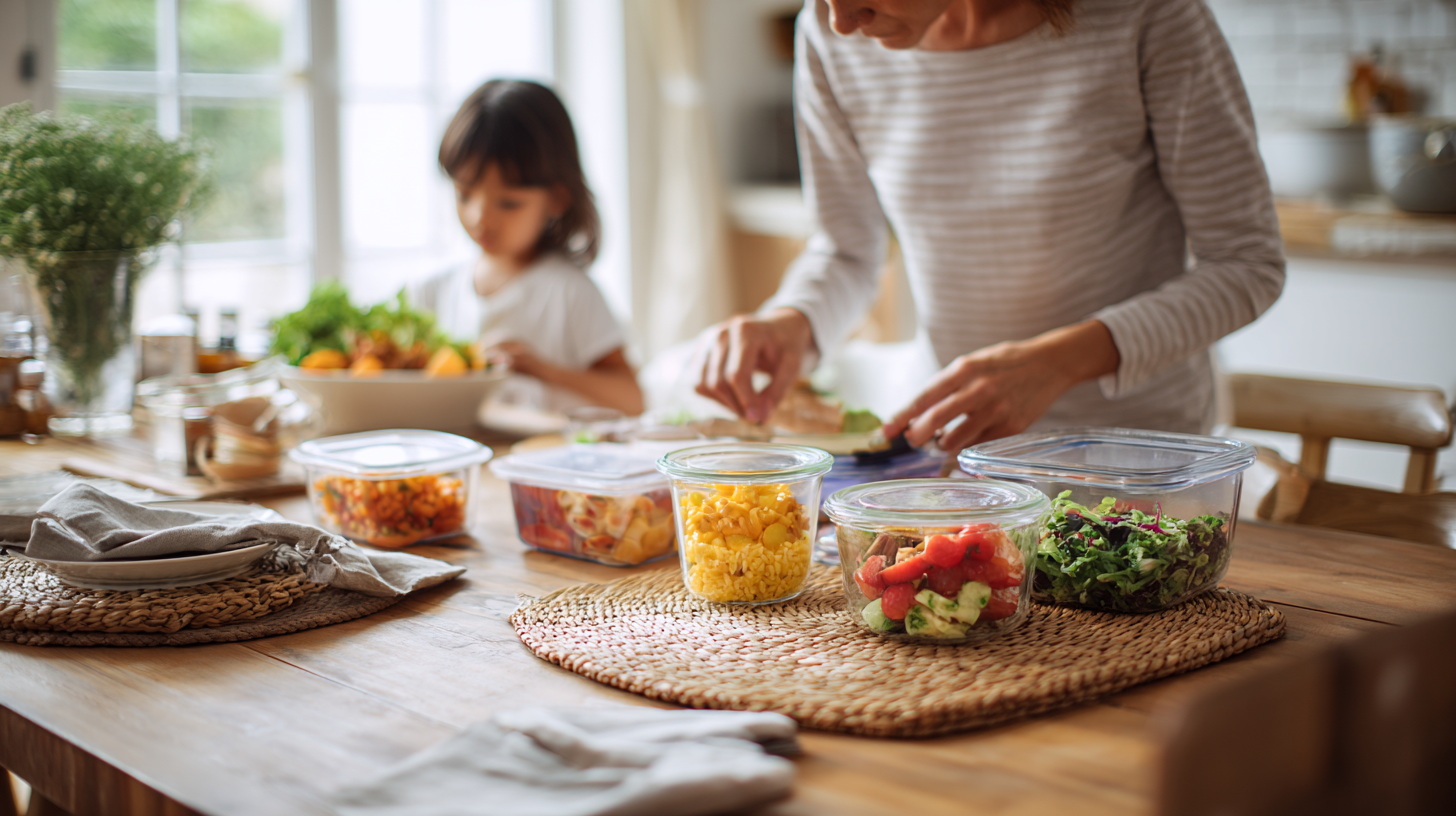
Let’s talk numbers, because they matter. Current U.S. data indicates that approximately 4 million children and 16 million adults have food allergies. Large pediatric surveys suggest between 6-8% of children are affected, with many managing multiple allergens simultaneously. That’s not rare. That’s not unusual. That’s one or two kids in every classroom.
And severe reactions? They’re not just theoretical. U.S. estimates suggest around 45,000-50,000 anaphylaxis-related emergency visits happen annually. That’s more than 120 emergency room visits every single day because someone with a food allergy ate something they shouldn’t have—or couldn’t verify was safe.
Nine major allergens account for most serious reactions: milk, egg, peanut, tree nuts, fish, shellfish, wheat, soy, and sesame. These are now the focus of labeling laws internationally, guided by frameworks like Codex Alimentarius. But here’s the catch: those laws only apply to packaged foods. When your neighbor makes her “secret recipe” potato salad from scratch, nobody’s required to tell you it contains mayo made with eggs or that she used sesame oil instead of vegetable oil this time.
The really sobering part? Public-health guidance now explicitly states that shared-meal environments require special protocols for families managing food allergies—protocols most people have never heard of.
⚡ Quick Knowledge Check: Spot the Hidden Allergen
Which of these common potluck dishes MOST LIKELY contains a hidden allergen that hosts forget to mention?
What Changed in Allergy Safety (And Why It Matters)
Something important has shifted in how medical experts approach food-allergy management at social gatherings. New international guidelines from organizations like the European Academy of Allergy and Clinical Immunology (EAACI), GA²LEN, and the American Academy of Allergy, Asthma & Immunology (AAAAI) now emphasize structured risk assessment, standardized terminology like “cross-contact” instead of “cross-contamination,” and clearer avoidance advice that can be adapted to home and community settings.
What does this mean for you? It means the old advice of “just be careful” has been replaced with evidence-based strategies. Research on “eliciting doses”—the minimum amount of an allergen that can trigger a reaction—now informs how strictly families should manage trace-exposure risk in buffet-style settings. For some allergens, we’re talking about amounts as small as a few milligrams.
Recent public-facing resources from allergy organizations now include holiday and potluck-specific checklists covering everything from communicating with hosts to preventing cross-contact on shared tables. Community and workplace catering guidance highlights designated “allergy-friendly” areas and clear signage as emerging best practices. This isn’t your grandmother’s “don’t eat peanuts” advice—this is comprehensive safety planning.
And here’s something that might surprise you: experts increasingly discuss the need for shared responsibility. The burden shouldn’t rest entirely on allergic families to protect themselves while everyone else does whatever they want. Hosts and communities need to adapt their practices too. That’s not being demanding—that’s being reasonable.
Just like when you’re introducing your baby to new foods and flavors—perhaps starting with simple, single-ingredient purees before moving to complex combinations like those found in a Caribbean Baby Food Recipe Book featuring coconut rice and red peas or sweet potato with callaloo—allergy management requires building from simple, controlled situations to more complex social eating environments with clear safety protocols.
Communication Strategies That Actually Work
Alright, let’s get practical. Because knowing the risks means nothing if you don’t know how to navigate them. And the foundation of potluck safety is communication—but not the apologetic, please-don’t-hate-me kind. Clear, direct, unapologetic communication.
Start before the invitation even goes out if you can. If you’re close to the host, reach out early: “Hey, we’d love to come to your potluck. Just so you know, Maya has severe allergies to peanuts, tree nuts, and shellfish. I’ll bring safe options for her, but would it be okay if we talk about how to set up the buffet to minimize cross-contact?” Notice what you did there? You stated the facts, offered a solution, and asked for collaboration—not permission.
When the event gets closer, offer specific, actionable requests. Instead of “Please be careful,” try: “Would you be willing to ask people to label their dishes with main ingredients? I can even provide cards and markers.” Or: “Could we set up Maya’s safe foods on a separate small table before everyone else arrives?” Hosts want to help—they just often don’t know how.
At the actual event, practice what I call the “verify, don’t trust” principle. Yes, even with people you know and love. Food-safety protocols for allergy management stress that assumptions are dangerous. When someone says “Oh, there’s no nuts in this,” your response is: “That’s great! Can you tell me all the ingredients, including what brand of any packaged items you used?” If they can’t, or if they seem uncertain, that dish is a no-go.
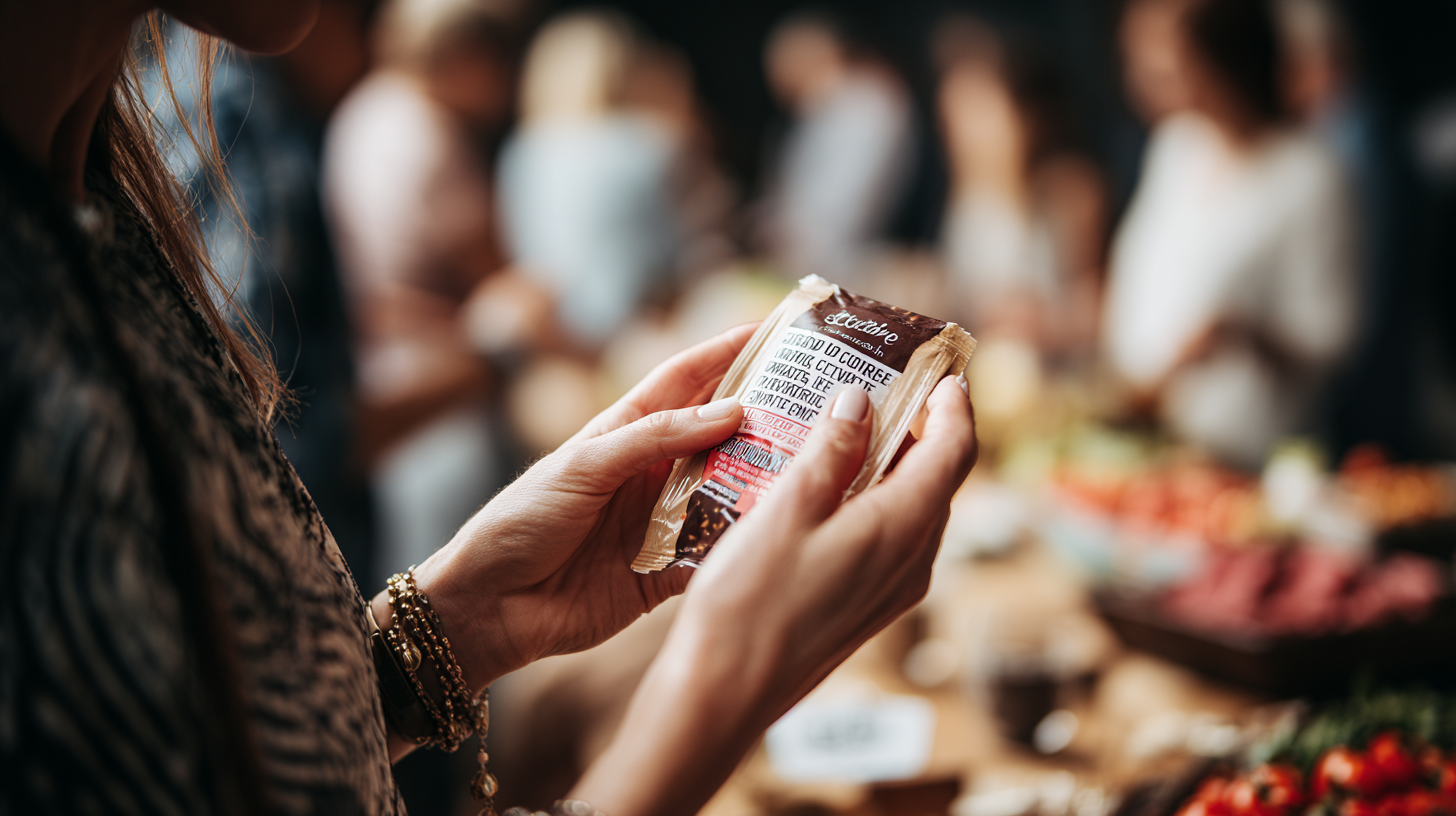
Here’s a script that’s saved me countless times: “Thank you so much for making that! I need to be really careful about [specific allergen], so I’ll stick to the dishes I brought and can verify. It’s nothing personal—this is just how we keep [child’s name] safe.” Brief, factual, firm, and kind. Nobody can argue with that.
And when someone pushes back—because eventually, someone will—remember this: evidence shows that the emotional burden of constantly explaining and defending your child’s medical needs takes a real toll. You’re not being dramatic. You’re being a parent. The appropriate response to “Oh, just a little won’t hurt” is “Actually, even trace amounts can trigger anaphylaxis, which is a medical emergency. But I appreciate that you want to include us.”
The Script Nobody Teaches You
There’s one conversation that makes every parent of an allergic child break into a cold sweat. Want to know the exact words that help you handle it with confidence?
The Situation: A well-meaning relative (often a grandparent) says, “You’re being too overprotective. We never worried about this stuff when you were little, and you turned out fine.”
Your Response: “I know allergies seem more common now, and that can feel confusing. But [child’s name]’s allergy isn’t something that will go away if we relax about it—it’s a diagnosed medical condition that can cause life-threatening reactions. Just like we wouldn’t give insulin to a child without diabetes, we can’t give [allergen] to [child’s name]. I need you to trust me on this one, because [child’s name]’s safety depends on everyone taking it seriously. Can I count on your support?”
Why it works: You acknowledge their feelings, educate without being condescending, draw a clear medical parallel, and end with a specific ask. Most importantly, you don’t apologize or negotiate.
Building Your Potluck Safety Protocol
Let’s build out your actual game plan—the step-by-step system that turns “terrifying potluck invitation” into “we’ve got this.” Because winging it is not a strategy, and hoping for the best is not a plan.
Step One: The Pre-Event Prep
A week before the potluck, you’re doing reconnaissance. Contact the host to discuss logistics. Ask about the venue (indoor vs. outdoor matters for emergency access), the expected number of people, and whether there will be separate areas for different dishes. Request that the host send a message to all attendees asking them to label dishes with ingredients or, at minimum, common allergens.
Then plan your safe food strategy. Guidelines from allergy organizations consistently recommend that families bring complete meals—not just a dish, but everything your allergic family member will eat. This isn’t rude. This is survival. Make it fun: pack your child’s favorite safe foods, include special treats they love, maybe even replicate dishes that will be at the potluck so they don’t feel left out.
If you’re introducing your little one to diverse flavors while managing allergies, drawing from carefully controlled recipes—like the ingredient-transparent options you’d find in resources such as the Caribbean Baby Food Recipe Book, which includes detailed allergen information and substitution suggestions—can help you confidently expand their palate within safe boundaries.
Step Two: Pack Your Safety Kit
Your safety kit is non-negotiable. Two doses of epinephrine (yes, two—the first dose doesn’t always work or wears off before you reach the hospital). Antihistamines. Your child’s allergy action plan with emergency contacts. A photocopy of their medical ID or bracelet. Hand wipes for cleaning surfaces and hands before eating. And here’s a pro tip: pack a small cutting board, plate, and utensils that you know are clean and allergen-free.
✓ Interactive Potluck Safety Checklist
Click each item as you prepare. Your progress saves lives.
Step Three: Arrival and Setup Strategy
Arrive early if you possibly can. This gives you time to scope out the layout, identify a safe eating area away from the main buffet, and potentially set up your child’s food before the chaos begins. Talk to the host about where to position your safe dishes—ideally on a completely separate surface with clear signage.
When people start arriving with their contributions, this is when you go into detective mode. Watch what goes where. Notice if someone’s reaching over the “nut-free” section with a plate of brownies that might have almond flour. Pay attention to what serving utensils are being used and whether they’re staying with one dish or migrating.
Current research on food-allergy management in social settings confirms what you probably already know intuitively: the early arrival strategy, combined with designated safe zones, significantly reduces accidental exposure risk.
Reading Labels on Others’ Dishes (Without Being That Person)
Okay, this is where things get delicate. Because you need to investigate every dish your child might eat, but you also don’t want to spend the entire potluck interrogating your friends about their casserole ingredients. Balance is key.
Start with the dishes that have labels—bless those organized souls who actually wrote down ingredients. Read everything. Not just the main components, but the brands of packaged items used. That matters because a dish made with Brand A’s barbecue sauce might be safe, but Brand B’s contains soy or fish sauce. If the label says “may contain” or “processed in a facility with” your child’s allergen, that dish is out.
For unlabeled dishes, you’ve got to ask. I know it feels awkward, but here’s a reframe: anyone who gets offended by a parent protecting their child’s health is telling you something about themselves, not about you. Approach the person who brought the dish and use your verify-don’t-trust script: “This looks delicious! Can you tell me all the ingredients, including any packaged items and their brands?”
If they hesitate, can’t remember, or say anything like “I think it’s fine” or “probably doesn’t have any nuts”—hard pass. Uncertainty equals danger. Expert guidelines are crystal clear on this: when full ingredient verification isn’t possible, that food must be avoided regardless of how “probably safe” it seems.
Here’s something people don’t realize: sauces, marinades, and garnishes are where allergens hide. The grilled chicken might be fine, but was it marinated in something with soy sauce? The vegetable tray looks safe, but is that dip made with tahini (sesame)? The pasta salad seems innocent until you discover the dressing contains anchovy paste. Always ask about the “extras.”
And please, please watch for cross-contact at the buffet line. That serving spoon that just scooped the peanut sauce might now be sitting in the rice. Someone just used the cheese knife to cut the dairy-free option. These aren’t hypotheticals—these are exactly how accidental exposures happen at shared meals.
Managing Uncertainty and the Gray Areas
Let’s talk about the hardest part: when you’re not sure. When the host says they “think” something is safe but can’t be certain. When your child is begging to try Cousin Emma’s famous cookies and Emma swears they’re nut-free but can’t remember what brand of chocolate chips she used. When the whole family is eating something and you’re the only one saying no to your child.
This is where your protocol becomes your backbone. Because here’s the truth that changed everything for me: uncertainty always means no. Not maybe. Not probably okay. Not just this once. No.
Studies on risk management in food-allergy care consistently show that the majority of severe reactions happen when families deviate from strict avoidance in social situations—often due to social pressure, uncertainty about ingredients, or the belief that “a small amount won’t hurt.” But we know that even trace quantities of allergens can trigger anaphylaxis in sensitized individuals.
So when you’re in that gray area, here’s your decision tree: Can you verify every single ingredient and how it was prepared? Yes → Proceed with caution. No → Hard pass. That’s it. That’s the whole algorithm.
The social awkwardness you feel is temporary. The guilt you’d carry if something happened is permanent. Choose accordingly.
One strategy that helps: create a family rule that applies everywhere, not just at potlucks. “We only eat foods where we know all the ingredients and how they were prepared.” This isn’t a punishment or a restriction—it’s a family value, like wearing seatbelts or looking both ways before crossing the street. When your child understands this is the rule for everyone, every time, it reduces the feeling of being singled out.
Risk Assessment: Should You Trust This Dish?
Let’s practice your decision-making. For each scenario, decide if it’s safe enough to eat:
Teaching Your Child to Self-Advocate
Here’s something that keeps me up at night: eventually, your child will be at potlucks, parties, and gatherings without you. The age when that happens depends on your family, but the preparation starts now—even if your child is still a toddler learning about flavors and textures with simple, safe foods.
Teaching food-allergy self-advocacy is fundamentally different from other safety lessons. It’s not just “don’t talk to strangers” or “look both ways.” It requires your child to navigate social pressure, ask uncomfortable questions, and say no to adults offering them food—all things that go against most children’s instincts.
Start young with simple, consistent messages: “Some foods make you sick, so we always check first.” As they get older, teach them to identify their allergens by name and recognize them on labels. Practice scenarios at home: “What would you say if a friend offers you their cookie at school?” “What would you do if you’re not sure whether something has milk in it?”
Role-play the awkward conversations. Pretend you’re the well-meaning grandparent who says “just try a little bite.” Let them practice their response: “No thank you, I’m allergic to peanuts, and even a small amount could make me very sick.” Rehearse how to politely but firmly decline food, how to ask adults about ingredients, and most importantly, how to walk away from any situation where they feel pressured.
Empower them to trust their instincts. If something feels wrong or uncertain, the answer is always no—and they won’t get in trouble for refusing food, ever. That’s a promise you make and keep. Because the alternative—a child who eats something unsafe because they were trying to be polite—is unthinkable.
Just as you might gradually introduce your baby to new tastes and textures with controlled, safe recipes—perhaps starting with simple single-ingredient purees before advancing to the complex, flavorful combinations in resources like a Caribbean Baby Food Recipe Book featuring dishes such as coconut milk-based porridges or spiced vegetable blends—teaching allergy self-advocacy is a step-by-step process that builds confidence over time.
When Someone Gets It Wrong (Emergency Response)
Despite everything—all your preparation, all your vigilance, all your protocols—there’s a possibility something could go wrong. Not to scare you, but to prepare you. Because knowing how to respond in an emergency is the difference between a scary moment and a tragedy.
First, know the early signs of a reaction. They’re not always obvious. Symptoms can include tingling or itching in the mouth, hives or rash, swelling of lips/tongue/throat, difficulty breathing, stomach pain, vomiting, dizziness, or a sense of impending doom. In young children, you might notice sudden behavioral changes, pulling at their throat, or becoming very quiet.
Current medical guidelines are clear: if you even suspect anaphylaxis, give epinephrine immediately. Don’t wait for symptoms to worsen. Don’t give antihistamines first. Don’t second-guess yourself. Epinephrine auto-injectors are designed to be safe even if it turns out not to be anaphylaxis—but delaying epinephrine when it is needed can be fatal.
After administering epinephrine, call 911 immediately. Even if your child seems to recover, they need emergency medical evaluation because biphasic reactions (where symptoms return hours later) occur in up to 20% of anaphylaxis cases. This is why you carry two doses of epinephrine—the second is for if symptoms return or don’t improve after the first dose.
Here’s what you need to practice before you ever need it: Can you get to your epinephrine in under 60 seconds? Can your partner or another caregiver do the same? Do other adults who attend events with your family know where it is and how to use it? If the answers are no, it’s time for a drill.
At the potluck itself, mentally map your emergency exit and identify the nearest hospital before the meal starts. Make sure at least one other adult at the event knows about the allergy, knows where your epinephrine is, and knows to call 911 if something happens and you’re not immediately present.
Your Potluck Safety Journey
Click each stage to see what success looks like at that level. Track your family’s progress.
The Conversations That Change Communities
Here’s what I’ve learned after years of navigating potlucks with my friend’s allergic daughter: individual family preparation is essential, but cultural change is what makes lasting safety possible. When entire communities understand and accommodate food allergies, nobody has to be the “difficult” family anymore.
So how do we get there? It starts with education, not confrontation. When someone says something ignorant about food allergies—”Kids these days are just too coddled” or “Allergies weren’t a thing when I was young”—that’s your opportunity to teach. “Actually, food allergies have always existed; we just understand them better now and have better emergency treatments. Without strict avoidance and access to epinephrine, many children who have allergies today wouldn’t have survived a generation ago.”
Advocate for simple, high-impact changes in your community spaces. Suggest that potluck organizers include an allergy questionnaire in invitations. Offer to create ingredient label cards that anyone can use. Propose designated allergy-friendly tables at large gatherings. Request that shared cooking spaces (like church kitchens or community centers) stock separate utensils and cutting boards for allergen-free food preparation.
Public-health guidance increasingly emphasizes these environmental modifications alongside individual vigilance. The goal is shared responsibility—where protecting allergic community members becomes everyone’s job, not just the job of allergic families.
And please, share your stories. When something goes well—when a host asks great questions, when dishes are clearly labeled, when your child safely enjoys a potluck—celebrate it publicly. Positive reinforcement works. People want to do the right thing; they often just don’t know what that is.
Creating Your Caribbean-Inspired Safe Potluck Contributions
Let me share something that’s transformed how we approach potlucks: instead of just bringing “safe” food that’s bland and obviously “allergy food,” we bring dishes so delicious that everyone wants them—and they happen to be allergen-free. This shifts the narrative from “poor kid can’t eat anything” to “wow, that looks amazing, can I try some?”
Caribbean cuisine is particularly brilliant for this because it’s naturally vibrant, flavorful, and often built around ingredients that work well for common allergen avoidance. Coconut milk-based rice and peas? Naturally dairy-free, often nut-free, and crowd-pleasing. Sweet potato and callaloo? Pure vegetables with incredible flavor. Cornmeal porridge? Comforting, customizable, and safe for many allergen profiles.
When I prepare potluck contributions, I draw inspiration from the same philosophy used in baby food preparation—start with wholesome, recognizable ingredients, layer flavors thoughtfully, and keep ingredient lists transparent. The same approach that helps parents confidently introduce babies to new foods—like those detailed in a resource such as the Caribbean Baby Food Recipe Book, with its careful attention to ingredient quality and allergen considerations—works beautifully for potluck dishes that everyone can enjoy.
The key is making food that doesn’t feel like a restriction. Bring plantain chips with a vibrant fruit salsa. Prepare a coconut rice dish flavored with thyme and scallions. Make a vegetable-forward stew that’s hearty and satisfying without any common allergens. Label it clearly, not apologetically: “Coconut Rice & Peas – Free from dairy, nuts, eggs, soy, wheat.”
This approach does something powerful: it normalizes allergen-free food as delicious food, not “special” food. And when other families start asking for your recipes because their kids loved what you brought, you’re not just protecting your own child—you’re expanding the safe food landscape for all allergic families in your community.
Living Fully, Not Fearfully
I need you to hear this, especially if you’re exhausted from the constant vigilance: protecting your child from allergic reactions is not the same as protecting them from life itself. The goal isn’t to hide from every potluck, every celebration, every shared meal. The goal is to navigate them safely.
Research on the psychosocial impacts of food allergies shows that social isolation and exclusion significantly affect quality of life for allergic children and their families. When families feel they must avoid all social eating situations, children miss out on important developmental experiences—learning to navigate social settings, building friendships over shared meals, participating in cultural and community traditions.
But there’s a different way. With clear protocols, strong communication, appropriate preparation, and community support, allergic families can absolutely participate in potlucks and other shared meals. It requires more work than it does for families without allergies—that’s just true. But it’s not impossible. And it’s not optional, because these connections matter.
Your child deserves to experience the joy of community gatherings. They deserve to celebrate holidays with extended family, to attend birthday parties, to participate in cultural traditions that revolve around food. And you deserve to be present at these events without your heart racing the entire time, without constantly calculating risks, without feeling like you’re one bite away from disaster.
That’s what these protocols create: not fearless participation, but confident participation. You’ll probably always have a baseline anxiety at shared meals—most allergy parents do, and that’s okay. That alertness keeps you vigilant. But it doesn’t have to be paralyzing.
The moment I watched my friend confidently navigate a church potluck six months after her daughter’s near-fatal reaction—I saw her daughter laughing with friends, eating her safe packed meal without shame, while my friend chatted with the host about future allergy-friendly modifications—that’s when I truly understood: this isn’t about perfect safety (which doesn’t exist). It’s about acceptable risk, managed intelligently.
Your Next Steps Forward
So where do you go from here? Because reading this article is step one, but it means nothing if you don’t put it into action. Real safety comes from practiced protocols, not theoretical knowledge.
This week, start small. If you have a potluck invitation, use one communication script from this article. If you don’t have an event coming up, practice your emergency response—can everyone in your household locate and administer the epinephrine correctly? Run a drill. Time yourself. It feels silly until the day it saves a life.
Next, build your safety kit if you haven’t already. Get it organized now, not the night before an event when you’re stressed and rushing. Create your checklist and laminate it. Make this reproducible.
Then, start the community conversations. Find one ally—maybe it’s the frequent potluck host in your family, maybe it’s your child’s teacher, maybe it’s a friend—and help them understand what thoughtful accommodation looks like. Don’t ask for everything at once. Just start the education process.
And finally, connect with other allergy families. Whether that’s through social media groups, local allergy support organizations, or just that one parent you met at the allergist’s office—community with people who get it makes this journey so much less isolating. They’ve already figured out solutions to problems you’re just encountering. They’ll celebrate your wins and support you through the scary moments.
The future of food-allergy management is moving toward better treatments—oral immunotherapies, biologic medications, improved emergency protocols. But even as medical options expand, the fundamental skills of avoidance, communication, and emergency preparedness remain essential. Your child’s safety will always depend partly on these protocols, regardless of what other treatments become available.
And here’s what I want you to know as you move forward: you’re not overreacting. You’re not being difficult. You’re not asking too much. You’re protecting your child from a documented medical threat using evidence-based strategies recommended by leading experts. Anyone who makes you feel otherwise doesn’t understand the reality of food allergies—and that’s their education gap to fix, not your burden to carry.
Three years after watching my friend’s daughter nearly stop breathing at that church potluck, I attended another potluck at the same church. But this time was different. This time, every dish on the buffet table had a card listing ingredients. This time, there was a separate “allergy-friendly zone” with dedicated utensils. This time, my friend’s daughter filled her plate confidently from verified safe options while chatting with friends.
And when I asked the host what changed, she said something that stuck with me: “Once I understood what was actually at stake, accommodation stopped feeling like a burden and started feeling like basic human decency.”
That’s the world we’re building, one potluck at a time. Where allergic families aren’t excluded or endangered. Where safety and celebration coexist. Where the only thing anyone risks at a shared meal is maybe eating too much dessert.
Your family deserves that world. And every action you take—every conversation you have, every protocol you establish, every event you navigate successfully—brings us closer to it.
So take that potluck invitation out of the trash if you threw it away in fear. Take a breath. Review your protocols. Pack your safety kit. And then go—not recklessly, but confidently. Because community matters. Connection matters. And your child deserves both, safely.

Kelley's culinary creations are a fusion of her Caribbean roots and modern nutritional science, resulting in baby-friendly dishes that are both developmentally appropriate and bursting with flavor. Her expertise in oral motor development and texture progression ensures that every recipe supports your little one's feeding milestones while honoring cultural traditions.
Join Kelley on her flavorful journey as she shares treasured family recipes adapted for tiny taste buds, evidence-based feeding guidance, insightful parenting anecdotes, and the joy of celebrating food, culture, and motherhood. Get ready to immerse yourself in the captivating world of Kelley Black and unlock the vibrant flavors of the Caribbean for your growing baby, one nutritious bite at a time.
- You’re Doing Your Best: The Self-Compassion Revolution Every Feeding Parent Needs - September 11, 2026
- Feeding Therapy: Your Family’s Roadmap from Overwhelm to Progress - September 10, 2026
- When to Seek Professional Feeding Help: Your Complete Guide to Recognizing Warning Signs and Taking Action - September 9, 2026


