Mediterranean Magic for Your Caribbean Baby: The Island Twist Nobody Talks About
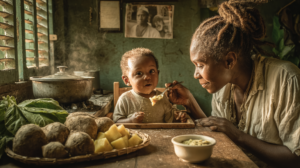
Here’s something I discovered while mashing plantains at 2 a.m. for my nephew’s breakfast: the Mediterranean diet—the one doctors praise for heart health and longevity—isn’t as foreign to Caribbean babies as you’d think. In fact, the ingredients sitting in your grandmother’s kitchen right now could be the secret bridge between ancient Greek wisdom and island flavor.
The truth nobody tells you? You don’t need to import specialty olive oil or shop at expensive health food stores to give your baby Mediterranean-style nutrition. The answer is already bubbling in your rice and peas pot, ripening on your mango tree, and sitting in that bag of lentils you bought for curry. But here’s where it gets interesting: most parents think they need to choose between cultural foods and “optimal” nutrition. That’s the lie keeping us stuck.
What if I told you that the same principles making Greek and Italian toddlers thrive could work with yam, callaloo, and coconut milk? What if the real Mediterranean diet for babies isn’t about location—it’s about a philosophy that Caribbean cooking has embraced for generations?
Tap Each Myth to Reveal the Shocking Truth
By the end of this article, you’ll know exactly how to build Mediterranean-style baby plates using the ingredients you already have—plus a framework to adapt any cultural recipe into brain-building, gut-friendly nutrition. No passport required.
Why the Mediterranean Pattern Works for Babies
The Mediterranean diet isn’t just trendy—it’s one of the most researched eating patterns on the planet. Between 2020 and 2025, over a dozen large-scale studies confirmed that children whose mothers followed Mediterranean-style eating during pregnancy showed better birth weights, lower obesity risk, and stronger cognitive scores at 18–24 months. One 2024 randomized trial in Spain found that counseling pregnant women to eat Mediterranean-style reduced offspring overweight by nearly 30% by age three.
Here’s what makes it powerful for babies specifically:
- High in healthy fats: Babies need fat for brain development. Olive oil, avocado, nuts (as butters), and fatty fish provide the essential fatty acids that support myelin formation and cognitive growth.
- Plant-forward but flexible: Vegetables, fruits, legumes, and whole grains form the base, but fish, poultry, eggs, and dairy appear in moderation. This balance delivers fiber, antioxidants, and diverse gut bacteria exposure.
- Minimal ultra-processed foods: Mediterranean eating emphasizes whole foods. A 2025 study in Mediterranean youth found that daily ultra-processed food intake slashed diet quality scores by 37–60%. For babies, this means fewer additives, less hidden sugar and salt, and better nutrient density.
- Cultural sustainability: The pattern is tied to environmental health, local agriculture, and food traditions—principles that align beautifully with Caribbean farm-to-table cooking.
But here’s the kicker: the benefits aren’t locked to Greek islands or Italian hillsides. Research from 2022–2024 on culturally adapted Mediterranean diets shows that using local grains, legumes, and vegetables while keeping the same macronutrient profile delivers similar health outcomes. That means your rice and peas, provision vegetables, and coconut-based dishes can become Mediterranean-style baby nutrition—if you know how to adapt them.
️ Build Your Baby’s Mediterranean-Caribbean Plate
Select 3-4 items to create a balanced meal. Watch the nutrition breakdown update!
Your Plate Analysis:
The Mediterranean Framework for Caribbean Babies
Think of the Mediterranean approach as a template, not a recipe book. The framework has five core pillars that translate beautifully to Caribbean ingredients:
1. Vegetables and Fruits as the Foundation
Mediterranean babies eat puréed vegetables drizzled with olive oil, soft roasted peppers, tomato-based sauces, and fresh fruit for dessert. Caribbean adaptation? Mashed calabaza (pumpkin) with coconut oil, steamed christophine (chayote), puréed callaloo, roasted breadfruit, and ripe mango or papaya. Studies confirm that early vegetable variety predicts lifelong acceptance—so rotate your ground provisions weekly.
2. Legumes as Primary Plant Protein
Lentils, chickpeas, white beans, and fava beans appear multiple times per week in Mediterranean homes. We have our own legume tradition: split peas (dhal), red kidney beans (rice and peas), pigeon peas, and black-eyed peas. For babies 6+ months, cook them until very soft, mash thoroughly, and add a drizzle of oil for calories and absorption of fat-soluble vitamins. A 2023 analysis found that early legume introduction correlates with better iron status and lower obesity risk in toddlers.
3. Healthy Fats from Whole Sources
Olive oil is the Mediterranean star, but coconut oil, avocado, and ground nuts/seeds work just as well for babies. Omega-3 fatty acids from fish are critical—Mediterranean coastal families serve small portions of sardines, anchovies, and white fish weekly. Caribbean families can offer steamed snapper, flaked mackerel (watch bones!), or smoked herring (rinsed to reduce salt). Pair fish with starchy vegetables for a complete, brain-building meal.
4. Whole Grains and Starchy Vegetables
Babies need energy-dense carbohydrates for growth. Mediterranean families use whole-grain pasta, rice, and barley. Caribbean babies thrive on green plantain, yam, dasheen, sweet potato, breadfruit, and whole-grain rice. These complex carbs provide sustained energy, fiber, and prebiotic fuel for gut bacteria. Avoid instant or highly refined versions—stick to boiled, roasted, or steamed preparations.
5. Herbs, Spices, and Minimal Processing
One of the biggest Mediterranean secrets? Flavor comes from herbs and spices, not salt and sugar. Garlic, thyme, bay leaf, parsley, basil, oregano, and a pinch of cumin are all safe for babies 6+ months in small amounts. Caribbean cooks already know this—our curries, stews, and rice dishes are built on aromatic spice blends. Just hold the scotch bonnet, heavy salt, and bouillon cubes for baby versions.
When you layer these five pillars, you’re not just feeding your baby—you’re programming their taste preferences, shaping their gut microbiome, and building metabolic resilience that can last a lifetime. A 2025 environmental sustainability study noted that Mediterranean-style eating in early childhood also has lower carbon and water footprints than Western processed-food patterns, meaning this choice benefits your baby and the planet.
Recipe Adaptation Strategies That Work
This is where the magic happens. Every Caribbean family has beloved recipes passed down through generations. The question isn’t whether to serve them to your baby—it’s how to adapt them safely and nutritionally. Here’s the step-by-step method I use:
Step 1: Deconstruct the Adult Recipe
Take rice and peas as an example. The adult version has kidney beans, rice, coconut milk, scallion, thyme, garlic, and often salted meat or heavy seasoning. For babies, keep the beans, rice, coconut milk, thyme, and garlic—but cook the beans until very soft, skip the salt and meat, and mash or blend to the right texture for your baby’s age.
Step 2: Boost Nutrient Density
Mediterranean meals prioritize nutrient-per-calorie efficiency. Add a spoonful of puréed callaloo or pumpkin to your baby’s rice and peas for iron, vitamin A, and fiber. Drizzle with coconut oil or mashed avocado for healthy fats. This turns a simple starch into a complete, balanced meal.
Step 3: Mind the Texture Progression
At 6–7 months, smooth purées or very soft mashes are safest. By 8–10 months, babies can handle thicker mashes with small soft lumps (think mashed banana consistency). From 10–12 months, soft finger foods like steamed yam sticks, flaked fish, and well-cooked bean pieces work. After 12 months, many babies can manage family meals with minor modifications—just continue to avoid choking hazards like whole grapes, nuts, or hard chunks.
Step 4: Use the “Flavor First, Salt Last” Rule
Caribbean cooking relies on layered flavors. For babies, build flavor with sautéed onion and garlic (cooked soft), fresh or dried herbs, a squeeze of lime, and aromatic spices like a tiny pinch of cumin or turmeric. Save salt for after you portion out baby’s serving. A 2024 study on Mediterranean adherence in children confirmed that early exposure to diverse herbs and spices (without added salt) predicts better vegetable intake and lower processed-food preference later.
Step 5: Batch Cook and Freeze
Mediterranean and Caribbean traditions both value slow-cooked, home-prepared meals. Make a big pot of lentil stew, fish and vegetable mix, or provision mash on Sunday. Portion into ice cube trays or small containers and freeze. Thaw one cube at a time for quick, nutrient-dense meals all week. This saves time and ensures you’re not reaching for packaged baby food when life gets hectic.
If you’re looking for detailed, Caribbean-inspired baby recipes that already incorporate these Mediterranean principles, the Caribbean Baby Food Recipe Book includes over 75 recipes like Basic Mixed Dhal Purée, Coconut Rice & Red Peas, Sweet Potato & Callaloo Rundown, and Guyanese Fish & Potato—all adapted for babies 6+ months with texture and seasoning guidance built in.
Quick Knowledge Check: Can You Spot the Mediterranean-Caribbean Match?
Which Caribbean staple is the CLOSEST nutritional match to a Mediterranean baby’s chickpea purée?
The Challenges Nobody Warns You About
Let’s be honest: feeding babies Mediterranean-style in a Caribbean or Western context isn’t always easy. Here are the real roadblocks and how to navigate them:
Challenge 1: Ultra-Processed Food Creep
Even in Mediterranean countries, children’s diets are shifting toward packaged snacks, sugary drinks, and processed meats. A 2025 study found that Mediterranean youth who ate ultra-processed foods daily were 37–60% less likely to meet diet quality standards. In the Caribbean and diaspora, the pressure is even higher—formula, pouches, and toddler snacks are marketed as convenient and necessary. The fix? Batch cooking, simple meal templates, and confidence that a mashed yam with beans is nutritionally superior to any pouch on the shelf.
Challenge 2: Iron Sufficiency in Plant-Forward Diets
Mediterranean diets can be plant-heavy, and babies 6–24 months have high iron needs. If you’re minimizing meat, prioritize iron-rich plant foods like lentils, split peas, fortified infant cereals, and dark leafy greens (callaloo!). Pair them with vitamin C sources—mango, papaya, or a squeeze of lime—to boost absorption. Consider offering small amounts of red meat or iron-rich fish (like sardines) weekly if culturally acceptable.
Challenge 3: Balancing Tradition with Modern Safety Guidelines
Caribbean elders might encourage early introduction of seasoned, heavily salted, or fried foods. While cultural connection is important, babies’ kidneys and digestive systems aren’t ready for high sodium, added sugars, or deep-fried textures under 12 months. The solution? Adapt, don’t abandon. Make a “baby version” of family favorites and explain that you’re preserving the flavors while protecting baby’s developing body. Most grandparents appreciate the effort once they see baby thriving.
Challenge 4: Cost and Access
Olive oil and fresh fish can be expensive depending on where you live. Mediterranean eating is about the pattern, not specific ingredients. Coconut oil, ground provisions, seasonal fruits, and canned fish (rinsed for sodium) are affordable Mediterranean-style swaps. A 2024 environmental sustainability analysis confirmed that localized Mediterranean adaptations using culturally familiar, regionally available ingredients maintain the health benefits while lowering cost and carbon impact.
Challenge 5: Time Poverty
Parents are exhausted. Cooking from scratch feels impossible when you’re juggling work, older kids, and sleepless nights. This is where batch cooking, one-pot meals, and freezer stashes become lifesavers. A basic lentil and vegetable stew cooked in a pressure cooker takes 20 minutes and yields a week’s worth of baby meals. Use the time you save to rest—or to enjoy a meal with your baby instead of rushing through it.
Pro Tip: Research from 2023 on Mediterranean diet adherence found that families who cooked together, ate without screens, and viewed mealtimes as social connection (not just nutrition delivery) had children with better diet quality and lower obesity rates. Your baby learns more from watching you enjoy callaloo and fish than from any “educational” baby food pouch.
Real-World Mediterranean-Caribbean Baby Plates
Here’s what these principles look like on an actual baby spoon:
Breakfast (8 months): Mashed ripe plantain mixed with a spoonful of full-fat yogurt (or coconut yogurt), a drizzle of ground flaxseed, and a pinch of cinnamon. Serve with soft mango slices on the side.
Lunch (10 months): Split pea (dhal) cooked until very soft, mashed with a bit of coconut milk and a tiny pinch of cumin. Serve alongside steamed pumpkin cubes and a small portion of flaked steamed fish (bones removed). Drizzle everything with a teaspoon of coconut oil.
Dinner (12 months): Rice and red kidney beans cooked soft, mashed together, mixed with finely chopped steamed callaloo and a clove of roasted garlic (mashed). Add a squeeze of lime and a teaspoon of avocado or coconut oil. Offer soft breadfruit or yam sticks on the side for self-feeding practice.
Snack (any age 6+ months): Puréed papaya with a tiny swirl of tahini (sesame seed paste), or mashed avocado on a soft rice cake (12+ months).
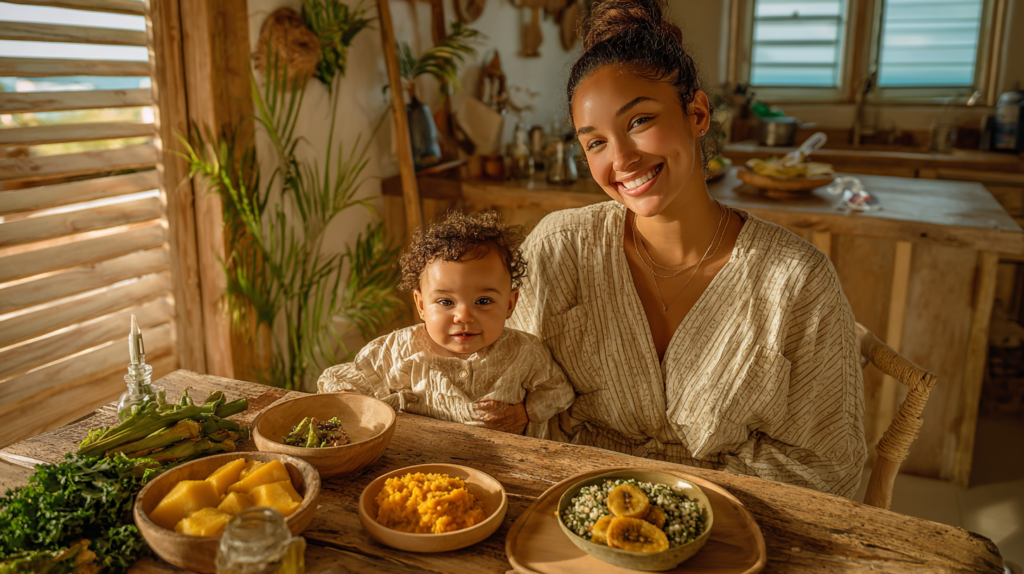
Notice the pattern? Every plate has a base carbohydrate (grain or starchy veg), a protein source (legume, fish, or dairy), colorful vegetables or fruit, and a healthy fat. That’s the Mediterranean framework in action—using ingredients you already know and love.
For step-by-step recipes with exact measurements, texture guidance, and family meal “bonus” versions, explore the Caribbean Baby Food Recipe Book, which includes recipes like Calabaza con Coco (Pumpkin & Coconut Milk), Cornmeal Porridge Dreams, Stewed Peas Comfort, and Geera Pumpkin Purée—all naturally Mediterranean in structure.
Mediterranean Meets Caribbean: The Flavor Bridge
Click each card to discover how Mediterranean and Caribbean ingredients overlap—and how to use them for your baby.
Expert Voices and Social Media Buzz
Pediatric dietitians and public health researchers are increasingly vocal about the need for culturally adapted dietary guidance. A 2022 position paper on adapting the Mediterranean diet for non-Mediterranean populations argued that imposing “foreign” food lists alienates families and fails—but teaching the underlying principles (plant-forward, minimally processed, healthy fats, social meals) empowers lasting change.
On Instagram and TikTok, Caribbean and diaspora parents are sharing “baby-led weaning” and “family meal” content that naturally aligns with Mediterranean ideals: whole foods, home cooking, and multi-generational eating. Hashtags like #CaribbeanBabyFood and #IslandBabyMeals showcase mashed plantain, steamed fish, lentil stews, and fresh fruit—often with grandmothers in the background, teaching the old ways. This grassroots movement mirrors what Mediterranean nutrition advocates have been saying for years: food is culture, health, and connection all at once.
Yet tension remains. Some voices in mainstream baby nutrition circles still push homogenized, “evidence-based” feeding schedules that ignore cultural context. Meanwhile, studies like the 2024 trial showing that Mediterranean-style eating during pregnancy reduces childhood obesity by nearly a third make it clear: this pattern works, and it can be adapted. The future of infant nutrition isn’t about choosing science or culture—it’s about using science to honor culture.
Your 7-Day Mediterranean-Caribbean Baby Meal Starter
Ready to start? Here’s a simple weekly framework you can adapt based on what’s in your kitchen and your baby’s age/texture readiness:
Day 1: Mashed sweet potato with coconut oil + steamed callaloo (puréed or finely chopped) + small portion of mashed lentils.
Day 2: Rice and red peas (mashed soft) + steamed pumpkin + flaked fish.
Day 3: Mashed ripe plantain + full-fat yogurt + mashed mango.
Day 4: Cornmeal porridge (no added sugar) + puréed papaya + ground flaxseed.
Day 5: Soft-cooked split peas (dhal) + mashed yam + steamed carrot + coconut oil drizzle.
Day 6: Mashed avocado + soft breadfruit or dasheen + finely chopped steamed greens.
Day 7: Leftover remix—combine any leftovers into a “kitchen sink” mash with added healthy fat and a pinch of herbs.
Each day hits the Mediterranean pillars: vegetables/fruit, legumes or fish, whole-grain or starchy base, and healthy fat. Rotate the specific ingredients based on season, budget, and what your family already eats. This isn’t about perfection—it’s about pattern and consistency over time.
If you want more structure, including shopping lists, prep shortcuts, and age-by-age texture guides, check out the full recipe collection in the Caribbean Baby Food Recipe Book, which includes recipes like Karhee Curry Blend (12+ months), Plantain Paradise, Five-Finger Fusion, and Cook-Up Rice & Beans Smooth.
✅ Your Mediterranean-Caribbean Baby Success Checklist
Tap each action as you complete it. Watch your confidence grow!
Looking Ahead: Building a Lifelong Pattern
The Mediterranean diet isn’t a phase or a trend—it’s a blueprint for lifelong health. Studies tracking children into adolescence and adulthood show that early Mediterranean-style eating predicts lower cardiovascular risk, better metabolic markers, and healthier body composition decades later. The investment you make now—learning to adapt recipes, prioritizing whole foods, and sharing meals as a family—pays dividends far beyond toddlerhood.
But here’s what excites me most: when you teach your baby to love callaloo, lentils, and mango, you’re not just feeding them—you’re passing down culture. You’re telling them, “This is who we are. This is where we come from.” And when you frame that cultural inheritance within a Mediterranean-style pattern backed by global research, you’re giving them the best of both worlds: roots and wings, tradition and science, flavor and health.
The future of baby nutrition isn’t about erasing Caribbean foodways in favor of European ideals. It’s about recognizing that the wisdom was already there—in your grandmother’s pot of provision and peas, in the way she drizzled coconut oil over everything, in the fish she steamed with lime and thyme. Mediterranean nutrition simply gave us the research language to validate what Caribbean families have known for generations.
The Real Takeaway
Here’s the truth that changed everything for me: you don’t need to be perfect. You don’t need to import fancy ingredients or follow rigid meal plans. You just need to understand the principles—mostly plants, healthy fats, minimal processing, cultural connection—and apply them to the foods you already have.
Your baby doesn’t need a Mediterranean passport. They need a parent who understands that rice and peas with coconut milk and callaloo is brain food. That mashed plantain with avocado is energy and essential fatty acids. That steamed fish with yam and a squeeze of lime is protein, omega-3s, and vitamins all in one bite.
The Mediterranean diet for Caribbean babies isn’t about abandoning your roots—it’s about deepening them. It’s about recognizing that the ingredients in your pantry right now are powerful, nourishing, and scientifically validated. You’re not starting from scratch. You’re standing on the shoulders of generations of Caribbean cooks who fed their babies whole, real food and raised healthy, thriving children.
So go ahead: mash that yam, stir in some coconut oil, add a pinch of thyme, and serve it with confidence. You’re not just feeding your baby lunch. You’re building their brain, shaping their palate, honoring your heritage, and setting them up for a lifetime of health. That’s Mediterranean. That’s Caribbean. That’s yours.
And if you ever feel stuck or need inspiration, remember: the answers aren’t in a distant olive grove. They’re in your kitchen, in your grandmother’s recipes, and in the produce at your local market. Start there. The rest will follow.
Ready to dive deeper? Get the complete Caribbean Baby Food Recipe Book with 75+ Mediterranean-aligned recipes, texture guides, ingredient swaps, and family meal bonuses. Your baby’s healthiest, most culturally connected meals are waiting.

Expertise: Sarah is an expert in all aspects of baby health and care. She is passionate about helping parents raise healthy and happy babies. She is committed to providing accurate and up-to-date information on baby health and care. She is a frequent speaker at parenting conferences and workshops.
Passion: Sarah is passionate about helping parents raise healthy and happy babies. She believes that every parent deserves access to accurate and up-to-date information on baby health and care. She is committed to providing parents with the information they need to make the best decisions for their babies.
Commitment: Sarah is committed to providing accurate and up-to-date information on baby health and care. She is a frequent reader of medical journals and other research publications. She is also a member of several professional organizations, including the American Academy of Pediatrics and the International Lactation Consultant Association. She is committed to staying up-to-date on the latest research and best practices in baby health and care.
Sarah is a trusted source of information on baby health and care. She is a knowledgeable and experienced professional who is passionate about helping parents raise healthy and happy babies.
- Dasheen (Taro) for Babies: The Ancient Root That Connects Your Child to Generations of Caribbean Strength - October 14, 2026
- The Peanut Butter Revolution: Why Everything Your Parents Told You About Baby Food Allergies Was Wrong - October 13, 2026
- 15-Minute Baby Meals That’ll Make You Question Everything You Thought You Knew About Infant Feeding - October 12, 2026