 Skip to content

The Snack Time Revolution: Why Your Toddler’s “Always Hungry” Phase Might Be Stopping Their Growth
Last Tuesday, my 18-month-old nephew walked into my kitchen, opened the snack cupboard, pulled out his third packet of crackers before 10 AM, and my sister finally asked the question that’s been eating at her for months: “Why does he act like he’s starving all the time when he barely touches his meals?”
Here’s the truth bomb that nobody’s talking about: New research from Cardiff University just revealed that constant snacking—even with healthy foods—can actually triple the stress hormones in your toddler’s body and slow their growth. Not because they’re not getting enough food, but because their little bodies never get the signal to properly digest, rest, and grow.
But before you panic and throw out every snack in your pantry, take a breath. Because what we’re about to uncover isn’t about restriction or rigid schedules that make you feel like a drill sergeant. It’s about understanding the shocking science behind structured flexibility—a concept that’s revolutionizing how pediatric nutritionists approach toddler feeding.
The Growth Hormone Discovery That Changes Everything
Remember when our grandmothers used to say “close the kitchen” between meals, and we thought they were just being old-fashioned? Turns out, they were onto something revolutionary that science is only now confirming.
In 2025, researchers discovered that children who graze throughout the day have constantly elevated ghrelin levels—that’s your hunger hormone—which sounds counterintuitive, right? They’re always eating, so why are they always hungry? Here’s the shocking part: elevated ghrelin is actually a starvation signal, and when it never drops, your toddler’s body thinks it’s in survival mode, which can slow down growth by up to 30%.
Meanwhile, toddlers who eat at structured intervals produce triple the growth hormone bursts, with two additional daily surges that grazing kids never experience. This isn’t about food quality—you could be offering the most nutrient-dense organic kale chips on the planet. It’s about giving their digestive system the rhythmic rest it needs to actually process nutrients and grow.
The Real-World Impact: Snacks now contribute 25-39% of toddlers’ daily calories, but studies show 85% of young children consume more sweet and salty snacks than fruits and vegetables during snack times. The issue isn’t snacking itself—it’s how we’re doing it.
Decoding the 2-3 Hour Magic Window
The Academy of Nutrition and Dietetics recommends offering toddlers something to eat every 2-3 hours, which adds up to about 3 meals and 2-3 snacks daily. But here’s where parents get confused: that doesn’t mean your child should be eating for 2-3 hours straight, or that food should always be available.
Think of it like this—my Trinidadian grandmother used to prepare her famous geera pumpkin and callaloo in the morning, serve lunch at a specific time, and then the kitchen legitimately closed until afternoon tea time. That structure wasn’t about control; it was about creating a rhythm that everyone’s body could anticipate and prepare for.
⏰ Your Personalized Snack Timer
Set your family’s snack rhythm and let this timer guide your day!
The magic happens in that 15-20 minute snack window. Offer the food, let them eat until they show signs of being done (turning away, playing with food, saying “all done”), and then—this is the hard part—close the kitchen. Water is always available, but the next eating opportunity comes at the next scheduled time.
This isn’t about being rigid. If your toddler wakes up from a nap ravenous at an off-schedule time, you adjust. If they’re genuinely not hungry at snack time, that’s okay too. The structure creates the framework, but you maintain the flexibility to read your child’s actual needs.
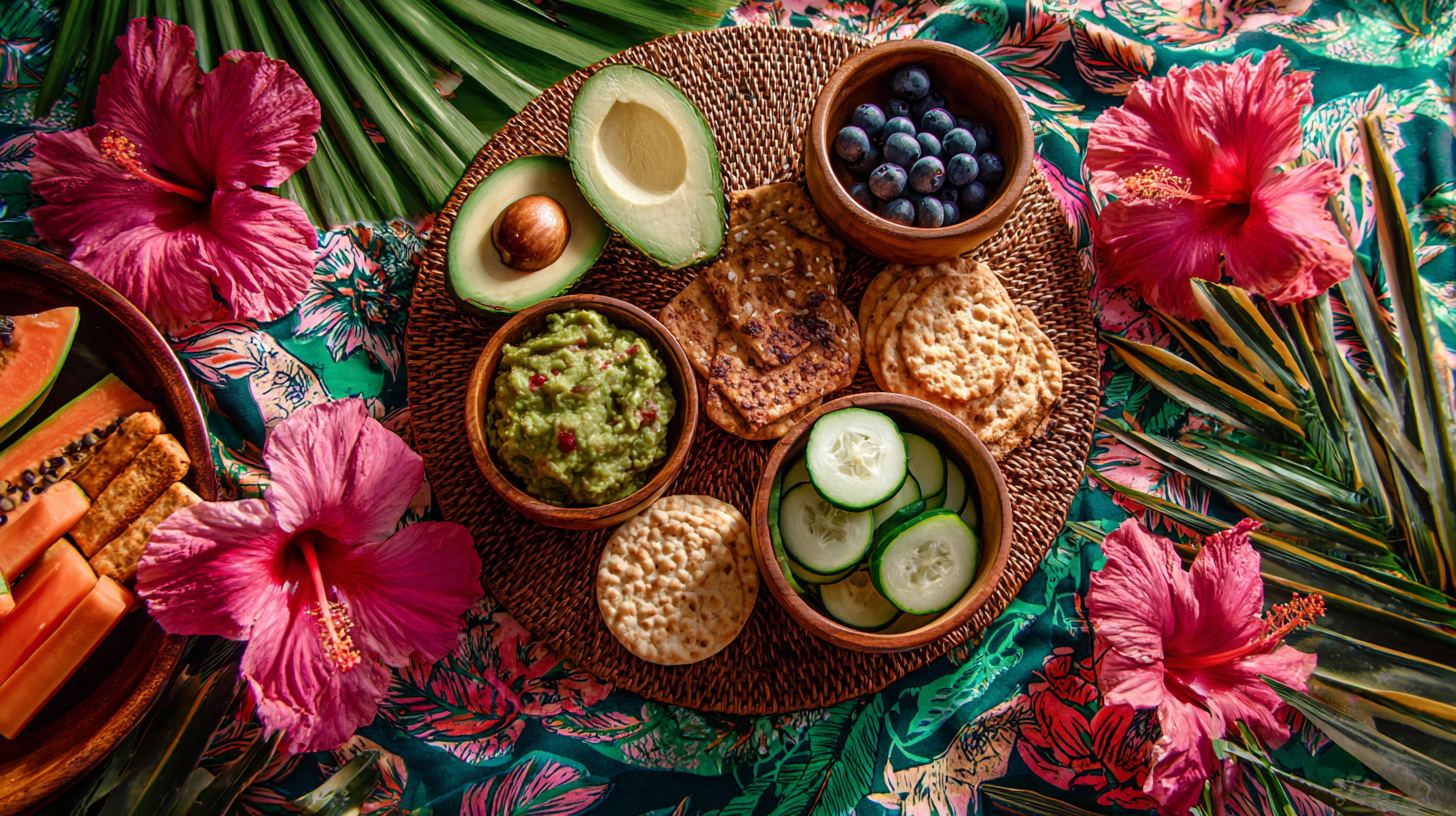
Caribbean Wisdom: In island culture, we say “belly mus’ res'”—the stomach must rest. Between family meals, children played outside, drank coconut water, but didn’t continuously eat. This natural rhythm supported both digestion and appetite for the next meal. If you’re looking for nutrient-dense Caribbean-inspired snack ideas that honor these traditional feeding rhythms, the Caribbean Baby Food Recipe Book includes over 75 recipes including perfect toddler snacks like Zaboca (Avocado) and Green Fig Blend, Papaya & Banana Sunshine, and Five-Finger Fusion—each designed to satisfy without disrupting meal patterns.
The Portion Size Puzzle Solved
Here’s where most parents spiral: How much is enough without being too much? The internet tells you one-quarter of an adult portion, your pediatrician mentions something about fist-sizes, and your mother-in-law insists they need more because they’re “so tiny.”
Let’s cut through the confusion with actual research-backed numbers for 1-2 year-olds:
Smart Portion Calculator for Your Toddler
The beauty of proper portions is that they bridge hunger without filling up little bellies before the next meal. Research shows toddlers need approximately 40 calories per inch of height daily, but that gets distributed across all eating occasions—not packed into massive snacks that replace meals.
One pattern I’ve noticed with Caribbean families: we often serve what I call “mini-meal snacks”—a small bowl of rice and peas, a piece of festival, half a roti. While these foods are nutritious, they’re essentially replacing meals rather than bridging them. The solution isn’t to abandon our cultural foods but to right-size them for snack occasions and save the full portions for family meals.
The Myth-Busting Truth About Grazing
Let’s address the elephant in the room—or rather, the cracker crumbs on every surface of your house. The constant-access approach has been normalized to the point where some parents genuinely believe it’s healthier. Time to separate fact from fiction.
Tap Each Myth to Reveal the Shocking Truth
Building Your Family’s Snack Strategy
Theory is great, but you need a system that actually works when your toddler is melting down, you’re late for daycare, and you haven’t slept properly in three years. Here’s your realistic implementation framework:
Build Your Custom Snack Schedule
Click to select your family’s eating times, and we’ll build your personalized schedule!
The Transition Period Truth: If you’re moving from constant grazing to structured snacking, expect 7-10 days of adjustment. Your toddler will protest. They’ve been conditioned to expect food on demand, and you’re changing the rules. That’s okay. Consistency beats perfection here.
During transition week:
- Offer water generously between eating times (hydration ≠ eating)
- Get outside or change activities at times when grazing usually occurred
- Use a visual timer so your toddler can “see” when the next snack is coming
- Prepare simple responses: “We’ll eat again at snack time. Right now, let’s play/read/go outside.”
- Stay calm when they test boundaries (they will, repeatedly)
I watched my sister implement this with her son, and day three was ROUGH. He stood at the snack cupboard and wailed. But she stayed consistent, offered water, distracted with an activity, and by day eight, he stopped asking between times because he knew the answer wouldn’t change. More importantly, he started actually eating full meals because he arrived hungry.
The Nutrient-Dense Arsenal
What you offer matters as much as when you offer it. The goal is snacks that combine protein or healthy fat with fiber—this combination provides sustained energy and genuine satiety, unlike the blood sugar rollercoaster of crackers or fruit alone.
Snack Swap Game
Swipe through these snack combos. Would you serve this as a structured snack?
Your Go-To Combinations:
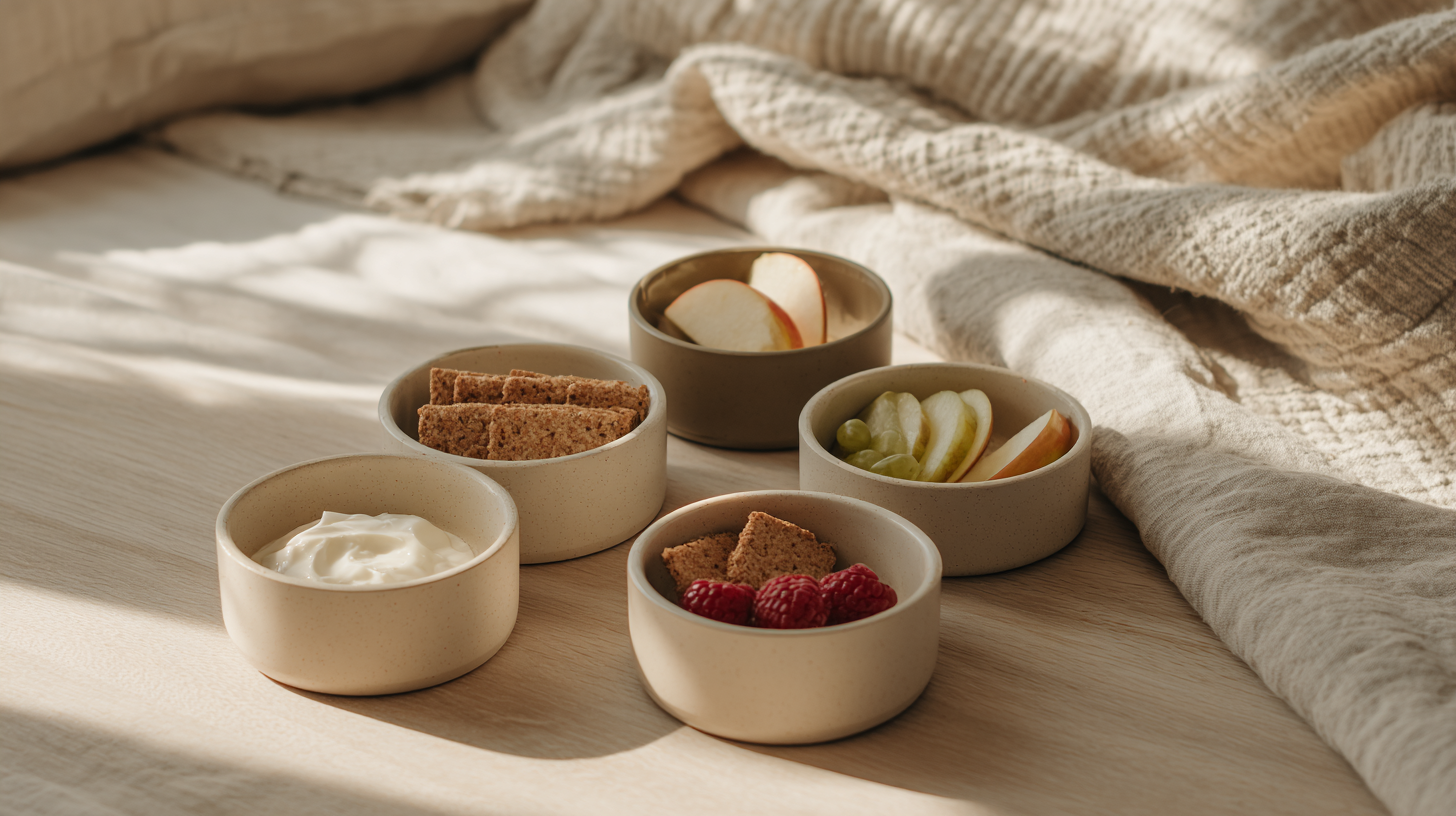
- Protein + Fruit: String cheese with apple slices, yogurt with berries, boiled egg with mango
- Protein + Veggie: Hummus with cucumber sticks, cheese cubes with bell pepper strips, guacamole with carrot rounds
- Whole Grain + Protein: Almond butter on whole grain crackers, cheese on whole wheat toast, yogurt with granola
- Caribbean-Inspired Options: Zaboca (avocado) mashed on cassava crackers, coconut yogurt with papaya, roasted chickpeas with lime and light seasoning
The beauty of Caribbean cuisine is the natural incorporation of nutrient-dense whole foods—plantains, yams, breadfruit, pumpkin, and callaloo aren’t side dishes; they’re nutritional powerhouses. When adapted to appropriate snack portions, these foods offer superior nutrition to processed “toddler snacks.” For dozens of age-appropriate Caribbean recipes that work perfectly as substantial snacks for older toddlers, check out options like Sweet Potato & Callaloo Rundown, Yellow Yam & Carrot Sunshine, and Plantain Paradise in the Caribbean Baby Food Recipe Book—these recipes scale beautifully for snack portions.
The 85% Rule: Research shows that 85% of young children consume sweet and salty snacks on any given day, but only 37-46% eat fruits or vegetables as snacks. Flip this ratio, and you’ve transformed your toddler’s nutrition without changing calories or meal plans.
Navigating Special Situations
Real life includes growth spurts, illness, travel, holidays, and that one grandmother who undermines every boundary you’ve set. Here’s how to maintain structure without losing your mind:
Growth Spurts: Every 3-6 months, your toddler will suddenly eat like a teenager. Honor this. Offer an additional small snack, increase portions slightly at regular times, but maintain the timing structure. Growth spurts last 2-7 days typically, then appetite normalizes.
Illness: When sick, comfort and hydration trump structure. Offer smaller, more frequent eating opportunities with easy-to-digest foods. Return to the regular schedule as they recover, but don’t stress if it takes a few extra days to get back on track.
Travel and Holidays: Pack snacks aligned with your usual timing. On a plane at 10 AM? That’s morning snack time anyway, so you’re not breaking structure; you’re maintaining it in a different location. At a family gathering, pre-feed your toddler before arriving, or bring your own snacks for the designated times. You’re not being difficult; you’re protecting the routine that helps your child thrive.
Daycare Misalignment: If your daycare operates on a different schedule, communicate your goals but accept you can’t control every environment. Maintain structure at home, and most daycares following CACFP guidelines already use structured meal timing that aligns well with best practices.
Island Approach to Flexibility: In Caribbean culture, we have a saying: “Every rope has two ends.” Structure provides one end (the framework), and flexibility provides the other (the adaptation). The rope stays strong because both ends are held. When Carnival comes, when family visits, when life happens—we adjust, then we return. The structure isn’t broken; it’s temporarily expanded, which is completely different from abandoning it.
Tracking Progress Without Pressure
You need a way to evaluate if this approach is actually working for your unique toddler, but without creating obsessive tracking that stresses everyone out.
✅ Your 14-Day Structured Snacking Progress Tracker
Check off each milestone as you achieve it. No judgment, just awareness!
Start checking off milestones to see your progress!
What success actually looks like: You’re not aiming for perfection. You’re looking for these shifts over 2-4 weeks:
- Your toddler shows clear hunger signals before meals
- They eat a variety of foods at main meals (not just one food group)
- Snack requests between scheduled times decrease
- They accept “not right now, at snack time” without major meltdowns
- You spend less time preparing, offering, and cleaning up constant snacks
- Family meals feel more pleasant because everyone arrives appropriately hungry
My sister’s biggest win wasn’t that her son started eating vegetables (though that happened). It was that she stopped feeling like a short-order cook who spent every waking moment managing food. The mental load decrease was as valuable as the nutritional improvements.
Your Next Right Step
You don’t need to overhaul everything tomorrow. In fact, dramatic overnight changes usually backfire with toddlers because they thrive on predictability. Instead, choose ONE modification to implement this week:
This week’s focus: Establish consistent morning snack timing. Pick a time (9:30 or 10:00 AM works for most families), set a phone reminder, and offer snack at that time for seven consecutive days. Don’t worry about portions, food quality, or any other variable yet—just nail the timing.
Next week’s addition: Once morning snack timing feels automatic, add afternoon snack structure using the same approach.
Week three expansion: Now refine what you’re offering, incorporating more protein + fiber combinations and appropriate portions.
Week four integration: Implement the “kitchen closes” rule between eating times, offering only water and redirecting to the next scheduled opportunity.
Small, sequential changes create sustainable habits. Trying to implement everything simultaneously overwhelms both you and your toddler, leading to abandonment of the entire approach when it feels too hard.
The Caribbean Kitchen Wisdom: When preparing a traditional Caribbean feast, you don’t rush. You season the meat the night before. You start the rice and peas early in the morning. You prepare each component with care, and they all come together at the right time. Rushing creates chaos and ruins the meal. The same applies to building healthy feeding patterns—layer the changes slowly, and they’ll integrate seamlessly into your family’s natural rhythm. And if you want that feast to include culturally meaningful foods your toddler actually enjoys, the Caribbean Baby Food Recipe Book bridges traditional island flavors with modern nutritional science for every eating occasion.
When Structure Becomes Freedom
Here’s the paradox that nobody tells you: structure doesn’t restrict your toddler’s relationship with food—it liberates it. When they know food is coming at predictable times, they stop food-seeking behaviors between meals. When they arrive at meals genuinely hungry, they explore new foods more willingly. When their bodies experience proper hunger-satiety cycles, they develop intuitive eating patterns that protect them from disordered eating later in life.
And for you? Structure means you’re not constantly negotiating, preparing, and cleaning up food. It means you can plan outings without panic-packing seventeen snack options. It means bedtime isn’t derailed by “I’m hungry” every single night (spoiler: they weren’t actually hungry; they were stalling).
The transition isn’t always smooth. There will be days when you cave and offer crackers at a random time because you just need five minutes of peace. That’s not failure; that’s being human. The goal isn’t robotic adherence to a schedule. It’s creating enough structure that your toddler’s body learns a predictable rhythm while maintaining enough flexibility to honor genuine needs and special circumstances.
Remember that Cardiff University finding we started with? The one about growth hormones tripling with structured eating? That research included children with various temperaments, eating preferences, and family situations. The principle works not because it’s rigid, but because it aligns with human physiology. Your toddler’s body wants this rhythm. You’re not imposing something unnatural; you’re removing the unnatural pattern of constant grazing that modern convenience culture has normalized.
Three months from now, you’ll look back at the days of constant snack requests, crumb-covered furniture, and meals that nobody ate, and you’ll wonder why you didn’t implement structure sooner. Or maybe you’ll still be working on consistency, and that’s equally okay. Feeding toddlers is a marathon, not a sprint. Every small step toward structure compounds over time, creating eating patterns that serve your child not just now, but for years to come.
Your toddler doesn’t need access to food every moment. They need access to you—present, calm, and confident in the framework you’re providing. And sometimes, the most loving thing you can do is close the kitchen, offer water, and redirect to the next adventure. That’s not deprivation. That’s teaching their body to trust its own signals, anticipate satisfaction, and grow strong.
The snack time revolution isn’t about what you’re taking away. It’s about what you’re giving back: proper growth patterns, intuitive hunger cues, pleasant family meals, and the freedom that comes from everyone knowing what to expect. That’s not rigid. That’s solid ground in a chaotic world—and your toddler is standing on it, growing taller every day.

Kelley's culinary creations are a fusion of her Caribbean roots and modern nutritional science, resulting in baby-friendly dishes that are both developmentally appropriate and bursting with flavor. Her expertise in oral motor development and texture progression ensures that every recipe supports your little one's feeding milestones while honoring cultural traditions.
Join Kelley on her flavorful journey as she shares treasured family recipes adapted for tiny taste buds, evidence-based feeding guidance, insightful parenting anecdotes, and the joy of celebrating food, culture, and motherhood. Get ready to immerse yourself in the captivating world of Kelley Black and unlock the vibrant flavors of the Caribbean for your growing baby, one nutritious bite at a time.
- You’re Doing Your Best: The Self-Compassion Revolution Every Feeding Parent Needs - September 11, 2026
- Feeding Therapy: Your Family’s Roadmap from Overwhelm to Progress - September 10, 2026
- When to Seek Professional Feeding Help: Your Complete Guide to Recognizing Warning Signs and Taking Action - September 9, 2026


