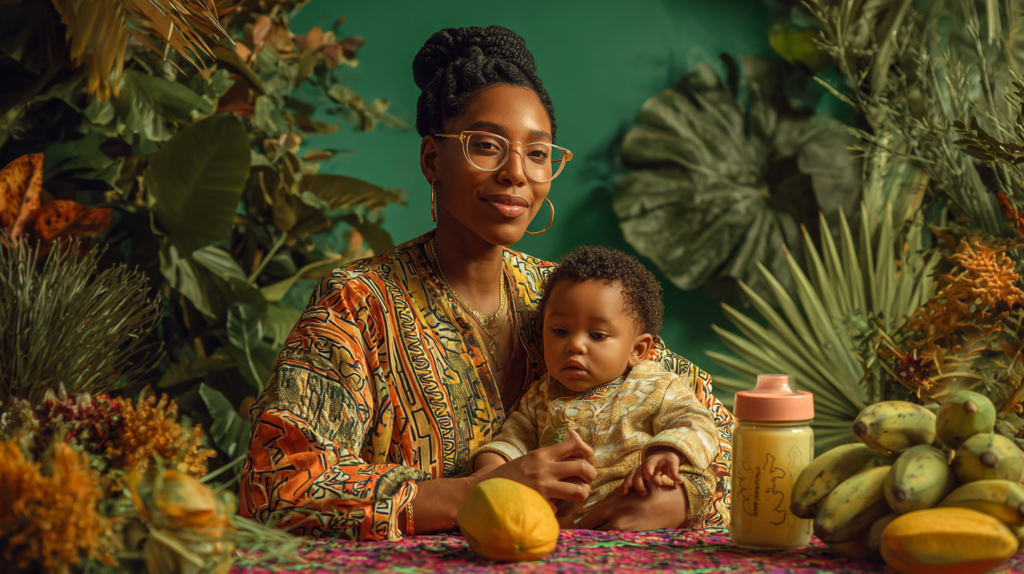
Gen Z Parents Are Rewriting Every Baby Feeding Rule (And Your Grandma Might Not Approve)
Here’s something wild: 79% of Gen Z mothers report experiencing anxiety about parenting. Yet somehow, this same generation is ditching the feeding rulebooks that stressed out their own mothers and creating something entirely different—a feeding revolution built on flexibility, not fear.
And the shocking truth? They’re not compromising. They’re actually onto something that decades of rigid “breast is best” campaigns missed entirely: when parents prioritize mental health alongside nutrition, babies and families thrive. This isn’t about lowering standards—it’s about raising the conversation.
But here’s where it gets really interesting. While previous generations fought bitter “mommy wars” over breast versus bottle, Gen Z parents are casually posting about combination feeding, baby-led weaning with plantains, and using formula without apology. They’re scrolling TikTok for feeding tips at 3 AM, crowd-sourcing solutions from strangers across the globe, and somehow—despite what the critics say—their babies are doing just fine. Better than fine, actually.
The question isn’t whether this generational shift is happening. It’s already here. The real question is: what took us so long?
Reveal Your Feeding Mindset
Which statement resonates most with your approach to baby feeding?
The Feeding Wars Are Over (Gen Z Just Didn’t Show Up)
Remember when choosing between breast and bottle felt like picking a side in a cultural war? Gen Z parents walked onto that battlefield, looked around, and said “nah, we’re good”—then left to make a TikTok about responsive feeding instead.
This isn’t rebellion. It’s exhaustion with a system that never served families in the first place. Research shows that 15% of mothers feel guilty about formula supplementation, 38% report stigma, and 55% feel pressured to defend their feeding choices. Gen Z took one look at those numbers and decided the whole conversation needed an upgrade.
Here’s what’s actually happening: instead of “breast is best” versus “fed is best,” Gen Z parents are asking better questions. Does this feeding approach support my mental health? Can I sustain this without burning out? Is my baby thriving? And perhaps most radically—am I allowed to change my mind?
The answer to that last one, by the way, is yes. Always yes. And that simple permission—to be human, to be flexible, to prioritize the whole family’s wellbeing—is what makes this generation’s approach so revolutionary. They’re not fighting wars. They’re building something new entirely.
Take Sarah’s story, for example. When her son was in the NICU, she used formula in those early fragile days. That early supplementation didn’t sabotage her breastfeeding goals—it became the bridge that allowed her to eventually establish a feeding routine that worked. For her family, formula wasn’t the enemy. It was a tool. And that mindset shift? That’s pure Gen Z energy.

Social Media: The Double-Edged Machete
Let’s talk about the elephant in the room—or more accurately, the phone in every parent’s hand at 2 AM during a feeding session. Social media isn’t just influencing Gen Z parents; it’s fundamentally reshaping how feeding knowledge gets passed down.
Here’s the data that’ll blow your mind: 85% of Gen Z says social media impacts their purchase decisions. On TikTok and Instagram alone, #gentleparenting has over 1.1 million posts. These aren’t just pretty pictures—they’re the new village square where feeding wisdom gets shared, debated, and evolved in real-time.
But here’s the plot twist nobody saw coming: while previous generations got feeding advice exclusively from pediatricians and grandmothers (who often contradicted each other), Gen Z parents are accessing lactation consultants in Singapore, Caribbean feeding traditions, and evidence-based research—all before their morning coffee. They’re mixing Jamaican callaloo with baby-led weaning principles, creating fusion approaches their ancestors never imagined.
The downside? Information overload can spiral into anxiety. The culture of “mom-shaming” thrives in comment sections. Every feeding choice becomes performative, documented, and subject to judgment from strangers who’ll never change a single diaper.
Yet somehow, Gen Z parents are navigating this with surprising wisdom. They’re curating their feeds, unfollowing accounts that trigger guilt, and building online communities that actually support rather than shame. They’ve figured out something crucial: social media is a tool, not a manual. And like any tool, it works best when you control it—not the other way around.
Evidence-Based Doesn’t Mean Rule-Based
Here’s where Gen Z parents are doing something genuinely brilliant: they’re hungry for evidence, but they’re not treating research like religion. They understand that “evidence-based” and “dogmatic” aren’t the same thing—and that distinction changes everything.
The 2020-2025 Dietary Guidelines recommend responsive feeding—encouraging parents to become attuned to babies’ hunger and satiety cues rather than following rigid schedules. Gen Z parents read that and thought “finally, permission to trust our babies.” They’re teaching six-month-olds hand signs for “more” and “all done” before they can even talk. They’re honoring that head turn that means “I’m finished” rather than pushing one more spoonful.
But here’s what makes their approach revolutionary: they’re applying that same flexibility to feeding methods themselves. Baby-led weaning? Sure, but modified with soft-cooked plantains and dasheen when the baby needs it. Exclusive breastfeeding? Wonderful, until mental health starts suffering—then formula becomes part of the equation without guilt.
This generation watched their mothers struggle under impossible standards. They saw the anxiety, the burnout, the shame spirals when breastfeeding didn’t work perfectly. And they said “we’re doing this differently.” Not by ignoring evidence—but by remembering that parents and babies are humans, not data points.
Dr. Sheth, a pediatrician working with millennial and Gen Z parents, notes something fascinating: these parents aren’t waiting for problems to appear. They’re proactively asking about nutrition, probiotics, mental health, and emotional development. They’re treating evidence as a starting point for conversation, not an ending point for judgment. And that shift? That’s how you actually improve outcomes.
When you’re ready to put these evidence-based principles into practice with real Caribbean ingredients your baby will love, the Caribbean Baby Food Recipe Book offers over 75 recipes that honor both nutrition science and cultural traditions—from callaloo blends to plantain-based meals that make responsive feeding delicious.

Calculate Your Feeding Pressure Score
How much external pressure influences your feeding decisions?
Mental Health Isn’t a Compromise—It’s a Prerequisite
Here’s the truth bomb that Gen Z parents are dropping: a fed baby with a mentally healthy parent will always outperform a perfectly-fed baby with a burned-out, anxious caregiver. Always. And they’re not apologizing for that math.
The statistics are sobering. Sixty-eight percent of mothers experience anxiety, with 35% reporting moderate to severe levels. Among Gen Z mothers specifically, those numbers climb to 79% experiencing anxiety and 45% at moderate to severe levels. These aren’t abstract statistics—they’re real parents trying to function on fractured sleep while managing impossible expectations.
And here’s what makes Gen Z’s approach so refreshing: they’re naming it. Out loud. On the internet. Without shame. They’re posting about switching to formula because exclusive breastfeeding was triggering postpartum depression. They’re sharing that their mental health medication is more important than breast milk exclusivity. They’re saying “the breastmilk benefits weren’t worth the cost—my baby got the antibodies but also got a mother riddled with depression.”
That level of honesty? That’s revolutionary. Because for decades, parents suffered in silence, believing that prioritizing their mental health meant failing their babies. Gen Z looked at that equation and realized it was backwards.
They understand something their predecessors didn’t: you can’t pour from an empty cup, and you definitely can’t feed a baby from a depleted, anxious soul. So when combination feeding means better sleep and lower anxiety, they’re choosing it without guilt. When hiring help means protecting their mental health, they’re doing it without shame. When setting boundaries with judgmental relatives means preserving their wellbeing, they’re drawing those lines firmly.
This isn’t selfishness. This is wisdom. And it’s about time parenting culture caught up.
️ Where Do You Fall on the Feeding Flexibility Spectrum?
Move the slider to see personalized insights about your feeding flexibility approach.
The Caribbean Twist Nobody Saw Coming
You know what’s fascinating about Gen Z’s feeding revolution? They’re not just accepting flexibility—they’re celebrating cultural fusion. And nowhere is that more delicious than in how they’re introducing their babies to Caribbean flavors while maintaining responsive, evidence-based approaches.
Traditional baby feeding advice said start with bland, colorless rice cereal. Gen Z Caribbean parents said “nah, mi baby a go taste dem roots from day one.” They’re introducing babies to callaloo blends, plantain mashes, and coconut milk—not despite modern feeding principles, but because of them. Variety matters. Flavor matters. Cultural connection matters.
The research backs this up, too. Introducing diverse flavors early (around 6+ months) helps prevent picky eating later. And when those flavors connect babies to their heritage? That’s not just nutrition—that’s identity formation happening one tiny spoonful at a time.
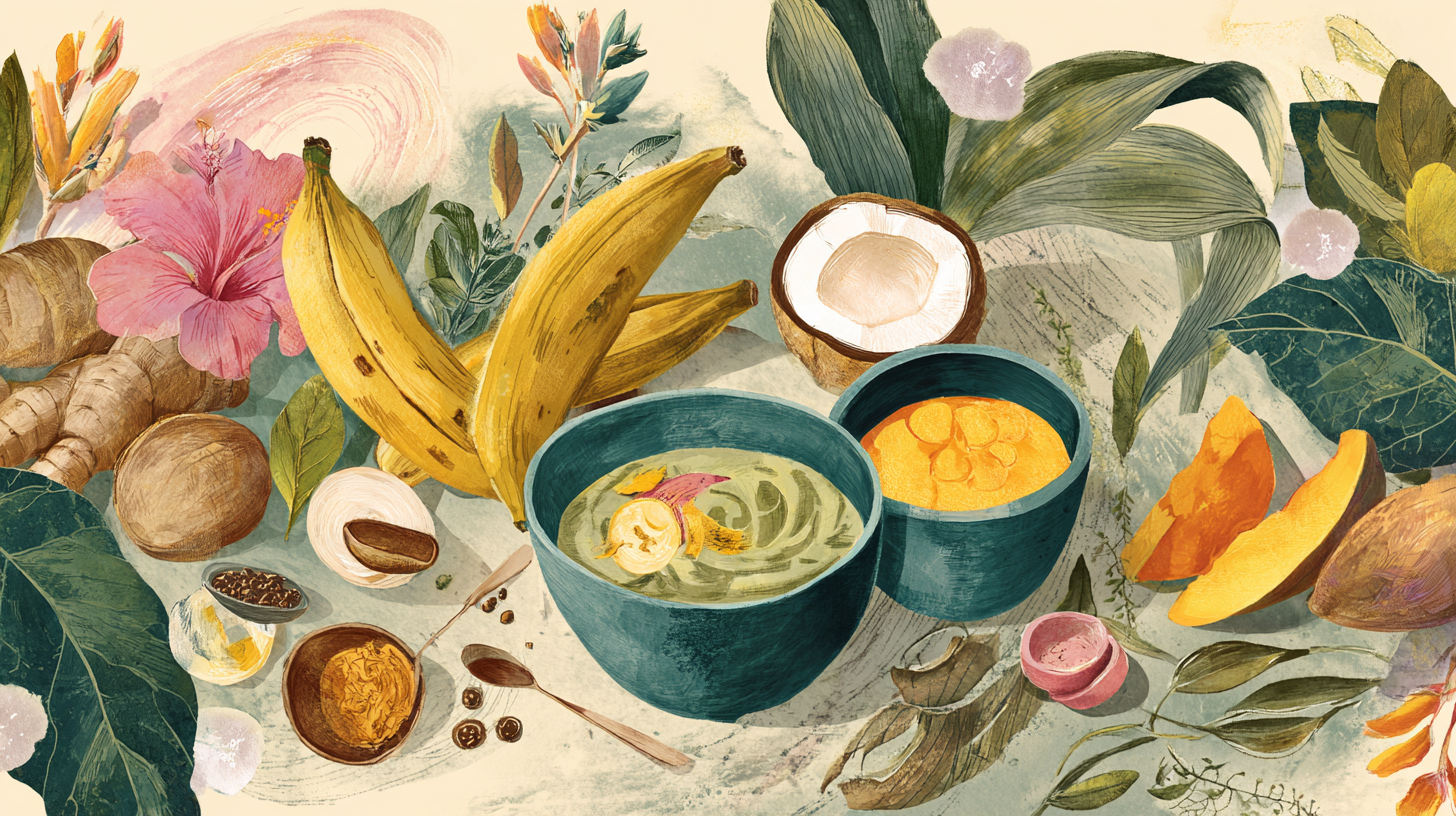
Here’s where it gets practical: Gen Z parents are adapting traditional Caribbean ingredients for baby-led weaning. They’re making age-appropriate versions of Jamaican yellow yam with carrots, Guyanese pholourie modified for tiny hands, Dominican mangú that babies can actually gum. They’re not choosing between cultural authenticity and feeding safety—they’re creating something new that honors both.
And when grandma says “we never mash up ackee for baby in my time,” Gen Z parents are responding with respect but also confidence: “I hear you, and I’m also choosing what works for my family.” That conversation—honoring tradition while creating new approaches—is happening at dinner tables across the Caribbean diaspora. It’s uncomfortable sometimes, sure. But it’s also necessary.
The beauty is that Caribbean cuisine is actually perfect for responsive feeding principles. The emphasis on fresh ingredients, natural flavors, and communal eating aligns beautifully with evidence-based approaches. When you introduce babies to dasheen, sweet potato, and pigeon peas, you’re not just feeding them—you’re connecting them to generations of wisdom while meeting modern nutritional guidelines.
For parents eager to blend Caribbean traditions with contemporary feeding approaches, recipes like Calabaza con Coco (pumpkin with coconut milk), Baigan Choka Smooth, or Sweet Potato & Callaloo Rundown offer the perfect starting point—all available in the Caribbean Baby Food Recipe Book, which includes detailed guidance for introducing these flavors safely at every stage.
The Stuff Nobody Wants to Admit
Let’s get uncomfortable for a minute, because Gen Z’s feeding revolution isn’t all positive disruption and Instagram-worthy moments. There are real challenges, actual controversies, and some genuinely difficult questions that don’t have easy answers.
First: the privilege problem. Baby-led weaning with fresh organic produce and diverse ingredients? That requires access and money. Time to respond to every feeding cue? That assumes flexibility that many working parents don’t have. The ability to prioritize mental health? That’s exponentially easier with adequate support systems and resources.
Research shows that mothers with higher education and income are more likely to adopt progressive feeding approaches. That’s not a coincidence—it’s a reflection of systemic inequalities that Gen Z rhetoric sometimes glosses over. When we celebrate “choosing what works for your family,” we need to acknowledge that not all families have the same range of choices.
Second: the information overload paradox. Yes, access to evidence and community is powerful. But when parents are drowning in conflicting advice from pediatricians, influencers, relatives, and research studies—all while sleep-deprived and anxious—that abundance of information becomes its own kind of prison. Sixty-eight percent of mothers report anxiety, and the constant second-guessing enabled by endless googling isn’t helping.
Third: the Division of Responsibility debate is getting messy. The framework that dietitians have recommended for decades—parents decide what and when, kids decide how much—is now being criticized as ableist, non-intuitive, and potentially harmful. Social media nutrition experts are weaponizing it, telling parents that if it’s not working, they’re “doing it wrong.” That’s the opposite of the flexibility Gen Z claims to champion.
And perhaps most challenging: the disconnect between ideals and reality. Gen Z parents talk about rejecting judgment and ending the mommy wars, yet comment sections remain brutal. They embrace flexibility in theory while still feeling crushing guilt when they deviate from their feeding plans. They value mental health but still internalize shame around formula supplementation.
The truth is, changing cultural narratives is harder than changing individual practices. Gen Z parents are pioneering new approaches while still living inside old systems—healthcare structures that don’t adequately support breastfeeding, workplaces with inadequate parental leave, family dynamics rooted in judgment rather than support. That’s exhausting. And sometimes, acknowledging that exhaustion is more honest than posting another inspirational caption about flexible feeding.
Mental Health in Feeding Reality Check
Check the statements that resonate with your current experience:
What Happens Next (Spoiler: It’s Complicated)
The future of baby feeding isn’t a straight line toward some utopian flexible feeding paradise. It’s going to be messy, complicated, and full of contradictions—just like parenting itself. But there are trends emerging that give us glimpses of what’s coming.
First, personalization is about to get intense. The infant food market is already moving toward AI-driven meal plans and stage-based nutrition customized to individual babies. By 2030, we’ll likely see apps that analyze your baby’s growth patterns, eating behaviors, and even genetic markers to recommend specific foods and feeding schedules. The baby food market is projected to hit $114.39 billion by 2030, and that growth is being driven by demand for precisely this kind of customization.
But here’s the question nobody’s asking: will hyper-personalization reduce parental anxiety or amplify it? When you can track every morsel, optimize every nutrient, and compare your baby’s intake to algorithmically-determined ideals—will that feel empowering or suffocating?
Second, mental health integration is coming—finally. Future feeding support will bundle lactation counseling with mental health services, recognizing that you can’t separate the two. Pediatrician visits will screen for parental wellbeing alongside baby development. Postpartum support inspired by traditions like cuarentena—that 40-day Caribbean and Latin American practice of dedicated rest and recovery—will gain mainstream acceptance beyond immigrant communities.
Third, the community support model is evolving. Virtual peer support groups are replacing (or supplementing) in-person villages that many modern parents lack. Online breastfeeding communities are helping families maintain feeding goals that might otherwise fail due to isolation. The challenge will be ensuring these digital communities remain supportive rather than judgmental—that they actually reduce rather than amplify the comparison culture.
Fourth—and this is huge—the organic baby food market is exploding. Valued at $5.2 billion in 2024, it’s projected to nearly double to $9.7 billion by 2034. Gen Z parents are voting with their wallets for transparency, sustainability, and quality. They want to know where ingredients come from, how they’re processed, and whether the companies align with their values. That’s going to reshape the entire industry.
Finally, Caribbean and global fusion feeding approaches will continue growing. As Gen Z parents embrace cultural pride alongside evidence-based practices, demand for resources that honor both will surge. Recipes that adapt traditional ingredients for modern feeding methods. Cookbooks that explain how to introduce babies to plantains, callaloo, and dasheen safely. Communities that celebrate rather than erase cultural feeding wisdom.
For families seeking this exact fusion—where Caribbean heritage meets responsive feeding science—the Caribbean Baby Food Recipe Book offers over 75 recipes spanning Jamaica, Trinidad, Guyana, Haiti, Cuba, Puerto Rico, and the Dominican Republic, complete with age-appropriate modifications and cultural context that makes introducing these flavors both safe and meaningful.
The future isn’t about perfection. It’s about progress. And if Gen Z has taught us anything, it’s that progress looks less like rigid rules and more like flexible, evidence-based, culturally-grounded approaches that prioritize whole-family wellbeing. That’s not compromise—that’s evolution.
Bridge the Generation Gap
Tap each card to see how Gen Z approaches differ from previous generations—and why both have wisdom to offer.
Feeding Methods
Traditional: Breast is best, formula is failure
Gen Z: Fed is best, combination feeding is valid, and mental health matters more than method perfection.
⏰ Feeding Schedules
Traditional: Strict schedules every 3-4 hours
Gen Z: Responsive feeding following baby’s cues, teaching babies to communicate hunger and fullness from the start.
First Foods
Traditional: Bland rice cereal, purees only
Gen Z: Baby-led weaning, diverse flavors early, cultural foods adapted for tiny hands and developing systems.
Information Sources
Traditional: Pediatricians, family elders, books
Gen Z: All of the above PLUS research studies, online communities, global perspectives, and social media experts.
Mental Health
Traditional: Suffer through it; motherhood requires sacrifice
Gen Z: Parent mental health directly impacts baby wellbeing; prioritizing yourself isn’t selfish—it’s necessary.
Support Systems
Traditional: Extended family, in-person village
Gen Z: Virtual communities, online peer support, professional services, and intentionally chosen support networks.
Tap any card to flip and reveal the Gen Z perspective
The Only Rule That Actually Matters
After all the data, debates, and TikTok trends, here’s what Gen Z parents are teaching us: there’s only one feeding rule that actually matters. Your baby needs to eat. You need to stay sane. Everything else is negotiable.
That sounds simple, but it’s revolutionary. Because for decades, feeding advice has centered on the method—breast or bottle, schedule or demand, purees or baby-led. Gen Z parents are asking a different question entirely: what approach allows both baby and parent to thrive?
Sometimes that means exclusive breastfeeding with Caribbean callaloo blends at six months. Sometimes it means combination feeding from day one so both parents can share nighttime duties and nobody descends into sleep-deprived anxiety. Sometimes it means formula and store-bought pouches because you’re working two jobs and doing your absolute best. All of those scenarios? They’re valid. They’re enough. They’re actually quite beautiful when you stop comparing them to some impossible standard.
The truth that Gen Z is living out loud: flexibility and mental health aren’t compromises on the path to perfect feeding. They’re prerequisites for successful feeding. A mentally healthy parent who’s confident in their choices—even if those choices look different than the “ideal”—will raise a healthier, happier baby than an anxious parent following rules that don’t fit their reality.
Does this mean evidence doesn’t matter? Of course not. Research should inform our choices. But it shouldn’t dictate them while ignoring context, culture, and human complexity. That’s the difference between being evidence-based and evidence-obsessed. Gen Z parents understand that distinction instinctively.
So here’s what this generation is really changing: they’re not just rewriting feeding rules. They’re redefining what successful feeding looks like. It’s not about perfection. It’s about connection, nourishment, and preserving the mental health of everyone at the table. Including the person doing the feeding.
And maybe, just maybe, that’s the approach that should have been there all along.
Because at the end of the day—or more accurately, at 3 AM when you’re exhausted and your baby is hungry and nothing feels Instagram-worthy—the only question that matters is: are we okay? Is my baby fed? Am I hanging in there? Is our bond intact?
If you can answer yes to those questions, you’re doing it right. No matter what method you’re using. No matter what the comments section says. No matter what your grandmother thinks you should be doing instead.
That’s not lowering standards. That’s raising consciousness. And Gen Z parents? They’re leading that revolution one flexible, evidence-informed, culturally-grounded, mentally-healthy feeding session at a time.
Your grandma might not approve. But your baby—fed, loved, and thriving—definitely does.
Ready to blend your cultural heritage with modern feeding practices?
The Caribbean Baby Food Recipe Book gives you 75+ recipes that honor both Caribbean traditions and evidence-based responsive feeding—from first purees featuring plantains and sweet potatoes to 12+ month meals like Pastelón and Ackee Adventure. Each recipe includes age-appropriate modifications, nutritional guidance, and family meal adaptations so everyone at your table can enjoy the same delicious flavors. Because feeding your baby shouldn’t mean choosing between your culture and contemporary nutrition science—it means celebrating both, one tiny spoonful at a time.

Kelley's culinary creations are a fusion of her Caribbean roots and modern nutritional science, resulting in baby-friendly dishes that are both developmentally appropriate and bursting with flavor. Her expertise in oral motor development and texture progression ensures that every recipe supports your little one's feeding milestones while honoring cultural traditions.
Join Kelley on her flavorful journey as she shares treasured family recipes adapted for tiny taste buds, evidence-based feeding guidance, insightful parenting anecdotes, and the joy of celebrating food, culture, and motherhood. Get ready to immerse yourself in the captivating world of Kelley Black and unlock the vibrant flavors of the Caribbean for your growing baby, one nutritious bite at a time.
- The Feeding Revolution: Why Your Everyday Meals Are Changing the World - October 13, 2026
- Your Feeding Story Matters More Than The “Perfect” One Online - October 12, 2026
- Looking Forward: Stepping Into Your Confident Feeding Future - October 11, 2026