Baby Nutrition Essentials: Fermented Foods for Tiny Tummies
One quiet evening, my son was gassy, fussy, and refusing the same old plain rice cereal he’d loved the week before. I remember standing in my little Caribbean-inspired kitchen, staring at a bowl of homemade plain porridge and thinking, “There has to be a gentler, smarter way to feed his tiny gut.” That moment sent me down the rabbit hole of fermented foods for babies—where tradition, science, and real-life parent chaos all collide in the most surprising way.
Fermented foods aren’t just trendy “gut health” buzzwords; they are some of the oldest baby-friendly foods in the world, from Indian curd and idli batter to Caribbean millet porridges and soured milk in Nordic countries. Carefully introduced at the right time and in the right form, they can support digestion, immunity, and nutrient absorption while teaching your baby to love complex, natural flavors instead of ultra-sweet, ultra-processed snacks.
In this deep-dive guide, you’ll learn exactly when to offer fermented foods, which ones are safest at each stage, what the latest research says about probiotics and baby immunity, and how to turn Caribbean pantry staples like pumpkin, plantain, coconut milk, and beans into gentle, microbiome-loving meals your baby will actually eat. We’ll also talk about the tricky parts: safety, sodium, allergies, and what not to ferment for infants.
What Exactly Are Fermented Foods for Babies?
Fermented foods are foods transformed by friendly microorganisms such as bacteria or yeast that “pre-digest” starches and sugars, changing both the flavor and nutrition profile. When done properly, fermentation can increase beneficial probiotic content, enhance certain vitamins, and make foods easier for small bellies to handle. For babies, that usually means mild, unsalted options like plain yogurt, cultured curd, simple fermented grain batters, and occasionally carefully prepared fermented beverages like watered-down kefir for older infants.
Across the globe, caregivers have long used these foods in weaning diets: in India, soft idli made from fermented rice and lentils; in parts of Africa, ogi or uji (fermented cereal porridges); and in many Caribbean homes, simple porridges that use soaked or lightly soured grains and coconut milk. Modern microbiome research now confirms what grandmothers quietly knew—that a little bit of the right fermented food can support digestion and resilience, especially once your baby starts exploring solids.
The key phrase there is “the right fermented food.” Not every sour or pickled product is baby-safe, and timing matters. Most pediatric bodies align on introducing solids, including fermented foods, from around six months when babies can sit with minimal support, show interest in food, and can handle textures beyond thin liquids. From that point, fermented foods become one more powerful tool in your nutrition toolkit rather than a magic cure-all.
- Many traditional baby-friendly ferments, like mild yogurts and simple grain-based porridges, are naturally lower in sugar and more nutrient-dense than a lot of modern “baby snacks” marketed as healthy.
- Fermentation can improve the bioavailability of key minerals such as iron and zinc in cereals and legumes, which is especially important after six months when babies’ natural stores of these nutrients start to decline.
- Research suggests that early exposure to a variety of microbes from safe foods, including fermented ones, may support immune tolerance and could be linked to lower rates of certain infections and allergies over time.
When you realize that tiny microbes can quietly work overnight to soften grains, mellow legumes, and introduce beneficial bacteria, it changes the way you look at that bowl of porridge or spoonful of curd. Instead of just calories, you start seeing each bite as a training session for your baby’s gut—one that could influence digestion, immunity, and even food preferences for years to come.
Why Fermented Foods Matter: Science in Simple Terms
Over the last few years, infant microbiome research has exploded. Scientists have mapped how different feeding styles—exclusive breastfeeding, formula feeding, and combinations of the two—shape the community of bacteria living in a baby’s gut. As solids enter the picture, foods rich in live cultures and fiber become powerful levers for building a more diverse and balanced microbiome, which is linked to lower rates of diarrhea and better overall immune function.
Studies comparing infants who consume fermented milk products, like certain yogurts, with those who do not, have found reduced episodes of diarrhea and improved stool patterns in the fermented group. These benefits appear to be particularly relevant in settings where infections or antibiotic use are common, but they also matter for everyday families simply trying to avoid cycles of constipation and tummy upsets. Parents often notice more regular stools and less gassiness once their baby tolerates a small amount of mild fermented dairy.
Fermentation also alters the nutrient profile of foods in a baby-friendly way. In grains and legumes, the process can reduce antinutrients like phytates, which bind minerals and make them harder to absorb. That means a fermented millet or rice porridge may deliver more accessible iron and zinc than its non-fermented twin. For babies in the Caribbean, where staple ingredients like pumpkin, sweet potato, beans, and plantain already provide a great nutritional base, adding occasional fermentation can gently upgrade those meals without dramatically changing flavor.
Tap the option you think is most important.
From a practical perspective, all of this science matters because it tells you that your everyday food choices count. When you choose a bowl of unsweetened yogurt mixed with mashed ripe banana over a sugary fruit pouch, you are not just cutting sugar—you are feeding living bacteria that help line and protect your baby’s gut. When you soak grains, or use a fermented batter for soft steamed cakes, you are quietly helping your baby access more of the minerals their fast-growing body needs.
When to Start: Age-by-Age Fermented Food Guide
The safest starting point for fermented foods is usually around six months, when your baby is developmentally ready for solids, can hold their head up, and can coordinate tongue and swallowing movements for thicker textures. Always check with your pediatrician if your baby was premature, has complex medical needs, or has a history of severe allergies, but the general guidelines below work well for most healthy infants.
Think of fermented foods as “micro portions that build micro resilience.” In the earliest stages, the goal is to offer a teaspoon or two of a mild fermented food mixed into familiar textures, not to replace breastmilk or formula. Over time, as your baby tolerates and enjoys these flavors, portions can expand and variety can increase. Small amounts matter; you do not need large servings to see digestive benefits.
- 6–8 months: Plain, unsweetened yogurt or homemade curd made from pasteurized milk, thinned with a little breastmilk, formula, or cooled boiled water; smooth porridges made from soaked or lightly fermented grains.
- 8–10 months: Soft steamed items made from fermented batter (like idli-style cakes), slightly thicker yogurt mixtures with mashed fruits such as banana or papaya, and occasional sips of watered-down kefir for some babies under professional guidance.
- 10–12 months: More texture: thicker curd with mashed pumpkin or sweet potato, fermented grain dishes with soft lumps, and small tastes of very mild, low-sodium fermented vegetables if cleared by your pediatrician.
- 12+ months: Wider exploration: more variety in fermented vegetables, sourdough-style breads, and family dishes adapted to be low in salt and spice, always watching for tolerance and sodium levels.
In my Caribbean home, one of our first fermented wins happened around seven months. I mixed a spoon of smooth homemade curd into mashed sweet potato and a touch of coconut milk. My son’s tummy, which had been unpredictable with plain cereal, suddenly settled into a calmer rhythm. That simple, tangy mash became a weekly rotation meal and a gentle introduction to both dairy and fermentation.
Which Fermented Foods Are Safest for Babies?
Not all fermented foods are created equal when it comes to infant nutrition. For babies, you want gentle, low-sodium, low-acid options without added sugar, alcohol, or intense spices. Focus first on dairy and grain-based ferments that are widely studied and traditionally used in infants, then branch out carefully as your baby grows and as you discuss new items with your pediatrician.
Safe starting options include plain yogurt or curd made from pasteurized milk, ideally with added infant-safe probiotic strains; simple fermented grain batters for soft steamed cakes or pancakes; and, in some older babies, watered-down kefir or fermented cereal drinks. Foods like kimchi, strong pickles, miso soups, and kombucha are generally not suitable for young infants due to salt content, potential contaminants, or alcohol residues from fermentation.
- Plain yogurt or curd (pasteurized): A staple first fermented food; mix into mashed banana, sweet potato, or pumpkin.
- Fermented grain porridges: Lightly fermented millet, rice, or corn porridges that are fully cooked before serving.
- Fermented batters: Soft steamed cakes like idli-style bites, made with fermented rice and lentils, for older babies comfortable with finger foods.
- Specialty products: Infant-specific yogurts or probiotic blends, chosen carefully to avoid added sugar and unnecessary flavors.
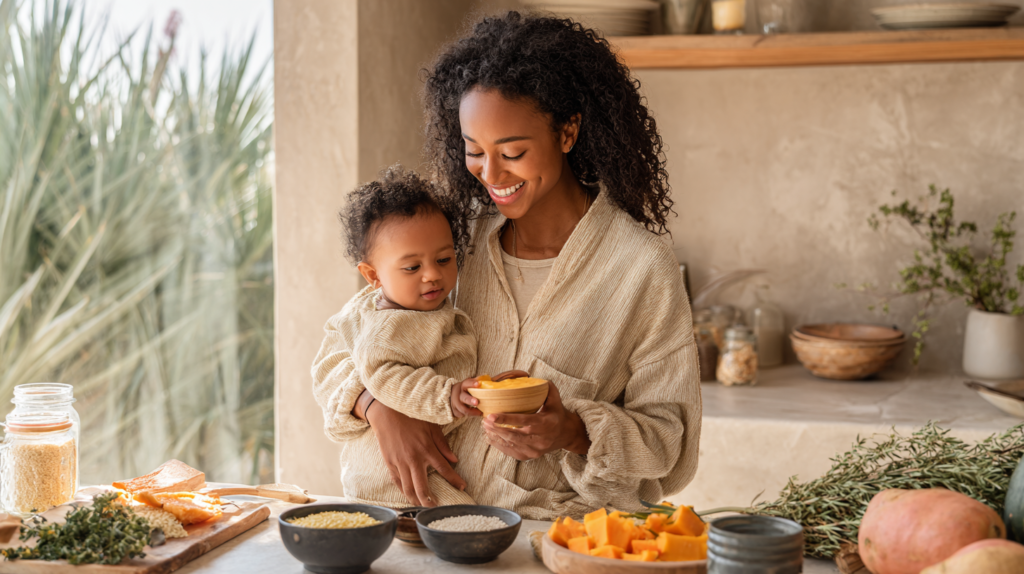
Caribbean-inspired baby meals adapt beautifully here. Imagine a silky pumpkin and coconut milk puree where the pumpkin has been cooked until soft and then cooled, with a spoon of plain yogurt stirred in at serving time for babies who tolerate dairy. Or a sweet plantain mash paired with a mild fermented millet cereal for a breakfast that is both comforting and microbiome-friendly. Many of the ingredients listed in the Caribbean recipe index—pumpkin, sweet potato, plantain, beans, millet, cornmeal, coconut milk—can form the base of baby meals that welcome gentle fermentation.
If you want step-by-step, Caribbean-inspired recipes that pair these fermented-friendly ingredients with age-appropriate textures, you’ll love the Caribbean Baby Food Recipe Book: Easy & Healthy Homemade Meals for Infants & Toddlers , which includes over 75 ideas using pumpkin, sweet potato, coconut milk, plantain, beans, and more.
Caribbean-Inspired Fermented-Friendly Meal Ideas
The Caribbean pantry was practically made for baby-friendly fermentation. You already have naturally sweet, nutrient-dense foods like batata (white sweet potato), calabaza (pumpkin), plantain, yams, coconut milk, and a rainbow of beans. By combining these staples with simple fermentation steps or probiotic-rich additions, you can build meals that carry both island flavors and modern nutrition science in the same tiny spoonful.
For younger babies, think “soft, smooth, and mellow.” Dishes like pumpkin and coconut milk mash, sweet potato callaloo puree, or cornmeal porridge can all be paired with a spoonful of plain yogurt at serving time to layer in probiotics. As babies approach eight to ten months and become more adventurous, you can experiment with soft finger foods such as pieces of steamed fermented batter “cakes” or thicker porridges with tiny, manageable lumps.
- Pumpkin coconut mash: Inspired by calabaza-with-coconut style dishes, this becomes baby-friendly when the pumpkin is cooked to softness, blended with coconut milk, and served with a spoon of plain yogurt stirred through for older infants who tolerate dairy.
- Sweet plantain breakfast bowl: A soft mash of ripe plantain, a drizzle of coconut milk, and a teaspoon of unsweetened yogurt, served lukewarm.
- Millet and cinnamon cereal: Drawing from sweet millet baby cereal ideas, you can soak the millet before cooking to reduce antinutrients, then simmer with water or coconut milk and top with yogurt or culture for older babies.
- Bean and rice smooth bowls: Soft, blended versions of rice-and-beans dishes, where the legumes have been soaked and thoroughly cooked, combined with plain yogurt on top for probiotic support.
As your baby grows into toddlerhood, some recipes from the Caribbean index, such as Amerindian millet porridges, cornmeal breakfast bowls, pumpkin coconut dishes, and gentle dhal-based purees, can evolve into family meals while still preserving that microbiome-friendly edge. Often, all you need to do is pull out your baby’s portion before adding salt, spices, and high-heat frying, and then stir in yogurt or a safe ferment to finish.
Many parents find it helpful to follow structured, age-tagged recipes while experimenting with these flavors. That’s exactly why the Caribbean Baby Food Recipe Book: Easy & Healthy Homemade Meals for Infants & Toddlers organizes recipes by month and ingredient, making it easier to plan fermented-friendly meals using pumpkin, plantain, millet, cornmeal, and more.
Expert Voices, Parent Instincts, and Social Media Noise
Open your favorite parenting app and you will see three camps: those who swear by probiotics and kefir for every sniffle, those who think fermented foods are “too risky” for babies, and those quietly spooning plain yogurt into mashed banana without posting a single photo. Between the hype and the fear, pediatric gastroenterologists and nutrition researchers generally land in a middle-ground: small amounts of safe, mild fermented foods can be beneficial for most babies after six months, as long as hygiene, age-appropriate texture, and overall diet balance are respected.
Infant nutrition professionals often highlight fermented dairy as the best-studied starting point, especially yogurts with specific infant-tested probiotic strains. They also emphasize that fermented foods should complement—not replace—breastmilk or formula and should fit into a broader pattern of nutrient-dense, minimally processed complementary feeding. That means plenty of iron-rich foods; colorful fruits and vegetables; whole grains; and appropriately prepared legumes alongside your chosen ferments.
On social media, trends like “baby-led weaning with probiotics” have pushed more parents to experiment with homemade ferments and fermented drinks. This can be positive when it encourages diversity of microbes and flavors, but it also increases the risk of unsafe recipes, high-sodium ferments, or beverages that are not appropriate for infants. Your best defense is a combination of professional guidance, evidence-based resources, and your own grounded parent instincts about what feels safe and sustainable for your family.
See if your instinct matches what many pediatric nutrition experts recommend.
Challenges, Risks, and Controversies (Read This Before You Ferment Everything)
For all their benefits, fermented foods come with real risks if they are chosen or prepared incorrectly. Infants have less mature immune systems, smaller kidneys, and a lower tolerance for salt and contaminants than adults do. That means that high-sodium ferments, unpasteurized dairy, and ferments that are not prepared under hygienic conditions can pose problems ranging from simple tummy upset to more serious infections.
One major concern is sodium. Many classic ferments—pickles, kimchi, cured fish, soy-based products—rely on salt for preservation and flavor. For babies, whose daily sodium limit is extremely low, these products can easily overshoot safe levels. That is why most pediatric nutrition experts steer families away from salty ferments and toward mild, unsalted or very low-salt options like plain yogurt and carefully prepared cereal or legume dishes.
Another issue is contamination. Home-fermented foods can be safe when prepared with clean tools, fresh ingredients, and proper fermentation times and temperatures, but incorrectly handled ferments can harbor harmful bacteria. For babies, who are more vulnerable to foodborne illness, shortcuts like reusing old brine, using visibly spoiled produce, or leaving ferments in very warm environments for too long can be risky. When in doubt, it is safer to discard questionable ferments than to “test” them on an infant.
Tap the concerns that matter most to you and see how they shape your next step.
There is also ongoing debate around the best way to deliver probiotics: as fermented foods, as supplements, or as fortified baby products. Supplements allow precise dosing of specific strains but may not bring the same variety and food-based benefits that whole ferments do. Fermented foods, on the other hand, deliver microbes within a complex matrix of proteins, fats, and fibers that can support their survival through digestion. The reality for most families is that a small, consistent amount of safe fermented foods, folded into a balanced diet, is both realistic and beneficial.
Finally, there is the question of equity and culture. Many commercial probiotic foods are expensive and heavily marketed to urban, higher-income families, while traditional ferments in Indian, African, Latin American, and Caribbean communities are often overlooked or dismissed as “old-fashioned.” In truth, these ancestral recipes—rice-and-bean porridges, millet cereals, pumpkin and coconut stews, softened plantain dishes—can form the backbone of an affordable, culturally rooted, and microbiome-supportive baby diet when adapted safely.
Future of Fermented Baby Nutrition
Looking ahead, fermented foods for babies are likely to become more personalized and more visible in mainstream baby aisles. As microbiome testing becomes cheaper, companies are already exploring the idea of tailoring probiotic blends or fermented foods to specific microbiome profiles, age groups, or health conditions. Parents may eventually be offered yogurts or porridges “matched” to their baby’s gut patterns, much like personalized nutrition services for adults.
At the same time, market analysts expect the global baby probiotics and fermented baby food category to steadily grow over the next decade, with new products like plant-based yogurts, grain-based probiotic pouches, and mixed meals that combine vegetables, legumes, and cultured dairy. This will bring more options for families whose babies are lactose intolerant or whose diets avoid certain animal products, as long as brands maintain strict safety and sodium standards.
On the home front, the future may actually look a lot like the past: more parents reviving traditional recipes, using simple fermentation steps, and combining them with modern food safety guidance. Whether it is a Caribbean sweet potato and callaloo mash, a millet and pumpkin porridge, or a gentle bean-and-rice bowl, the trend is moving back toward whole foods cooked at home—with a little microbial magic added.
Your Baby, Your Kitchen, Your Microbiome Legacy
When you stand in your kitchen with a spoon in one hand and a slightly skeptical baby in the highchair, it can be hard to believe that a tablespoon of yogurt or a softly fermented porridge could shape anything beyond tonight’s bedtime. But every tiny meal is a quiet vote for the kind of gut your child will grow—diverse and resilient, or under-fed and over-processed. Fermented foods, used wisely, are one of the simplest tools you have to tip that balance toward resilience.
From a Caribbean perspective, this is where food becomes memory. The same plantain that shows up at Sunday family lunch, the same pumpkin that flavors a pot of soup, can be gently transformed into baby bowls that carry the taste of home and the support of modern microbiome science. One day, your toddler will eat a spoonful of that familiar dish and you’ll be able to say, “You’ve been loving this since before you had words for it.”
If this feels like a lot, remember that you do not have to overhaul everything overnight. Start with one simple fermented food, pair it with a familiar Caribbean ingredient, watch how your baby responds, and build from there. Over weeks and months, those tiny steps add up to a calmer tummy, more adventurous taste buds, and a baby who grows up knowing that real food, not cartoon-branded snacks, is what comfort tastes like.
And if you’d like recipes that walk you through this journey, from first purees to shared family plates, including Caribbean-inspired porridges, mashes, and bowls that pair perfectly with fermented foods, explore the Caribbean Baby Food Recipe Book: Easy & Healthy Homemade Meals for Infants & Toddlers . It’s a simple way to turn the research you’ve just read into bowls, bites, and memories your baby will grow on.
Tap to shuffle your “fermented food mantra” for the week

Expertise: Sarah is an expert in all aspects of baby health and care. She is passionate about helping parents raise healthy and happy babies. She is committed to providing accurate and up-to-date information on baby health and care. She is a frequent speaker at parenting conferences and workshops.
Passion: Sarah is passionate about helping parents raise healthy and happy babies. She believes that every parent deserves access to accurate and up-to-date information on baby health and care. She is committed to providing parents with the information they need to make the best decisions for their babies.
Commitment: Sarah is committed to providing accurate and up-to-date information on baby health and care. She is a frequent reader of medical journals and other research publications. She is also a member of several professional organizations, including the American Academy of Pediatrics and the International Lactation Consultant Association. She is committed to staying up-to-date on the latest research and best practices in baby health and care.
Sarah is a trusted source of information on baby health and care. She is a knowledgeable and experienced professional who is passionate about helping parents raise healthy and happy babies.
- The Protein Truth Nobody Tells You: What Your Baby Really Needs Between 6-12 Months - October 19, 2026
- Raw Vegetables for Baby: When Are They Safe? - October 18, 2026
- The Raw Truth About Unpasteurized Foods: What Every Caribbean Parent Must Know Before Baby’s First Bite - October 17, 2026